
First Published: May 27, 2026 Last Update: September 3, 2026
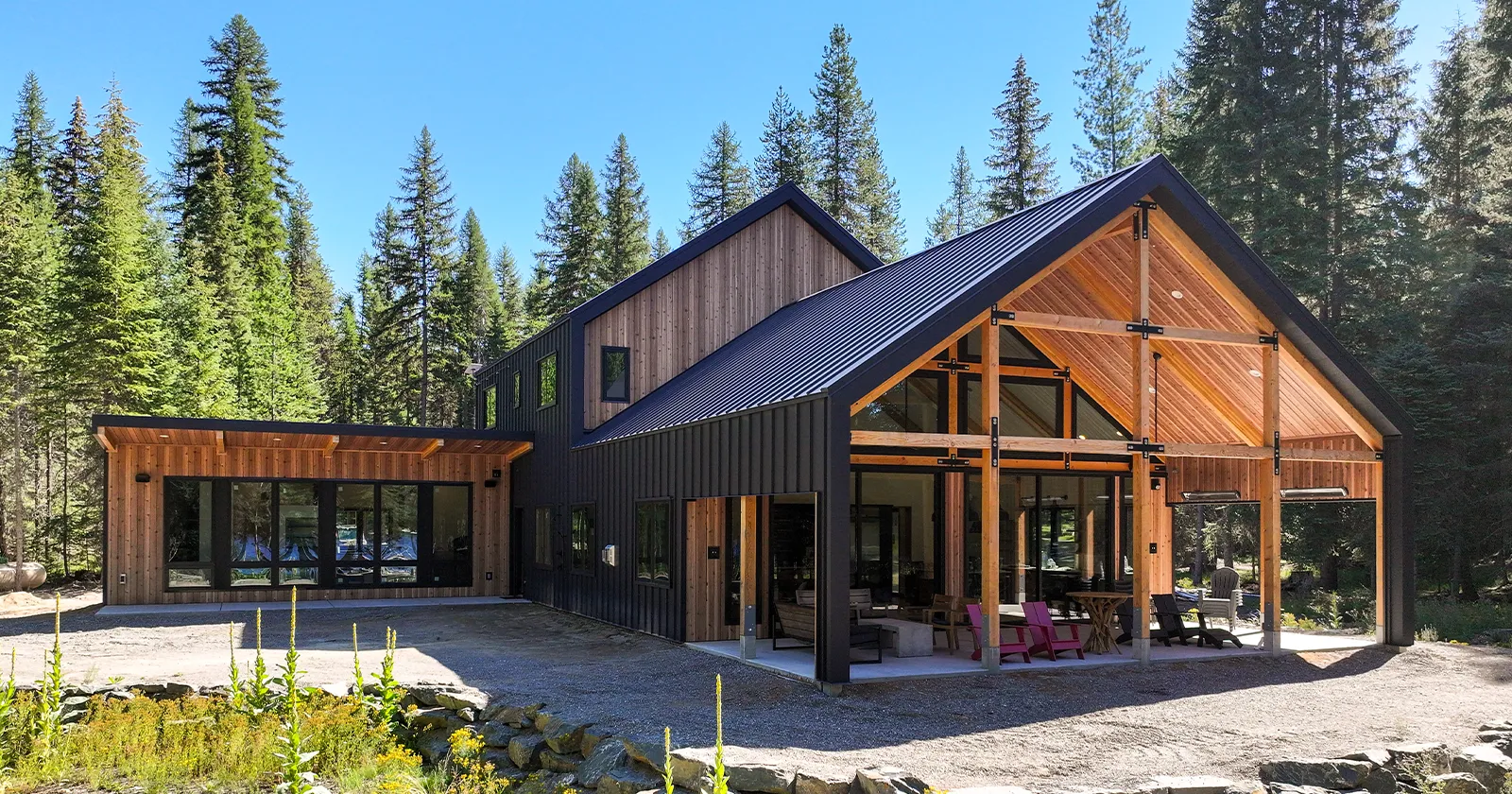
Metal siding for homes has come a long way from the corrugated panels you might picture on an old farm shed. Today, residential metal siding includes sleek standing seam profiles, board and batten styles, shiplap panels, and even specialty wood-look prints that give you the warmth of natural materials with the durability of steel. Whether you are building a new barndominium on acreage, upgrading the exterior of an existing home, or looking for a siding system that will last for decades without constant maintenance, metal panels are worth a serious look.
This guide walks you through everything you need to know about choosing metal siding for a home or barndominium, including the panel styles available, how to think about finishes and color, what makes steel siding stand out compared to other materials, and how to design an exterior that looks great from the road.
Why Homeowners and Barndominium Builders Are Choosing Metal Siding
The shift toward metal siding on residential buildings has been building steadily over the last decade. A few things are driving it.
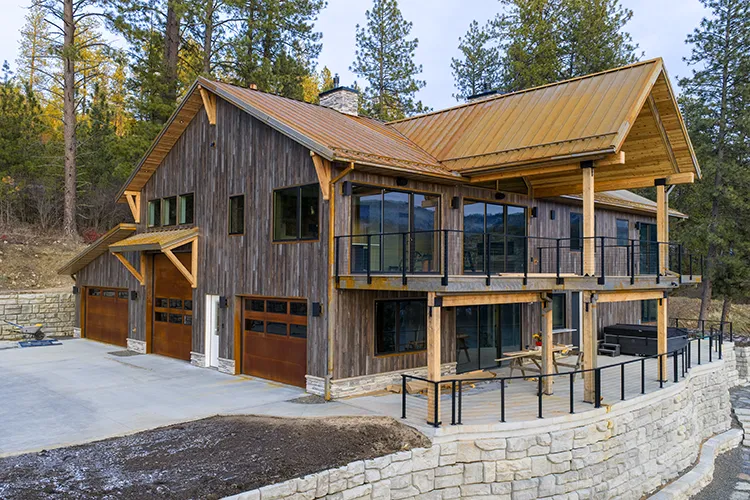
Durability is the biggest factor. Steel siding does not rot, warp, crack, or get eaten by insects. In regions like the Pacific Northwest, where rain, snow, freeze-thaw cycles, and wind are part of life, that matters. A properly installed metal siding system can last 40 to 70 years or more with minimal maintenance, far outpacing wood or fiber cement in terms of long-term performance.
Low maintenance is the second major draw. Once metal siding is on, there is very little to do. You are not repainting every five to seven years the way you would with wood siding, and you are not dealing with the cracking, moisture intrusion, or fiber swelling that can plague other materials.
Design flexibility has also improved dramatically. Modern metal siding panels come in dozens of colors, multiple profiles, and specialty finishes that can match almost any architectural style. The modern farmhouse look with board and batten metal panels, a contemporary industrial exterior with corrugated steel, or a barndominium wrapped in wood-print metal panels are all achievable with today’s product lines.
Finally, metal siding is one of the better long-term value options in exterior construction. The upfront material cost is higher than vinyl or basic wood, but the lower lifetime maintenance cost and longer lifespan generally make it a sound investment, particularly on new construction or a barndominium build.
Metal Siding Panel Styles for Homes and Barndominiums
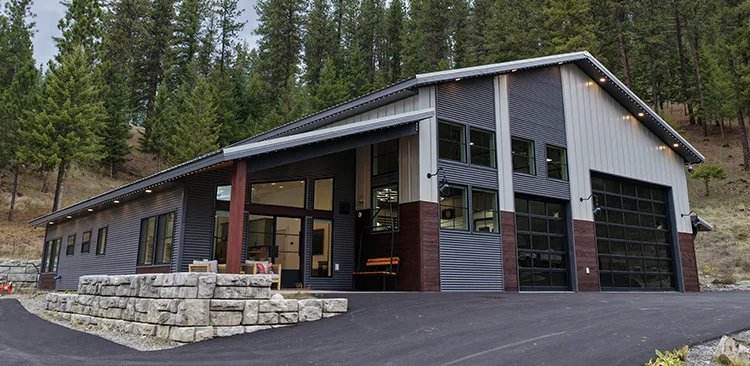
Not all metal siding panels are the same. The profile you choose affects the look, the installation method, and how the panel performs on your specific building. Here is a breakdown of the main residential siding panel types.
Board and Batten Metal Siding
Board and batten is one of the most popular panel choices for homes and barndominiums right now. The profile mimics the look of traditional vertical wood board and batten siding, with raised ribs spaced across the panel face that create shadow lines and visual texture.
On a barndominium, board and batten metal panels deliver exactly the kind of rural-modern aesthetic most buyers are looking for. On a custom home, the vertical orientation and shadow lines create a strong architectural statement. This panel style works well on both full exteriors and accent sections paired with other materials.
Metal America’s Board and Batten panel is one of their most popular residential siding products, available in a full range of Sherwin-Williams WeatherXL SMP colors and custom finishes.
Shiplap Metal Siding
Metal shiplap panels have a horizontal orientation with an overlapping profile that creates a clean, layered look. The style is closely associated with the modern farmhouse and coastal design movements, but it works well on barndominiums and contemporary homes too.
One of the appealing things about metal shiplap is that it is not limited to exterior applications. Contractors and homeowners use it for interior accent walls, wainscoting, and ceilings as well. It gives you a lot of design flexibility from a single panel type.
Corrugated Metal Siding
Corrugated panels, including the 7/8 inch corrugated profile, are widely used on barns and agricultural buildings, but they have also found a strong following in modern residential and commercial architecture. The wavy profile creates a distinctive industrial look that reads as intentional and contemporary on the right building.
Corrugated metal siding is typically one of the more budget-friendly options in the metal siding category, which makes it popular for large barndominium exteriors where covering a lot of square footage efficiently matters.
Ribbed Metal Siding Panels
Ribbed panels like the PBR and Tuff Rib profiles are exposed fastener systems with a more utilitarian look. They are common on agricultural buildings, shops, and commercial structures, but they are also used on barndominiums and rural homes where a straightforward, functional aesthetic is part of the appeal.
These panels install quickly and cost less per square foot than concealed fastener systems, making them a practical choice for large projects on a budget.
Flush Wall and Soffit Panels
Flush wall panels create a smooth, flat wall surface with concealed fasteners. They are popular in modern and minimalist architectural styles where clean lines and an uninterrupted wall plane are part of the design intent. They are also commonly used for soffits on overhangs and covered entries.
Double Lap Siding
Double lap metal siding mimics the look of traditional horizontal lap siding or clapboard, which makes it a natural fit for homes where you want a more traditional residential appearance without sacrificing the durability of steel. It is a good option for homeowners who like the look of classic lap siding but want to avoid the maintenance demands of wood or the longevity limits of vinyl.
Wood-Look and Specialty Finish Metal Panels
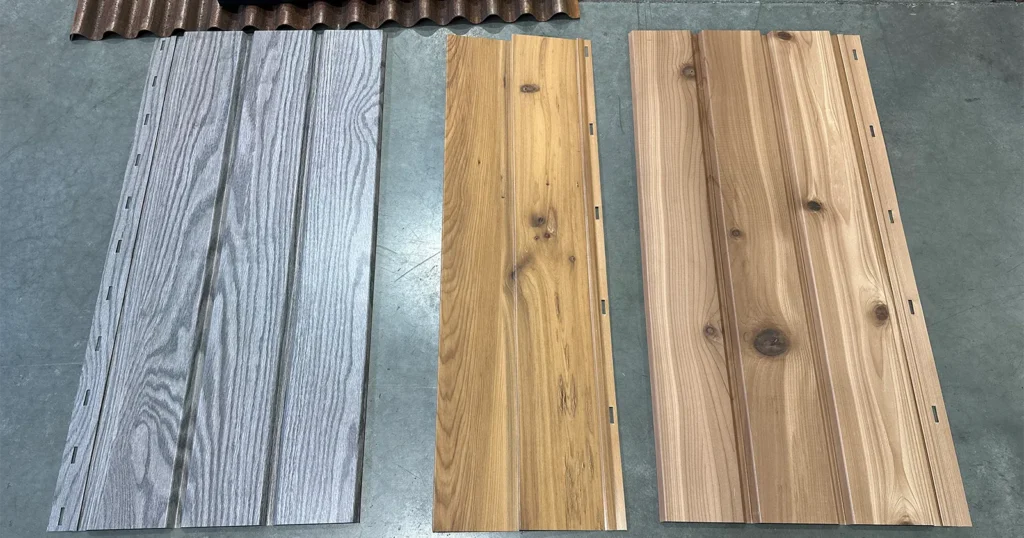
One of the most exciting developments in residential metal siding is the availability of specialty printed panels that replicate natural materials like wood grain, barnwood, cedar shake, and even charred wood finishes. Metal America offers wood-look metal panels that use a high-resolution scanning and printing process to capture the texture and color variation of real wood on a steel substrate.
These panels give you the warmth and natural aesthetic of wood siding without the maintenance, moisture vulnerability, or pest concerns that come with actual wood. On a barndominium, a wood-print metal panel on an accent wall or gable section creates a striking visual contrast against a standard painted panel field. On a custom home, it can replicate the look of a premium cedar or barnwood exterior at a lower long-term cost.
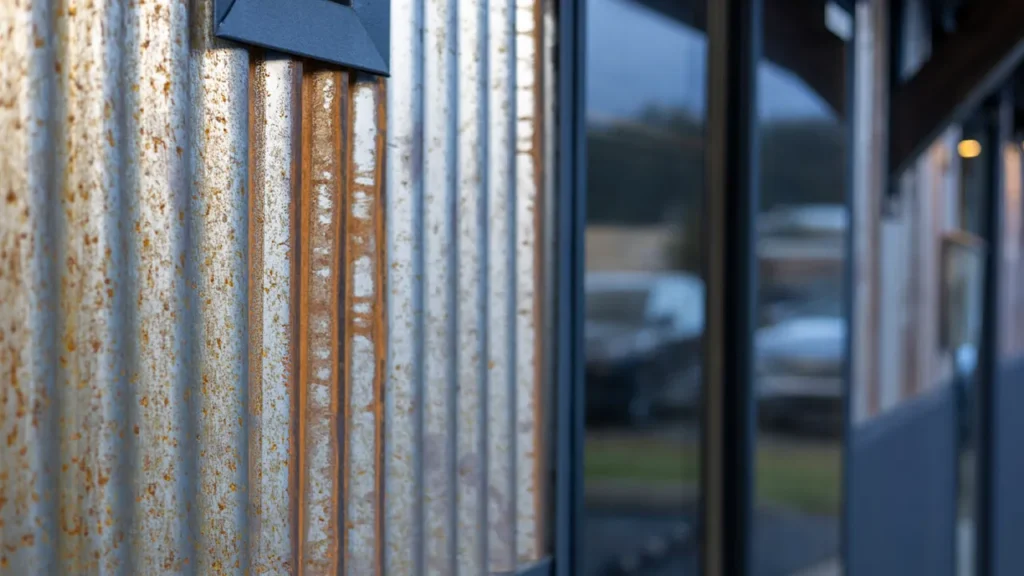
Cor-Ten weathering steel is another specialty finish option for homeowners and designers pursuing an industrial or raw materials aesthetic. Cor-Ten panels develop a rich, layered rust patina over time that stabilizes and protects the steel underneath. The look is distinctive and works particularly well on contemporary or industrial-modern homes.
Metal Siding Colors and Coatings
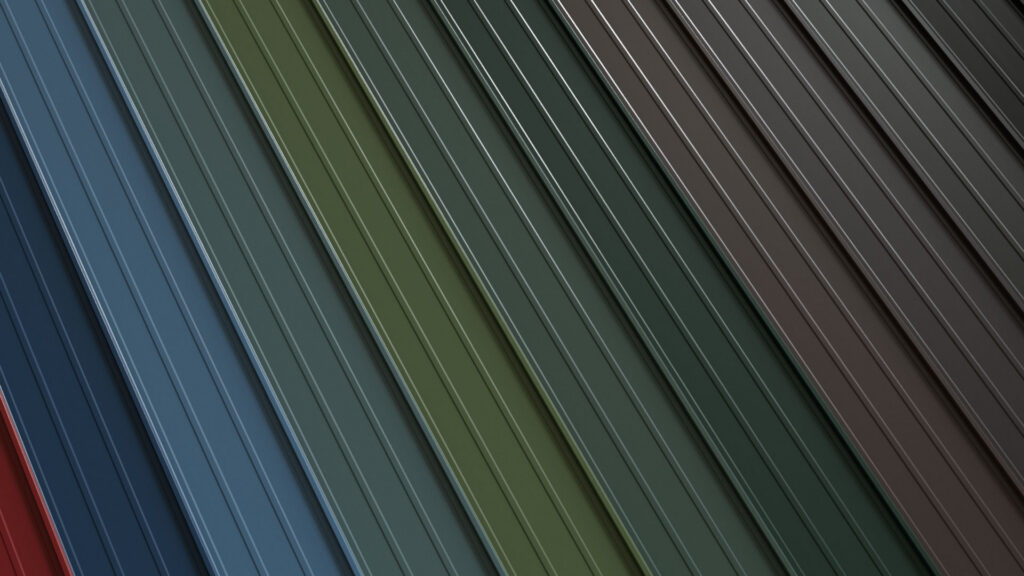
Color selection is one of the most important decisions in any metal siding project, and it is worth understanding what you are choosing between.
Metal America uses Sherwin-Williams WeatherXL SMP (Siliconized Modified Polyester) coatings on their residential siding panels. SMP coatings offer excellent color retention, chalk resistance, and fade resistance over time, which matters a great deal in the Pacific Northwest where UV exposure, rain, and temperature swings can accelerate paint degradation on lower-quality coatings.
Popular Color Palettes for Residential Metal Siding
The color choices for residential metal siding tend to cluster around a few design directions:
- Neutral and earthy tones: Charcoal, slate gray, bronze, tan, and warm whites are the most popular choices for barndominiums and modern farmhouses. These colors blend with natural landscapes, read as timeless, and work well with wood accents and stone details.
- Dark and dramatic: Deep charcoal, forest green, navy, and matte black have grown in popularity for contemporary and industrial-modern homes. On a barndominium, a dark exterior with metal trim and large garage doors makes a strong visual statement.
- Two-tone combinations: Mixing a primary field color with a contrasting accent color on gable sections, wainscot areas, or trim is one of the most effective ways to add architectural interest to a metal siding exterior. Common combinations include white with charcoal, tan with dark brown, and gray with black.
- Warm neutrals and wood prints: Pairing a warm gray or bronze field panel with a wood-look accent panel is a popular barndominium design approach that reads as intentional and sophisticated.
Designing a Metal Siding Exterior for Your Home or Barndominium
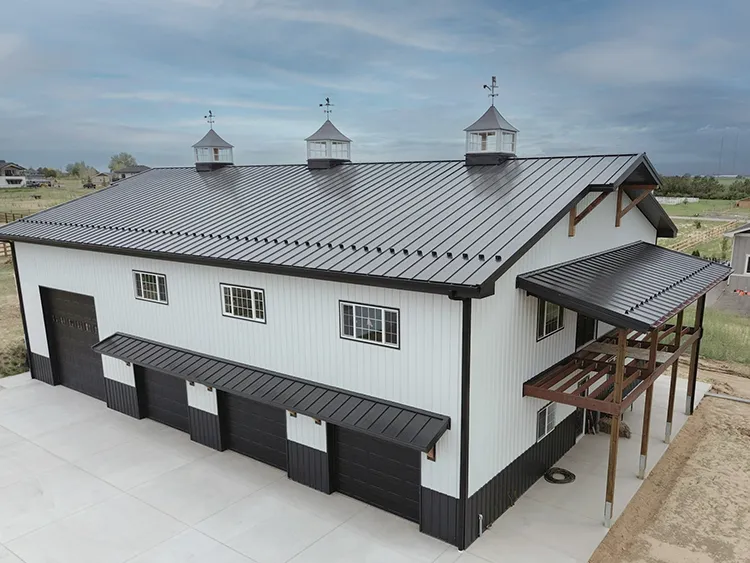
The panel profile and color are only part of the design equation. How you put them together on the building determines whether the exterior looks intentional and well-composed or just functional.
Panel Orientation
Vertical panel orientations, like board and batten or standing seam siding, tend to make a building look taller and more contemporary. They work well on barndominiums and modern farmhouses. Horizontal orientations, like shiplap or double lap, give a building a more traditional residential feel and can make a wide building look more proportional.
Many of the best-looking residential metal siding exteriors mix orientations. A vertical board and batten field with a horizontal shiplap accent band below the roofline, or a horizontal shiplap main field with a vertical corrugated accent panel on a gable section, both create visual interest without overcomplicating the design.
Wainscot and Accent Sections
Wainscot is the term for a lower band of siding that runs around the base of a building, typically in a different material or color than the field above. On a barndominium or rural home, a wainscot detail in corrugated or ribbed metal below a board and batten field gives the exterior a grounded, layered look that feels intentional and finished.
Accent sections, gable faces, and inset wall planes are other opportunities to introduce a second panel profile or color. A wood-print panel on a single gable end, for example, can become the visual centerpiece of an entire exterior.
Trim and Flashing
Trim is what ties a metal siding installation together. Properly fitted corner trim, window and door surrounds, and base trim make the difference between an installation that looks polished and one that looks improvised. Metal America provides matching trim packages in all panel colors so your corners, transitions, and penetrations coordinate with the siding field.
Metal Siding Gauges: What You Need to Know

Steel siding panels are manufactured in different gauges, which refers to the thickness of the steel substrate. The lower the gauge number, the thicker the steel.
| Gauge | Thickness | Common Use |
| 22 gauge | Thickest standard option | Commercial and high-demand applications |
| 24 gauge | Heavy residential/commercial | Premium barndominiums, custom homes, exposed locations |
| 26 gauge | Standard residential | Most common for residential metal siding projects |
| 29 gauge | Economy option | Budget agricultural and utilitarian applications |
For most residential metal siding projects, 26 gauge is the right balance of cost and durability. On a barndominium or custom home where the exterior is a significant design feature, 24 gauge gives you a more rigid panel with better resistance to oil canning (the subtle waviness that can appear on large flat metal panels).
If you are working on a high-wind location, exposed coastal or mountain site, or a commercial-adjacent project, moving up to 24 gauge is worth considering.
Metal Siding for Barndominiums: Specific Considerations
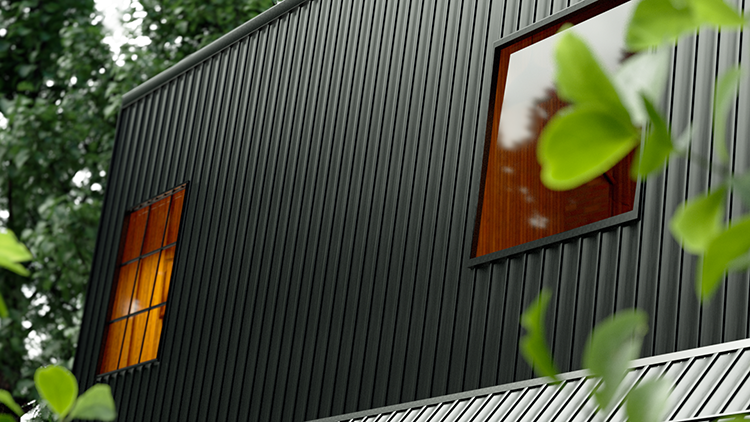
Barndominiums are a distinct building category with their own set of design expectations and practical requirements. Metal siding is almost universally the standard choice for barndominium exteriors because it delivers the look, the durability, and the scale performance that these buildings demand.
A few things to think about specifically for barndominium metal siding:
- Scale: Barndominiums tend to be large buildings. Panel choices that look great on a 2,000 square foot structure can look different on a 4,000 square foot building with a 16-foot wall height. Larger buildings generally benefit from bolder panel profiles and stronger color contrasts to keep the exterior from looking flat.
- Garage door integration: Most barndominiums include large overhead garage doors. The relationship between the siding panels and the garage door frames is a critical design detail. Make sure your trim package and panel layout account for how the doors will be framed and finished.
- Roofline coordination: On a barndominium, the roof and wall panels are often both metal. Coordinating the roof color and profile with the siding creates a cohesive look. Common approaches include matching colors, using the same manufacturer for both, or selecting complementary tones from the same color family.
- Living area differentiation: Some barndominium designs use different siding profiles or colors on the residential portion of the building versus the shop or garage section to visually distinguish the two uses. This is a design choice, not a structural requirement, but it can make a large building feel more articulated and residential.
Many of these same considerations apply to the modern farmhouse.
Metal Siding vs. Other Exterior Siding Options
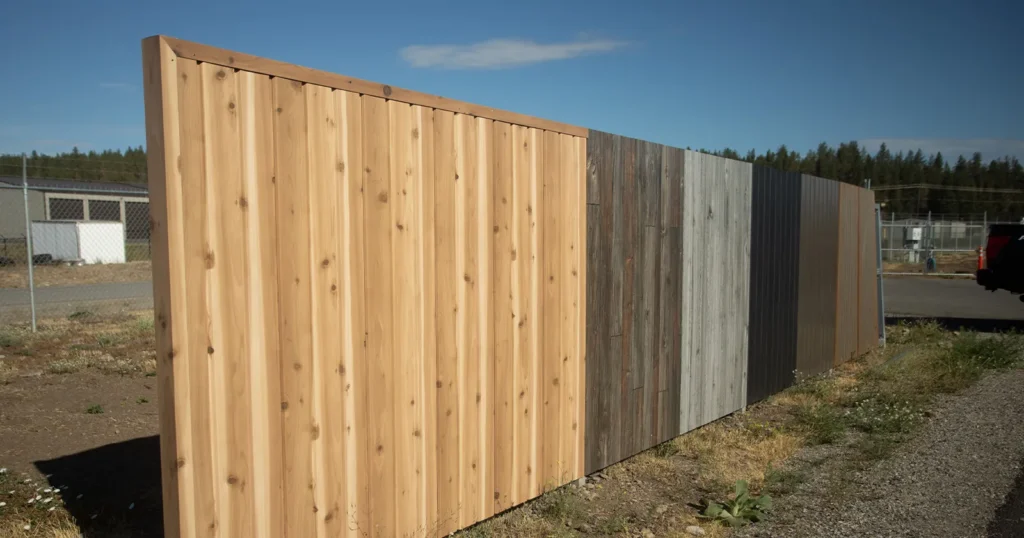
If you are still evaluating whether metal siding is the right choice for your home or barndominium, a quick comparison with the other main options helps put things in context.
| Material | Lifespan | Maintenance | Cost Range | Best For |
| Metal (steel) | 40-70+ years | Very low | Moderate to high upfront | Barndominiums, rural homes, modern farmhouses, commercial |
| Wood siding | 20-40 years | High (painting, sealing, pest treatment) | Moderate to high | Traditional homes with a natural look priority |
| Fiber cement | 25-50 years | Moderate (repainting every 10-15 years) | Moderate | Suburban homes, traditional residential |
| Vinyl | 20-40 years | Low | Low to moderate | Budget residential, suburban replacement |
Metal siding’s combination of longevity and low maintenance makes it particularly compelling on new construction where you are thinking about the 30 to 50 year picture, not just the installation day cost.
Explore this comparison more in depth in our article Metal Siding vs. Wood Siding vs. Fiber Cement: Which Is Best for Your Home?
The Metal America Product Line for Residential Siding
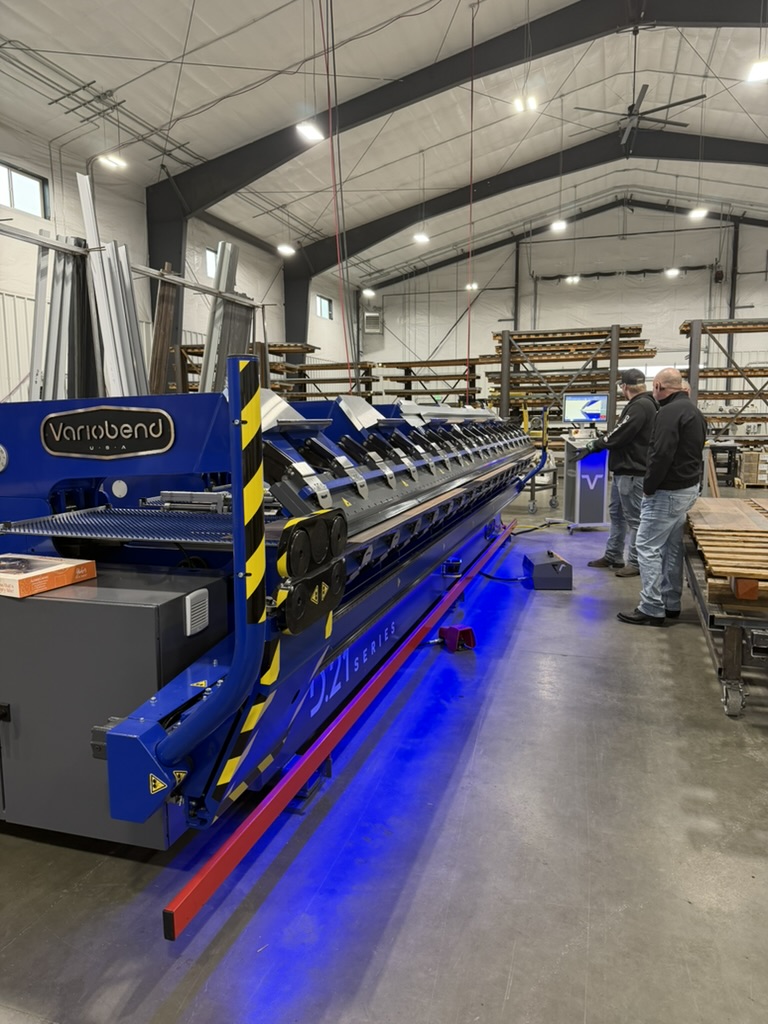
Metal America manufactures metal roofing and siding panels at their facility in Post Falls, Idaho, serving contractors and homeowners across Idaho, Washington, Oregon, and Montana. Their residential siding panel lineup includes:
- Board and Batten: Vertical architectural profile, popular on barndominiums and modern farmhouses
- Shiplap: Horizontal panel with a classic lapped appearance, suitable for interiors and exteriors
- Double Lap: Traditional horizontal siding profile for residential applications
- Flush Wall/Soffit: Smooth flat panel for modern aesthetics and soffit applications
- 7/8 Inch Corrugated: Classic wavy profile for agricultural and industrial-modern applications
- Wood-Look Specialty Prints: High-resolution wood grain, barnwood, cedar, and charred wood finishes
- Cor-Ten Weathering Steel: Natural rust patina finish for contemporary and industrial design
All panels are available with Sherwin-Williams WeatherXL SMP coatings in a full range of standard colors, with custom color options available on qualifying orders.
Because Metal America roll-forms panels at their Post Falls facility, they can produce custom panel lengths to fit your specific building dimensions. That reduces field cuts, waste, and installation time, which matters to contractors managing labor costs on larger projects.
How to Order Metal Siding Panels
If you are a contractor, you can work directly with the Metal America team to spec your panel needs and get a quote. The ordering process typically involves:
- Providing your building dimensions and wall heights
- Selecting your panel profile, gauge, and color
- Confirming your trim package needs for corners, openings, and base
- Reviewing lead times and scheduling delivery or pickup
Metal America serves contractors and homeowners directly from their Post Falls facility. Local pickup is available, and delivery can be arranged for projects across the Pacific Northwest. If you are in the early planning stages, reach out to their team to discuss your project scope before finalizing your panel selection.
Frequently Asked Questions About Residential Metal Siding
Is metal siding good for a house?
Yes. Modern metal siding is one of the most durable exterior options available. It resists moisture, pests, rot, and fire, and it holds up well in climates with heavy precipitation, wind, and temperature variation. With the right coatings and proper installation, steel siding can last 40 years or more with minimal maintenance.
How long does metal siding last on a home?
Quality steel siding panels with Sherwin-Williams SMP coatings typically last 40 to 70 years or more. The paint warranty on WeatherXL-coated panels covers color retention and chalk resistance for a significant portion of that lifespan. Actual longevity depends on installation quality, local climate, and maintenance.
Is metal siding more expensive than vinyl or fiber cement?
Metal siding has a higher upfront material cost than vinyl and is generally comparable to or slightly above fiber cement depending on the panel profile. However, the lower lifetime maintenance cost, longer lifespan, and superior durability make it a competitive long-term value, particularly on barndominiums and new construction where you are planning to stay for decades.
Can metal siding be used on a regular house?
Absolutely. Metal siding is not just for barns and barndominiums. Board and batten, shiplap, double lap, and flush wall panels are all designed for residential applications and can be used on conventional homes, custom homes, and modern farmhouses. The panel profile and color selection determine the visual outcome, and there are options that work in almost any architectural style.
Does metal siding rust?
The steel substrate in metal siding panels is coated with a galvanized or galvalume layer and then finished with a paint coating like SMP. This multi-layer system prevents rust under normal conditions for the life of the paint coating. If the surface is scratched or cut, the cut edge should be treated with touch-up paint or a field-applied edge treatment to prevent exposed steel from oxidizing. Cor-Ten weathering steel panels are an exception as they are designed to develop a controlled rust patina, but that patina stabilizes and protects the steel rather than causing it to continue deteriorating.
What is the best metal siding for a barndominium?
Board and batten is the most popular metal siding profile for barndominiums because it delivers the rural-modern aesthetic that barndominium buyers are typically looking for. For larger buildings or budget-conscious projects, corrugated or ribbed panels like PBR or Tuff Rib are practical options. Many of the best-looking barndominium exteriors combine a primary profile with a secondary accent panel in a different profile or color.
Get a Quote
Find the Best Panel for Your Next Project
Fill out the form below and our team will get back to you within 24 hours with pricing and availability.
E-mail
sales@metalamerica.com
Phone number
855-638-2587