
First Published: August 16, 2026 Last Update: August 16, 2026
Shopping for a metal roof throws a lot of jargon at you fast: standing seam, exposed fastener, ridge cap, purlin, oil canning. This is metal roofing terminology with pictures, a plain-English glossary so you can read a quote, talk to a supplier, and know exactly what you’re buying. We’ve grouped the terms the way they show up on a real roof, from the panels down to the trim and fasteners.
Metal roofing terminology, grouped by where it lives on the roof
Start with the panels, since that’s what most of a metal roof is:
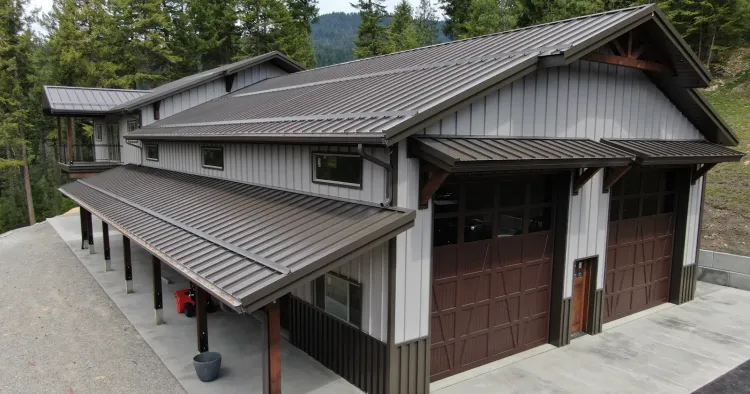
- Standing seam: a concealed fastener panel. The seams lock or snap together and the screws hide underneath, so nothing pokes through the weather surface. Our standing seam metal roofing guide covers the systems in depth.
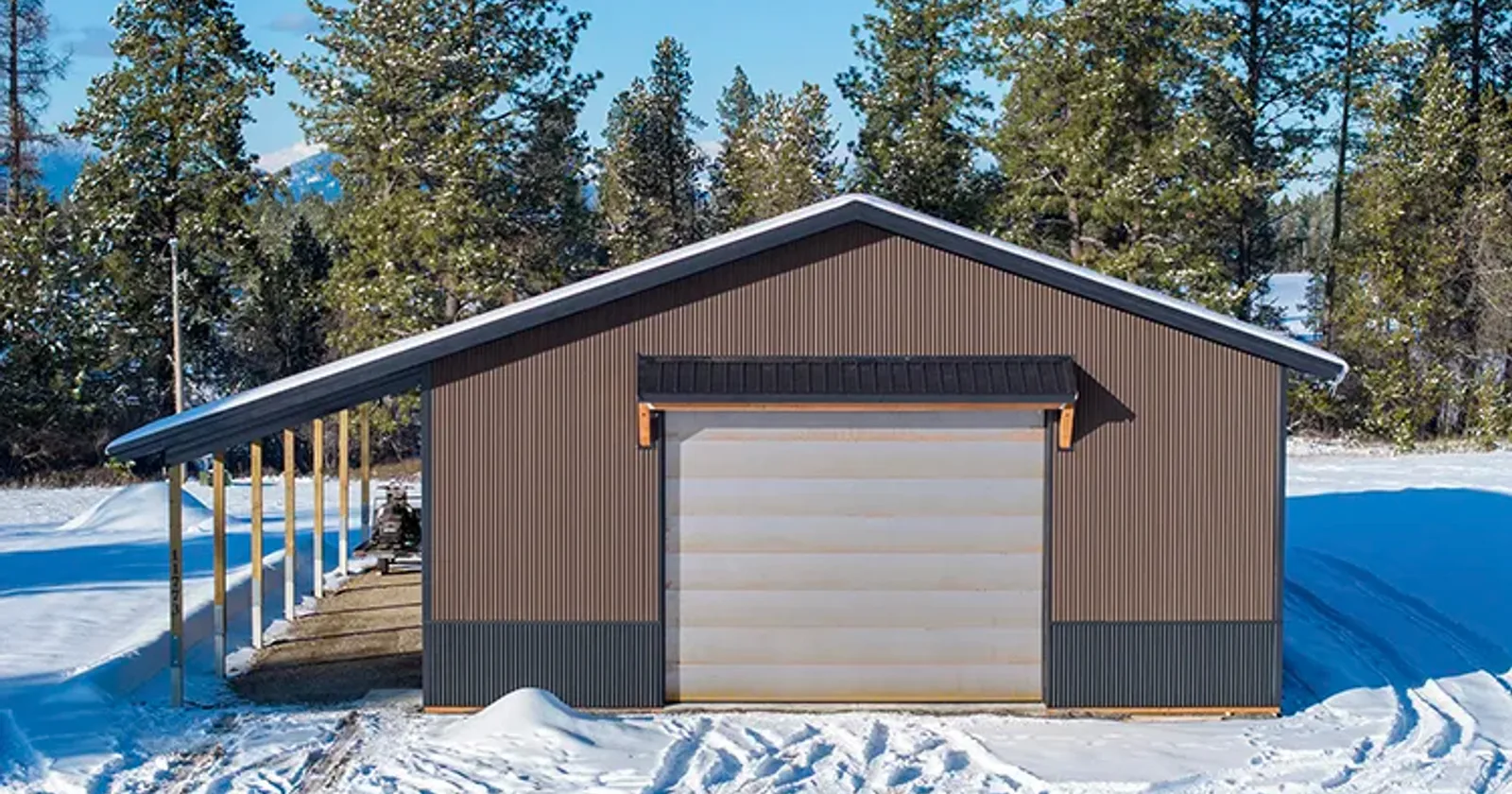
- Exposed fastener: a panel screwed through the face, like Tuff Rib and PBR. The screw heads are visible. It’s faster to install and easier on the budget.
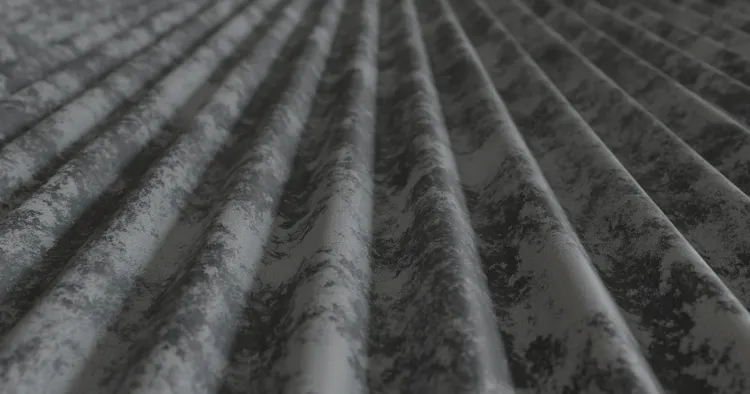
- Rib: the raised lines running up the panel. Ribs stiffen the sheet so it spans between supports without sagging.
- Corrugated: the classic rounded, wavy profile. See corrugated vs ribbed metal panels for how it differs from ribbed panels.
- Coverage width: how much wall or roof one panel covers once installed, which is a bit less than the panel’s total width because the edges overlap.
- Gauge: the thickness of the steel. Lower number means thicker metal. Our metal roofing panel gauges guide compares 22, 24, 26, and 29.
- Galvalume: the aluminum-zinc coating on the steel that fights rust before any paint goes on.
For the big picture on how panels fit together into a system, see our metal roofing panels overview.
Trim and edge terms
Trim is everything that finishes the panels at the edges and openings:
- Ridge cap: the trim that caps the peak where two roof slopes meet. See metal roof trim and ridge cap.
- Rake / gable trim: finishes the sloped edges at the ends of the roof.
- Eave: the lower, horizontal edge of the roof where water runs off.
- Hem: a folded-back edge on a panel or trim that stiffens it and hides the raw cut.
- Purlin: the horizontal framing member the panels screw into.
- Ridge vent: a vent built into the ridge that lets hot, moist air escape. Our ridge vent for metal roofing guide explains when you need one.
- Underlayment: the water-resistant layer that goes under the panels on the deck.
Performance and problem terms
- Oil canning: the slight waviness you sometimes see in the flat of a panel. It’s cosmetic, not a defect, and heavier gauges and ribbed profiles show it less.
- Thermal movement: metal expands and contracts with temperature. Good systems let the panels move so they don’t buckle or loosen fasteners.
- Closure strip: a foam or metal filler shaped to the panel profile that seals gaps at the ridge and eave against wind, water, and pests.
FAQ
What’s the difference between standing seam and exposed fastener?
Standing seam hides its fasteners under locked seams for a clean look and long life. Exposed fastener screws through the panel face, so it’s quicker and cheaper but the screws show and need checking over the years.
What does gauge mean on a metal roof?
Gauge is steel thickness, and a lower number is thicker. 26 gauge is a common residential and ag choice, while 24 gauge is a step up in strength for bigger buildings and heavy snow.
What is oil canning?
It’s the gentle waviness that can appear in the broad flat areas of a panel. It doesn’t affect performance, and you’ll see less of it with a heavier gauge or a ribbed profile.
The bottom line
Once you know the terms, a metal roofing quote reads like plain English instead of code. Keep this glossary handy while you compare panels, and if you want help matching profile, gauge, and color to your building, give us a call or request free samples.
Get a Quote
Find the Best Panel for Your Next Project
Fill out the form below and our team will get back to you within 24 hours with pricing and availability.
E-mail
sales@metalamerica.com
Phone number
855-638-2587