
First Published: July 23, 2026 Last Update: July 23, 2026
Trim is the unsung hero of a metal roof. The panels shed most of the water, but it’s the trim and the ridge cap that seal the edges, the peak, and every transition so nothing leaks. Here’s a plain-English look at the pieces and what each one does.
Why trim matters
Water always finds the edges and seams first. Trim covers those spots, blocks wind-driven rain, and gives the roof a clean, finished look. Skimp on trim and you’ll chase leaks later, so it’s worth getting right.
The main trim pieces
- Ridge cap. Caps the peak where two roof planes meet. It’s the most important piece for keeping water out of the top of the roof, and it’s usually vented for airflow.
- Drip edge and eave trim. Runs along the bottom edge and directs water into the gutter instead of behind the fascia.
- Rake or gable trim. Finishes the sloped side edges and keeps wind from lifting the panels.
- Valley flashing. Channels water where two roof slopes meet.
- Sidewall and endwall flashing. Seals where the roof meets a wall or a chimney.
Match the trim to the roof
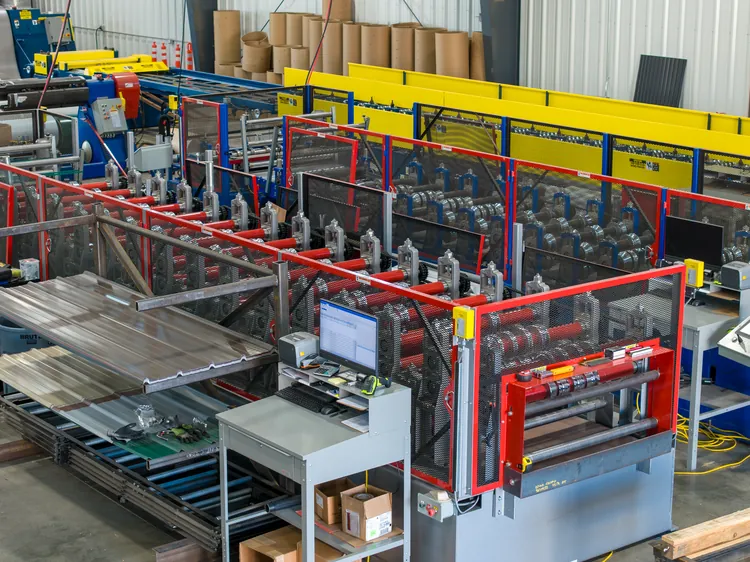
Order trim in the same gauge and color as your panels so it blends in and ages the same way. We roll-form trim in-house in the full range of our colors, so your ridge cap and drip edge match the roof instead of standing out. See how it all goes together in our installation guide, and browse colors to match.
FAQ
Do I really need a ridge cap?
Yes. Without one, the peak of the roof is wide open to water and wind. A vented ridge cap also lets the attic breathe.
Can I order trim to match my panels?
Yes. We make trim in the same colors and gauges as our metal roofing panels, cut to fit your roof (MCA).
Bottom line: the panels get the attention, but the trim keeps the roof dry. Tell us your roof and we’ll spec the trim to match.
Get a Quote
Find the Best Panel for Your Next Project
Fill out the form below and our team will get back to you within 24 hours with pricing and availability.
E-mail
sales@metalamerica.com
Phone number
855-638-2587