
First Published: June 8, 2026 Last Update: September 8, 2026
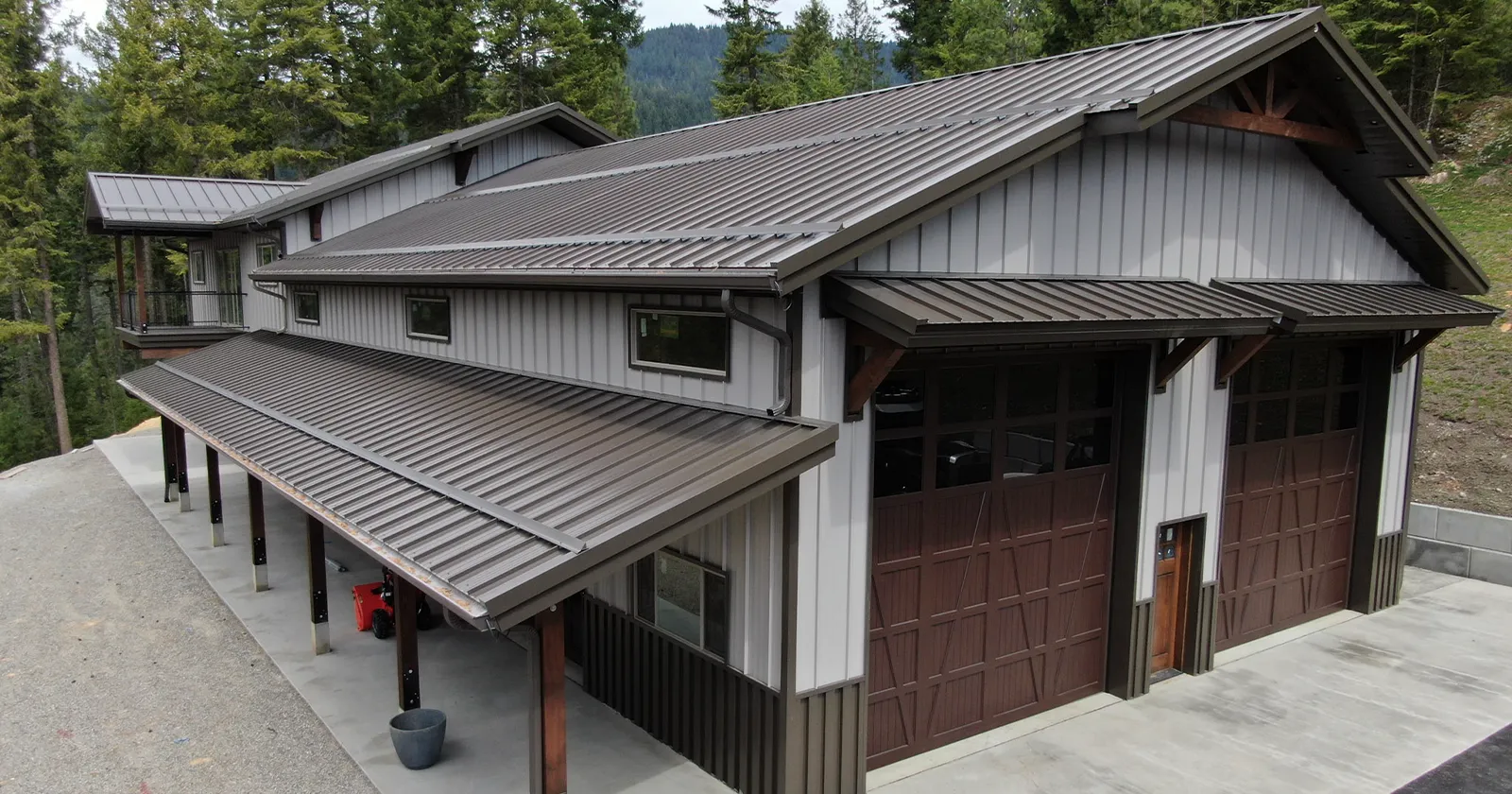
Standing seam metal roofing is the concealed-fastener panel system that contractors specify when a project demands the highest level of performance, weather resistance, and long-term durability. Unlike exposed fastener panels, standing seam systems hide all attachment hardware behind interlocking panel seams, eliminating the primary failure point of traditional screw-down roofing. The result is a cleaner-looking, longer-lasting, more weather-tight roof that earns a premium price point on every job.
This guide covers everything contractors and buyers need to know about standing seam systems: how they work, the different panel types and seam profiles available, gauge selection, appropriate applications, and how to source quality panels from a manufacturer who can deliver custom lengths on your schedule.
How Standing Seam Metal Roofing Works
The defining feature of a standing seam system is the raised seam that runs vertically from eave to ridge. Panels interlock along these raised seams, and all fasteners are hidden underneath or inside the seam itself. No screw heads are exposed to the weather.
This matters for a few practical reasons. Exposed fasteners penetrate the panel face and rely on a rubber washer seal to keep water out. Those washers degrade over time, and the penetrations themselves create opportunities for moisture intrusion, especially as panels expand and contract with temperature changes. Standing seam eliminates that failure mode entirely. The panels can move freely along their length while staying locked along their seam, which is why properly installed standing seam systems routinely last 40 to 60 years or more.
Standing Seam System Types: Snap Lock vs. Mechanically Seamed
There are two primary standing seam system types, and they serve different applications. Understanding the difference is essential for speccing the right system on any given project.
Snap Lock Standing Seam
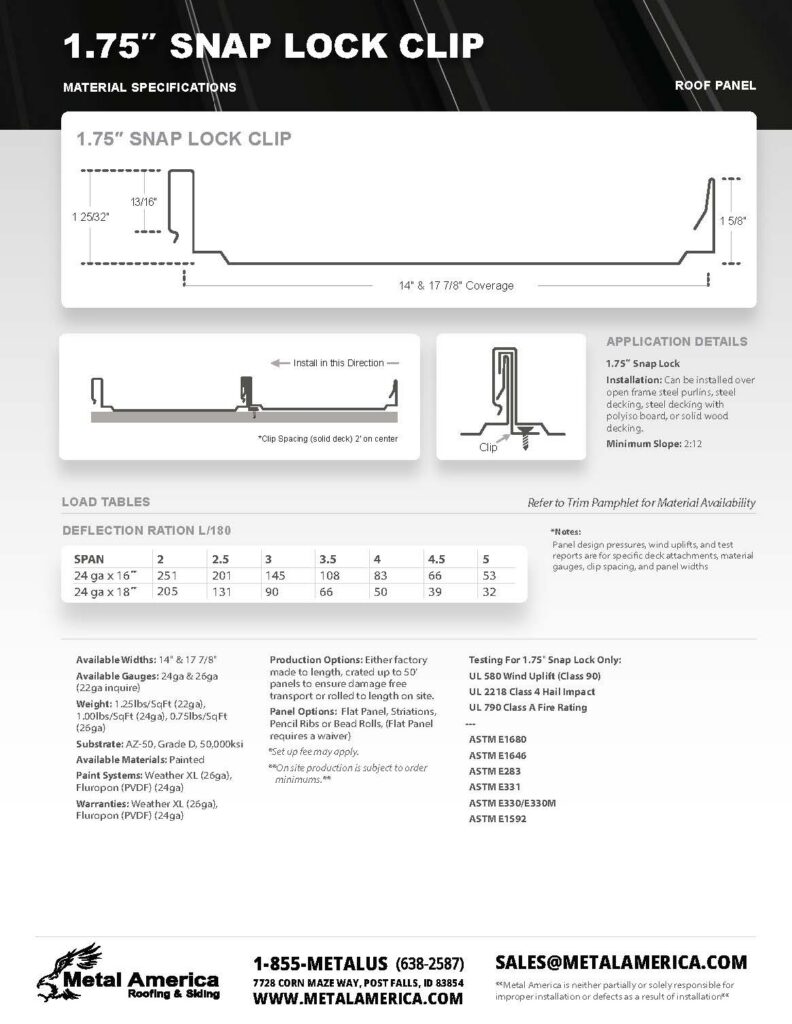
Snap lock panels interlock along a raised seam using a male-female clip system. The female leg of one panel snaps over the male leg of the adjacent panel, locking the seam without any mechanical seaming equipment. Installation is faster than mechanically seamed systems, and the panels can be installed by roofing contractors without specialized tools beyond standard panel installation equipment.
Snap lock systems are appropriate for residential roofs, barndominiums, agricultural buildings with moderate slope requirements, and commercial applications where the roof pitch exceeds the minimum slope rating. Metal America offers snap lock panels in 1.5-inch and 1.75-inch seam heights, giving contractors options for different aesthetic and structural requirements. The QuickLoc panel is Metal America’s most popular snap lock product and is available in a range of gauges and lengths.
Minimum slope for snap lock systems is typically 3:12 or greater, though this varies by panel profile and manufacturer specifications. Always confirm slope requirements before speccing snap lock on low-pitch applications.
Mechanically Seamed Standing Seam
Mechanically seamed panels use a portable electric seamer that crimps the panel seams together after installation, creating a continuous mechanically locked joint along the full length of every seam. The seaming machine travels the length of each panel run, folding the seam to a 180-degree lock.
Mechanically seamed systems handle lower slopes than snap lock, making them the right call for commercial applications, low-pitch roofs, and wide-span structures where a 1:12 or 2:12 pitch is involved. They also offer superior wind uplift resistance in high-load applications because the mechanical seam creates a stronger joint than a snap-together connection.
Metal America’s mechanically seamed panel is designed for commercial and industrial applications where low slope performance and maximum weather resistance are the priority. This system is specified frequently on warehouses, commercial buildings, and agricultural structures with shallow roof pitches.
Metal America Standing Seam Panel Lineup
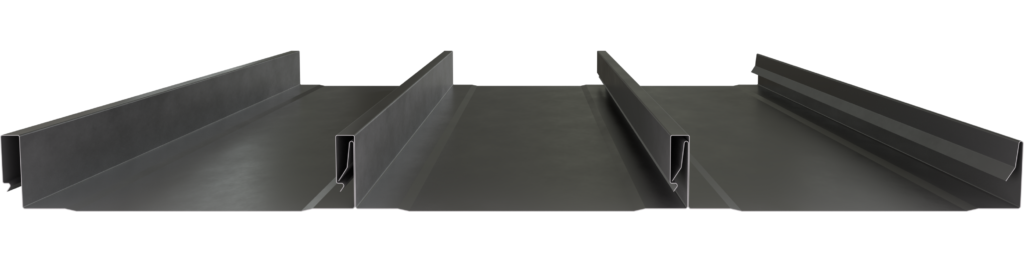
Metal America manufactures four standing seam panel profiles at its Post Falls, Idaho facility. All panels are roll formed in-house and available in custom lengths, which eliminates mid-roof seams and simplifies installation on long roof runs.
| Panel | Seam Height | System Type | Best Applications |
| QuickLoc | 1.75 inch | Snap Lock | Residential, barndominium, light commercial |
| 1.5 Snap Lock | 1.5 inch | Snap Lock | Residential, agricultural, moderate slope |
| 1.75 Snap Lock | 1.75 inch | Snap Lock | Residential, commercial, steeper pitch |
| Mechanically Seamed | Custom | Mechanical Seam | Commercial, low slope, industrial, wide span |
Gauge Selection for Standing Seam Panels
Standing seam panels are available in multiple gauges, and the right choice depends on the project type, span requirements, and budget. Gauge refers to the thickness of the steel, with lower numbers indicating thicker, heavier steel.

29 Gauge
The lightest option in the standing seam lineup. Appropriate for residential projects with shorter panel spans and standard structural requirements. Lower material cost makes it attractive for budget-sensitive residential bids, though it offers less rigidity than heavier gauges on longer runs.
26 Gauge
The most common gauge specification for residential and light commercial standing seam work. Offers a good balance of panel stiffness, oil-canning resistance, and material cost. Most contractors default to 26 gauge on residential standing seam jobs where the spec doesn’t call out something heavier.
24 Gauge
Heavier and stiffer than 26 gauge, with significantly better resistance to oil canning on wide panels and long runs. Specified on premium residential projects, commercial applications, and anywhere the panel width or span demands extra rigidity. Also the preferred gauge for mechanically seamed commercial systems.
22 Gauge
The heaviest gauge in the standard lineup. Used on demanding commercial and industrial applications where maximum panel strength, wind uplift resistance, and long-term structural performance are required. Higher material cost is justified on high-value commercial projects.
Coatings and Finishes: WeatherXL SMP
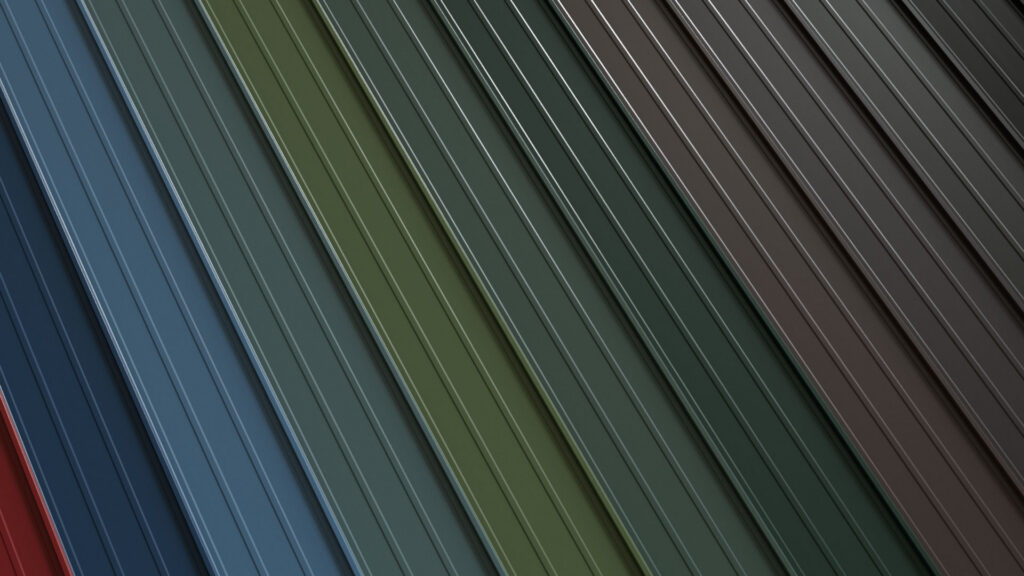
All Metal America standing seam panels are finished with Sherwin-Williams WeatherXL SMP (Siliconized Modified Polyester) coating. WeatherXL is a commercial-grade paint system engineered for long-term UV resistance, chalk resistance, and color retention in outdoor environments.
For contractors, the practical implications are straightforward. WeatherXL panels hold their color and finish for decades without repainting or recoating, which means no callbacks related to finish failure and a product that looks as good in year 15 as it did on installation day. The coating is backed by a manufacturer warranty that contractors can reference when selling the premium price point to building owners and homeowners.
Standing seam panels are available in the full Metal America color palette, which covers a wide range of standard colors as well as specialty finishes including wood grain prints and Cor-Ten weathering steel looks.
Applications: Where Standing Seam Gets Specified

Residential Roofing
Standing seam is the premium specification on custom homes, high-end residential remodels, and any residential project where the owner wants a roof that looks sharp, performs without maintenance issues, and carries meaningful longevity. The clean line of the raised seam panel profile has also become a design staple on modern farmhouse and contemporary residential architecture. Contractors selling standing seam on residential jobs are selling a roof the homeowner will never have to think about again.
Barndominiums
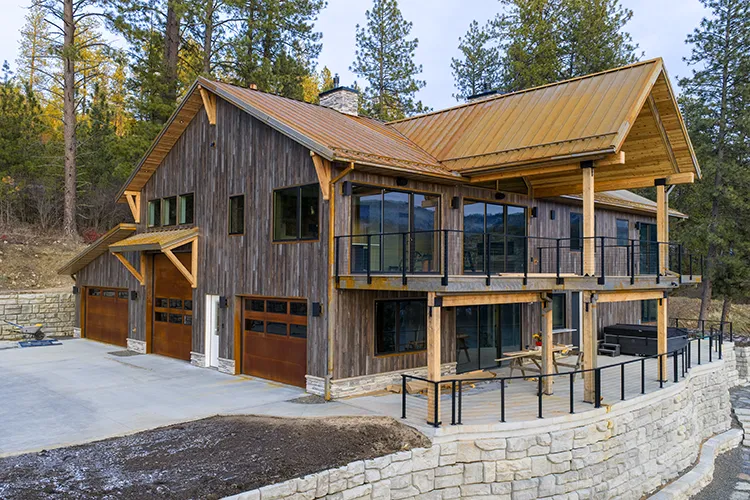
The barndominium market has driven significant standing seam demand in the Pacific Northwest. Barndominium buyers invest heavily in their buildings and typically want the premium panel look and performance to match. Snap lock standing seam is the standard specification on barndominium roofs where budget allows, and QuickLoc is one of the most commonly specified panels for this application.
Commercial and Industrial Buildings
Mechanically seamed panels are the standard specification on low-slope commercial and industrial roofs. Warehouses, retail buildings, agricultural processing facilities, and other commercial structures typically fall in the 1:12 to 3:12 pitch range where mechanically seamed systems are required. Commercial contractors sourcing panels for these projects need a supplier who can deliver custom lengths and consistent panel quality on commercial timelines.
Agricultural Buildings
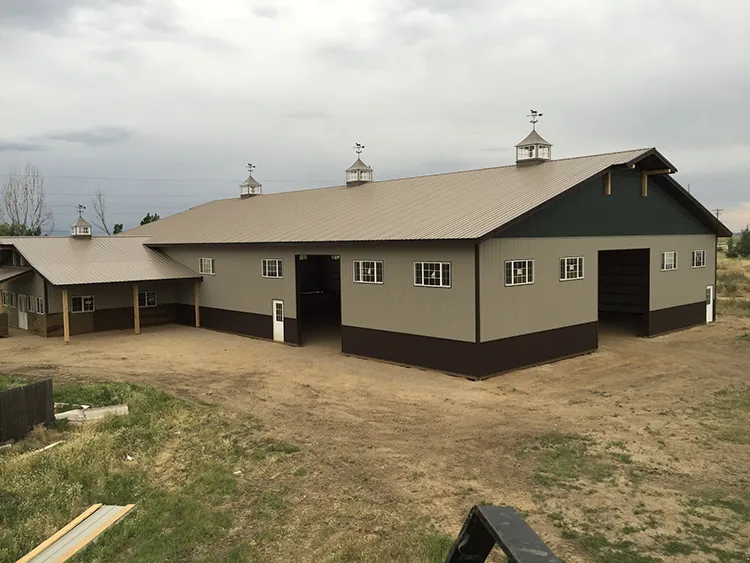
Standing seam is increasingly specified on higher-end agricultural buildings where the owner wants the panel look and reduced maintenance profile of a concealed fastener system. Grain storage, equipment storage, and processing buildings where long-term moisture resistance is a priority are all strong standing seam applications.
On-Site Roll Forming: A Contractor Advantage
Metal America offers on-site panel roll forming for projects where panel length, site access, or logistics make factory delivery impractical. The portable roll former travels to the job site and forms panels to exact custom lengths in the field. This eliminates transportation damage risk on long panels, removes the need for mid-roof seams on long runs, and can simplify logistics on remote or difficult-to-access job sites.
On-site forming is particularly valuable on commercial and agricultural projects with long roof runs where panels exceeding 40 or 50 feet would be difficult to transport. Contractors who regularly take on these project types should ask about Metal America’s on-site forming capabilities when planning larger jobs.
Why Panel Length Matters and How Metal America Handles It
One of the most practical advantages of sourcing standing seam panels from Metal America is custom-length roll forming. Panels are cut to the exact length required for each project, rather than being supplied in fixed lengths that require on-site cutting, piecing, or mid-roof seams.
Custom length panels matter for a few reasons. A continuous panel run from eave to ridge with no horizontal seam is more weather-resistant than a seamed panel run. It also installs faster and looks cleaner. For contractors, it reduces labor time on the roof and eliminates one potential failure point from every panel run.
Sourcing Standing Seam Panels from Metal America
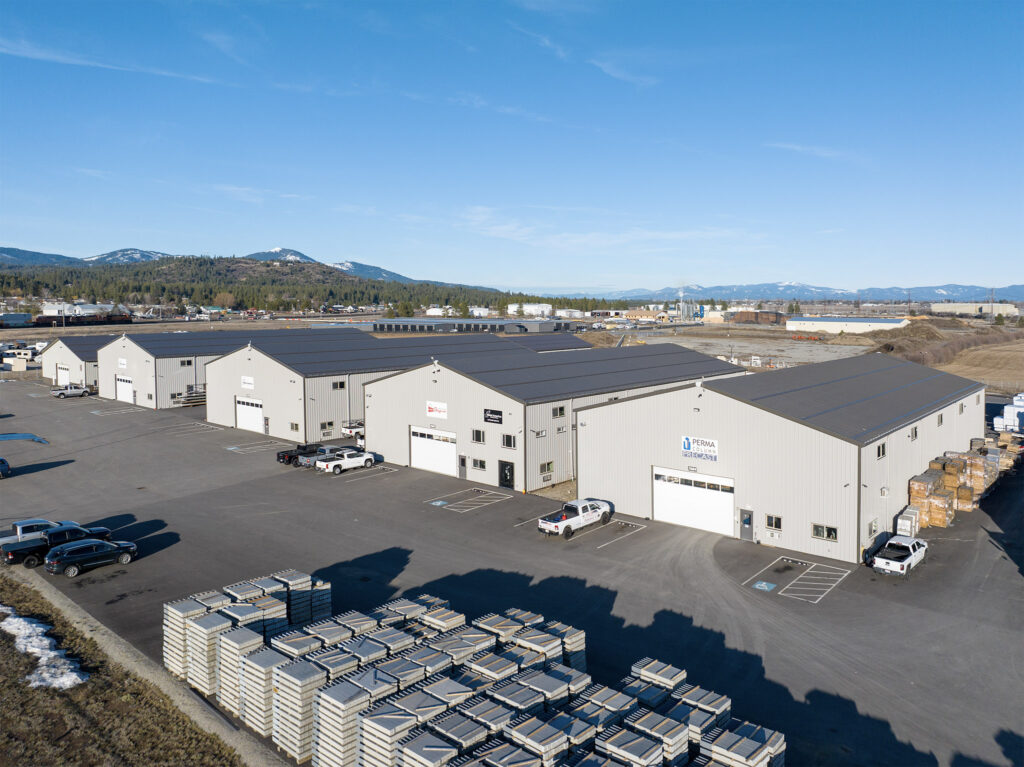
Metal America manufactures standing seam panels at its Post Falls, Idaho facility, serving roofing contractors, general contractors, and builder clients throughout Idaho, Washington, Oregon, and Montana. Panels are available in the full gauge and color range, cut to custom lengths, with trim and accessory packages available to complete the job.
Contractors working in the Pacific Northwest who are looking for a consistent, reliable standing seam panel supplier should contact the Metal America team directly to discuss project requirements, lead times, and contractor pricing. The team works with roofing contractors on a regular basis and understands the scheduling demands of active job sites.
Frequently Asked Questions
What is the minimum slope for standing seam metal roofing?
Snap lock systems typically require a minimum pitch of 3:12. Mechanically seamed systems can handle lower slopes, often down to 1:12 or even less depending on the panel profile and installation details. Always confirm the minimum slope specification for the specific panel being used.
Is standing seam better than exposed fastener roofing?
Standing seam outperforms exposed fastener panels on weather resistance, lifespan, and long-term maintenance requirements. Exposed fastener panels are appropriate for agricultural, budget-sensitive residential, and utility applications. Standing seam is the right choice when performance and aesthetics matter and the budget supports the premium.
What gauge standing seam panel do contractors typically specify?
26 gauge is the most common specification on residential standing seam work. 24 gauge is standard on commercial projects and premium residential applications. 22 gauge is used on demanding commercial and industrial applications.
Can standing seam panels be ordered in custom colors?
Yes. Metal America’s standing seam panels are available in the full WeatherXL color palette, which includes a broad range of standard colors as well as specialty finishes.
Does Metal America offer trim packages with standing seam panels?
Yes. Trim, ridge cap, eave trim, and flashing components are available to complete standing seam installations. Ordering panels and trim from the same manufacturer simplifies the sourcing process and ensures color matching across all components.
Get a Quote
Find the Best Panel for Your Next Project
Fill out the form below and our team will get back to you within 24 hours with pricing and availability.
E-mail
sales@metalamerica.com
Phone number
855-638-2587