
First Published: November 3, 2026 Last Update: November 3, 2026
Metal gates with wood infill pair a welded steel frame with real wood boards set inside it. They’re popular because they look warm and natural while the steel does the structural work. Here’s the honest answer up front: the steel frame fixes the part of a wood gate that usually fails first, which is sagging. It doesn’t change how the boards themselves weather.
If you want real wood and you’re fine with a stain cycle, a wood infill gate is a solid choice. If you’d rather never touch it again, an all-steel gate with a wood-look finish is worth a look. Here’s how the two compare.
What Are Metal Gates With Wood Infill?
A wood infill gate starts with a steel frame, usually square or rectangular tube welded into a rectangle. Boards are fastened inside that frame, either running vertically for a classic picket look or horizontally for a more modern one. The boards attach with brackets, channels, or screws through tabs welded to the frame.
Cedar is a common choice for the infill because it handles moisture better than most softwoods. Pressure-treated pine and redwood show up too. The frame is typically powder coated or painted black, bronze, or another dark color so it reads as a clean outline around the wood.
Why the Steel Frame Helps
An all-wood gate hangs all of its weight off one side. Over time, the joints loosen, the frame racks out of square, and the latch side drops until the gate drags on the ground. That’s the most common gate complaint there is.
A welded steel frame doesn’t rack the way a screwed-together wood frame does, so it holds its shape much longer. It also gives the hinges something solid to bolt to. Pair it with a steel hinge post and you’ve removed the two weakest links in a typical wood gate. Our guide to a wood fence with metal posts covers the same idea along a whole fence line.
Where Wood Infill Still Falls Short
The frame solves the structure. The boards are still wood, and they still do what wood does outdoors.
- Weathering: Unfinished boards gray out, and stained boards fade. Either way, you’re on a recurring sand-and-stain cycle if you want them to keep their color.
- Movement: Wood swells when it’s wet and shrinks when it dries. In a Pacific Northwest climate with long wet seasons and dry summers, that can open gaps between boards, loosen fasteners, and throw off latch alignment.
- Moisture at the frame: Water tends to sit where the boards meet the steel. That’s where rot and staining usually start.
- Fire: Wood infill is combustible. A gate that ties into the side of a house can carry embers right to the wall, which matters if you’re in wildfire country. The NFPA Firewise program recommends keeping combustible fencing and gates away from the structure for that reason.
Metal Gates With Wood Infill vs All-Steel Wood-Look Gates
| Steel frame, wood infill | All steel, wood-look finish | |
|---|---|---|
| Look | Real wood grain and texture | Printed wood grain on steel |
| Sagging | Resists it well | Resists it well |
| Upkeep | Regular staining or sealing | No staining or sealing |
| Wet-dry movement | Boards swell and shrink | No board movement |
| Fire | Infill is combustible | Non-combustible |
| Matching a steel fence | Hard to match exactly | Can match the fence finish |
The short version: wood infill wins if you want the real material. All steel wins on upkeep, fire, and keeping a gate that looks the same in 20 years as it does today.
Matching a Gate to a Wood-Look Steel Fence
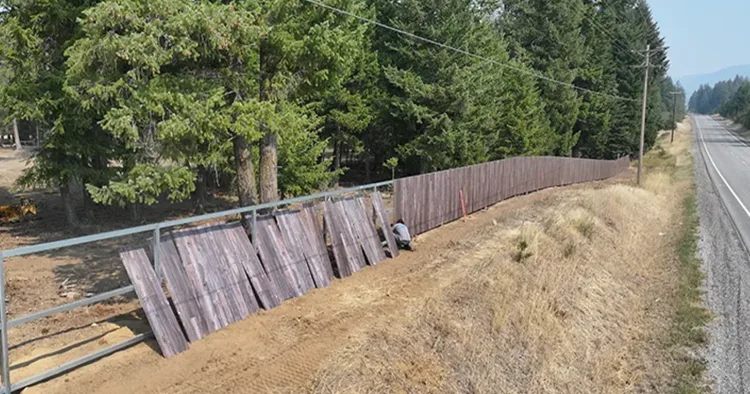
If the fence around your gate is steel, a wood infill gate will be the one part of the line that needs maintenance, and it’ll age differently from everything around it. That’s the main reason people with a metal fence that looks like wood lean toward a gate in the same finish.
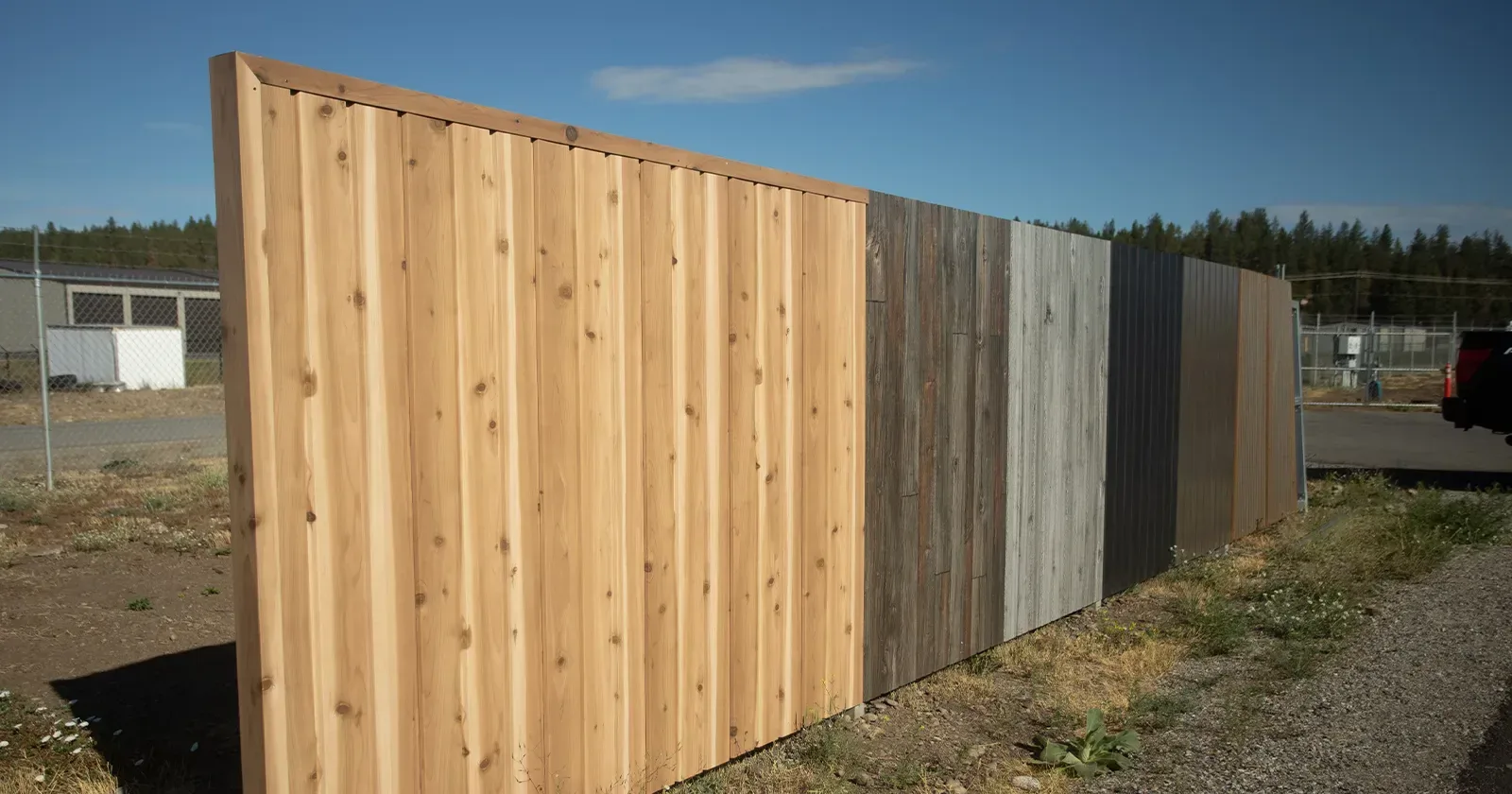
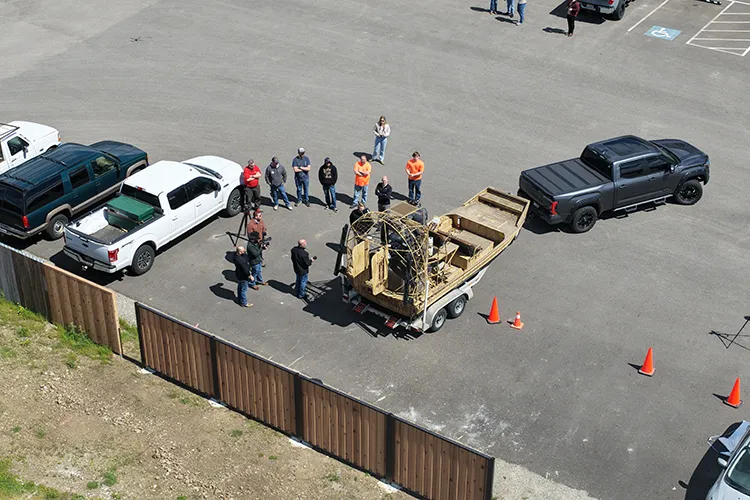
Our fence system uses steel-framed panels on 2.5 inch square tube steel posts, with wood grain printed in high definition from scans of real wood. Finishes include Smooth Cedar, Barnwood, Chippy White, Rough Cedar Gray, and Walnut, and you can compare them in our guide to wood grain metal fence styles and finishes. The system is non-combustible and rated for 115 mph wind, which matters on a gate, since a closed gate catches wind like a sail.
Whatever you choose, plan the gate opening when you lay out the posts. Gate posts carry more load than line posts, and our guide on how far apart fence posts should be covers how openings change the layout.
Which One Is Right for You?
- Choose wood infill if real wood matters to you, the gate stands on its own rather than in a steel fence line, and you don’t mind restaining.
- Choose all steel with a wood-look finish if you want zero upkeep, you’re matching a steel fence, or you live where wildfire is a real concern.
If you’re still weighing materials for the whole run, our metal fence vs wood fence comparison walks through the bigger picture.
FAQ
Do metal gates with wood infill sag?
Much less than all-wood gates. The welded steel frame resists racking, which is what makes wood gates sag. A solid hinge post and good hinges matter just as much as the frame.
What’s the best wood for gate infill?
Cedar is the most common pick because it handles moisture well and takes stain evenly. Pressure-treated pine costs less but moves more as it dries. Either way, plan on sealing it.
Can I put a wood infill gate in a metal fence?
Yes, but it’ll be the one piece that needs maintenance, and it’ll weather differently from the steel around it. A gate in the same finish as the fence keeps the line consistent.
The Bottom Line
Metal gates with wood infill fix the sagging problem and keep the look of real wood, but the boards still need regular care and they’ll still burn. If you want the wood look without the stain cycle, an all-steel gate in a wood-look finish gets you there.
Planning a new fence line too? Our guide to the do it yourself fence kit route covers what’s involved in putting one in. For gate options to match a Metal America fence, give us a call or request free samples of the wood-look finishes.
Get a Quote
Find the Best Panel for Your Next Project
Fill out the form below and our team will get back to you within 24 hours with pricing and availability.
E-mail
sales@metalamerica.com
Phone number
855-638-2587