
First Published: November 7, 2026 Last Update: November 7, 2026
A do it yourself fence kit bundles the panels, posts, and hardware for a fence run into one order so you can install it without a contractor. Kits are a real time saver, because you’re not piecing together parts from three different aisles. Here’s the honest answer up front, though: the kit makes ordering easy, but it doesn’t make installation easy. Most DIY fences that fail do it at the posts, and no kit sets posts for you.
Here’s what a fence kit usually includes, how the common materials compare, and when doing it yourself makes sense.
What’s in a Do It Yourself Fence Kit?
Contents vary by brand, but most kits include some combination of:
- Panels or pickets sized for a standard post spacing
- Posts, including line, end, corner, and gate posts, which aren’t interchangeable
- Rails or brackets that connect panels to posts
- Post caps and fasteners
- A gate, though many kits sell it separately
What’s almost never included: concrete, gravel, string line, and the tools to dig post holes. Check the kit’s list against your run before you order, especially the count of corner and end posts.
DIY Fence Kit Materials Compared
| Material | DIY difficulty | Upkeep | Fire |
|---|---|---|---|
| Wood | Easiest to cut and adjust on site | Staining or sealing on a regular cycle | Combustible |
| Vinyl | Moderate; panels must fit the post spacing | Washing; can get brittle in cold | Melts and deforms |
| Aluminum | Moderate; lightweight panels | Very low | Non-combustible |
| Steel | Harder; heavier panels, tougher to cut on site | Very low | Non-combustible |
For a deeper look at the two most common materials, our vinyl vs wood fence comparison breaks down cost, upkeep, and how each handles cold and heat.
Installing a Do It Yourself Fence Kit, Step by Step
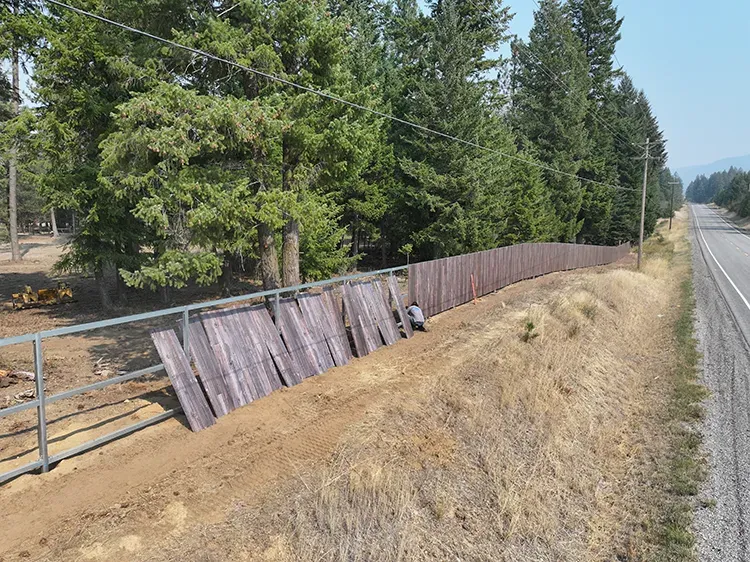
Every kit has its own instructions, and you should follow them. The overall sequence looks about the same for most of them:
- Confirm the line. Know your property line, and check HOA rules and local permit requirements for height and setbacks.
- Call before you dig. Call 811 or use call811.com a few days ahead so buried utility lines get marked.
- Lay out the run. Stake the corners and ends, pull a string line, and mark every post location. Plan the run so it lands on full panels where you can. Our guide on how far apart fence posts should be covers spacing and laying out even sections.
- Set the end, corner, and gate posts first. These carry the most load. Get them plumb and let the concrete set per the kit’s instructions.
- Set the line posts to the string, checking height and plumb on each one.
- Hang the panels and gate, then add caps and check that the gate swings and latches cleanly.
Can You DIY a Steel Fence?
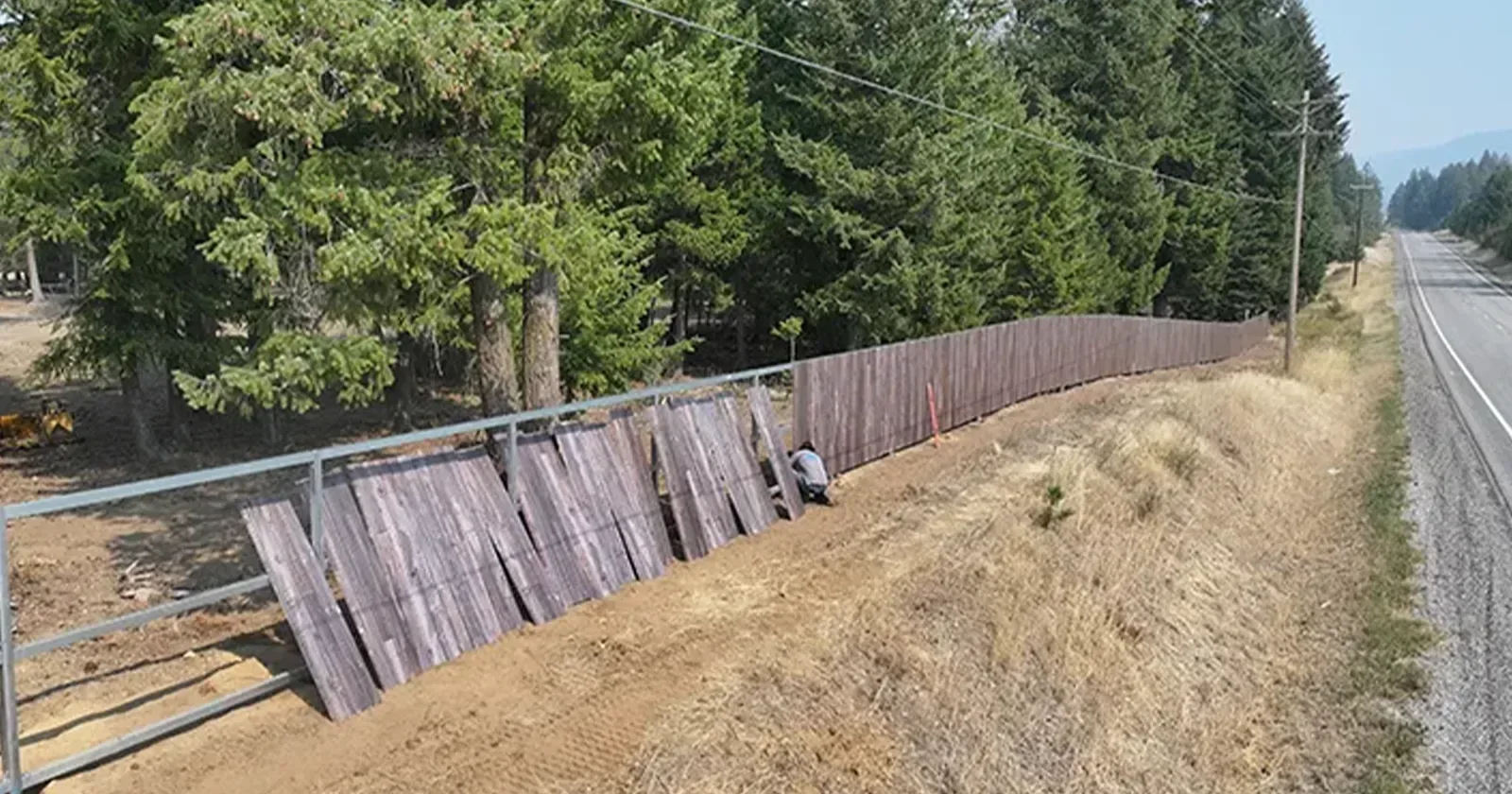
You can, but it’s a bigger job than wood or vinyl. Steel panels are heavier, so plan on a helper. They’re also harder to trim on site, which makes the layout step matter even more. And because a steel fence lasts for decades, any mistake in post spacing or alignment is something you’ll look at for a long time.
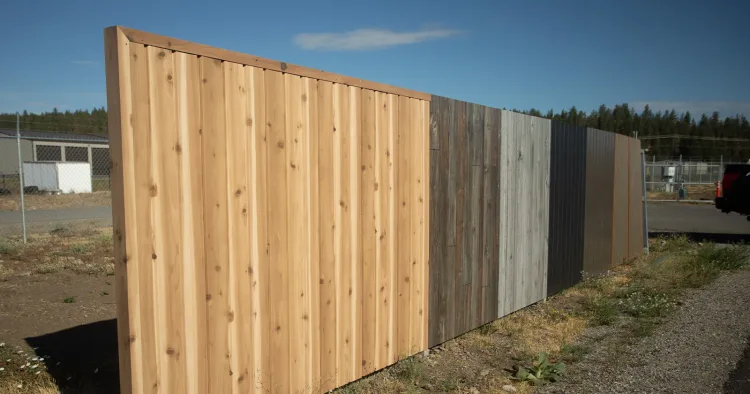
Our fence system uses steel-framed panels on 2.5 inch square tube steel posts, with wood grain printed in high definition from scans of real wood. It needs no painting, staining, or sealing, it’s non-combustible, and it’s rated for 115 mph wind. If you’re weighing a DIY install of a metal fence that looks like wood, give us a call and we’ll talk through your layout and whether doing it yourself makes sense for your property.
When to Hire It Out Instead
- Slopes: Panels have to step or rack down a grade, and that’s where DIY layouts go wrong.
- Rocky or clay soil: Post holes get slow and hard to dig to depth.
- Tall or long runs: More wind load and more chances for a run to drift out of line. Our guide to a 6ft black privacy fence covers what changes at privacy height.
- Wildfire country: If fire protection is the reason you’re fencing, get the details right. See our guide to the best fireproof fencing.
FAQ
Is a DIY fence kit cheaper than hiring an installer?
You save the labor, which is often a big share of the total. You’ll still pay for concrete, tool rental, and your time, and a mistake in the posts can erase the savings.
Do fence kits come with a gate?
Some do, but many sell gates separately. Make sure the gate posts and hardware are matched to the gate you’re hanging, since gate posts carry more load than line posts. Our guide to metal gates with wood infill compares two popular gate styles.
How long does a DIY fence install take?
It depends on the length of the run, your soil, and how many corners and gates you have. Setting posts and letting concrete cure is usually the longest part.
The Bottom Line
A do it yourself fence kit takes the guesswork out of ordering parts. The work that decides how the fence looks and lasts is still the layout and the posts, so take your time there. For a fence you’ll never have to stain, give us a call to talk through a steel fence for your property, or request free samples of our wood-look finishes.
Get a Quote
Find the Best Panel for Your Next Project
Fill out the form below and our team will get back to you within 24 hours with pricing and availability.
E-mail
sales@metalamerica.com
Phone number
855-638-2587