
First Published: May 26, 2026 Last Update: June 30, 2026
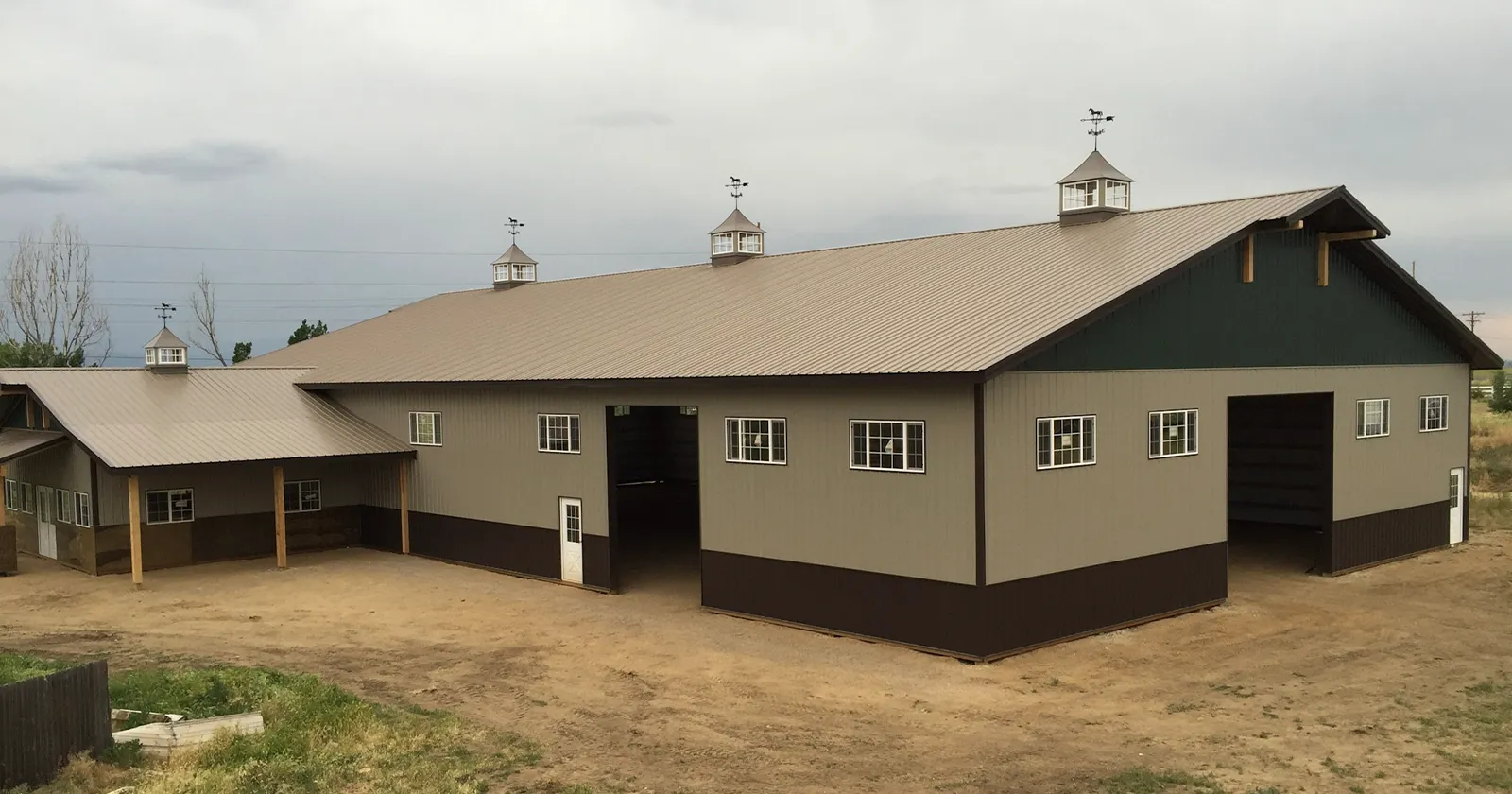
Metal roofing for agricultural buildings is, without question, the most durable and cost-effective roofing solution available for barns, pole barns, equipment sheds, and farm structures of all kinds. If you own or manage farm property in Idaho, Washington, Oregon, or Montana, you already know how much punishment a roof takes from heavy snow, driving rain, high winds, and blazing summer sun. The right roofing panels can protect your investment for 40 years or more. The wrong choice leaves you patching, replacing, and spending money you did not plan to spend.
This guide covers the full picture: which panel types work best on farm buildings, what gauges and coatings to look for, how metal holds up against the Pacific Northwest climate, and what to ask before you order. Whether you are reroofing a century-old hay barn or putting the finishing touches on a new pole building, this resource has you covered.
Why Metal Roofing Is the Standard for Farm Buildings
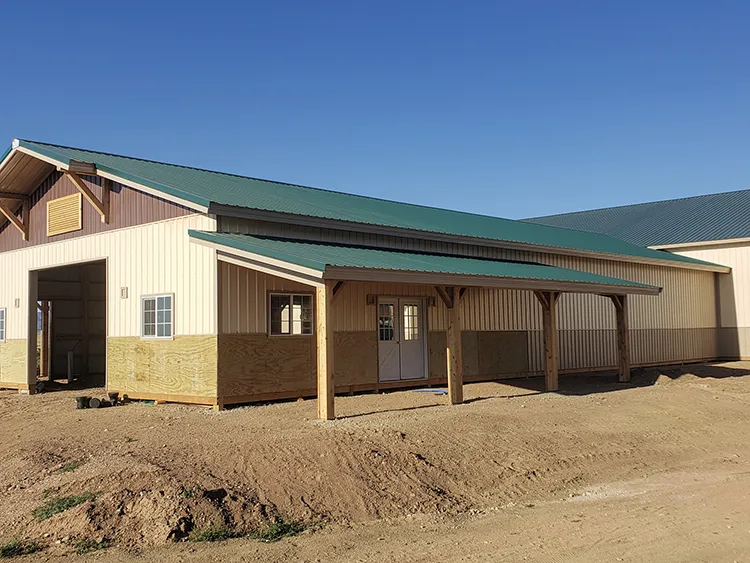
Agricultural buildings take a different kind of abuse than residential or commercial structures. Wide, clear-span roofs carry serious snow loads. Livestock barns generate heat and moisture from the inside out. Equipment sheds need to shed water fast and resist impact from hail, debris, and the occasional errant piece of farm equipment.
Metal roofing handles all of that better than any alternative. Here is why farmers across the region have been choosing metal panels for generations, and why the material continues to be the go-to choice today.
Longevity That Outlasts the Building Loan
A properly installed metal roof on a farm building can last 40 to 60 years depending on the panel type, coating quality, and local conditions. Compare that to asphalt or wood shingles, which typically need replacement every 15 to 20 years on agricultural structures due to the mechanical stress and moisture exposure they deal with constantly.
When you factor in the cost of materials and labor across multiple roof replacements, metal pays for itself several times over. A 40-year painted finish warranty on a premium panel means less worry and fewer surprise expenses over the life of the building.
Low Maintenance Over a Long Life
Farm buildings do not get the same regular maintenance attention that homes do. A metal roof is designed with that reality in mind. Once installed correctly with proper flashing and fasteners, a quality metal panel system requires very little upkeep beyond an occasional inspection and cleaning.
Exposed fastener panels do have screws with neoprene washers that should be checked every several years, but that is a minor task compared to the patching, sealing, and replacing that other roofing materials demand.
Structural Performance Under Load
Snow loads are a serious concern for farm buildings across Idaho, Montana, and the higher elevations of Washington and Oregon. Metal panels shed snow better than any other roofing material when installed on an appropriate slope. The smooth surface allows snow to slide off rather than accumulate, reducing structural stress on trusses, posts, and purlins.
Choosing the right gauge panel for your roof’s span and expected load is critical. This is one area where working with a knowledgeable panel supplier makes a real difference.
Fire Resistance
Metal is non-combustible, which matters on a farm property. Whether you are storing hay, machinery, or livestock, having a roof that will not fuel a fire provides real protection for your assets and, in many cases, affects your insurance premiums.
Agricultural Metal Roofing Panel Types
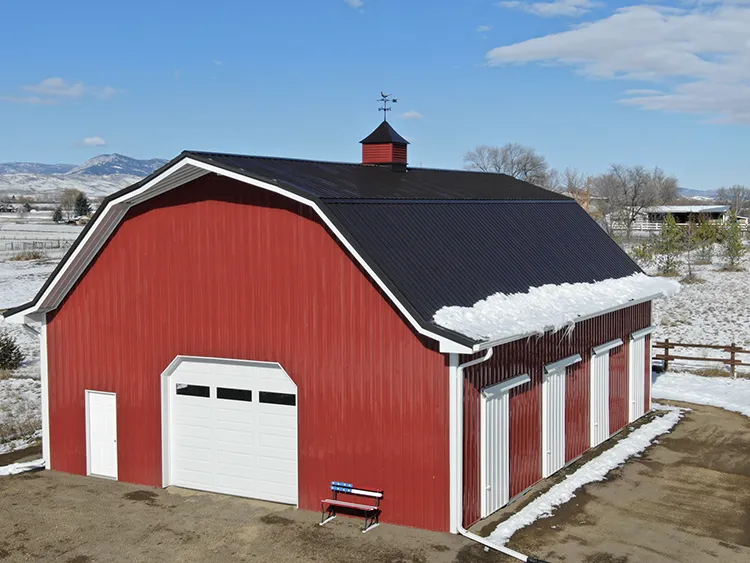
Not all metal roofing panels are the same, and the differences matter when you are choosing materials for a working farm building. Agricultural roofing panels generally fall into two categories: exposed fastener panels and concealed fastener panels. Most farm buildings use exposed fastener systems because of their cost efficiency, ease of installation, and performance track record in agricultural settings.
Exposed Fastener Panels for Farm Buildings
Exposed fastener panels are the workhorses of agricultural roofing. Screws pass through the face of the panel into the purlin below, making installation fast and straightforward. These panels are available at a lower cost than concealed fastener systems and are perfectly suited to the demands of barn, shed, and pole building roofs.
Metal America offers three primary exposed fastener panels that work well on farm structures.
Tuff Rib
Tuff Rib is one of the most widely used agricultural roofing panels in the Pacific Northwest. Its ribbed profile provides strength across wide spans, sheds water quickly, and installs efficiently on both new construction and reroofing projects. Tuff Rib is available in 26 and 29 gauge and comes in a full range of Sherwin-Williams WeatherXL SMP colors.
PBR Panel
The PBR (Purlin Bearing Rib) panel is a structural exposed fastener panel with a deeper rib profile that provides additional load-bearing capacity. It is the preferred choice for larger agricultural structures with longer purlin spans and heavier snow load requirements. PBR is available in 22, 24, and 26 gauge, making it one of the more versatile options on the market for serious farm building applications.
7/8″ Corrugated
Corrugated metal roofing has been used on farm buildings for over a century, and it remains a solid choice for utility buildings, older barn replacement roofs, and applications where a more traditional agricultural look is preferred. Metal America’s 7/8 inch corrugated panel offers a deep profile with good water-shedding performance and is available in multiple gauges.
Concealed Fastener Panels for Agricultural Use
While most agricultural roofing projects use exposed fastener panels, there are situations where a concealed fastener or standing seam panel makes sense. Farm homes, barndominiums, and higher-end rural structures often use standing seam systems for the cleaner appearance, superior weather resistance, and long-term performance advantage.
Metal America’s QuickLoc standing seam panel is a snap-lock system that works well on residential-style farm structures and barn-home hybrids. If you are building a barndominium or a high-end shop with living quarters, a standing seam roof is worth the additional investment.
Panel Comparison at a Glance
| Panel | Profile Type | Best For | Common Gauges |
| Tuff Rib | Exposed fastener, ribbed | General farm buildings, sheds, barns | 26 ga, 29 ga |
| PBR Panel | Exposed fastener, structural rib | Pole barns, heavy-load ag buildings | 22 ga, 24 ga, 26 ga |
| 7/8″ Corrugated | Exposed fastener, corrugated wave | Utility buildings, older barn replacements | 26 ga, 29 ga |
| QuickLoc Standing Seam | Concealed fastener, snap lock | Premium farm homes, barndominiums | 24 ga, 26 ga |
Choosing the Right Gauge for Agricultural Roofing
Gauge is the thickness of the steel panel, and it is one of the most important specifications to get right on a farm building roof. The gauge numbering system runs counterintuitively: a lower number means a thicker, heavier panel.
Here is a practical breakdown for agricultural applications.
29 Gauge
The lightest common option for agricultural roofing. It works fine on small utility buildings, open sheds, and structures with closely spaced purlins and minimal snow load. If you are in a lower-elevation area with mild winters, 29 gauge on a Tuff Rib or corrugated panel can be a budget-friendly choice for simple outbuildings.
26 Gauge
The most popular gauge for agricultural roofing in the Pacific Northwest. It offers a solid balance of strength, weight, and cost, and it holds up well under the snow loads and wind conditions typical across Idaho, Washington, Oregon, and Montana. Most Tuff Rib and corrugated panel orders for farm buildings land at 26 gauge.
24 Gauge
A step up in thickness and performance. Recommended for pole barns with wider purlin spacing, buildings in high snow load zones, and structures where long-term durability is the priority. PBR panels at 24 gauge are a common choice for larger farm equipment storage buildings and commercial ag structures.
22 Gauge
The heaviest option for standard agricultural applications. Used on large commercial farm structures, wide-span buildings with significant load requirements, and premium PBR installations. Less common than 24 gauge but available when the project demands maximum structural performance from the panel itself.
Paint Systems and Coatings for Farm Building Roofing
The coating on an agricultural metal roofing panel is not just about color. It is the primary layer of protection between the steel substrate and the environment. A quality paint system on a farm building panel needs to resist UV degradation, handle temperature swings from Idaho summer heat to mountain winter cold, and stand up to the moisture and chemical exposure that agricultural environments produce.
Sherwin-Williams WeatherXL SMP
Metal America uses Sherwin-Williams WeatherXL SMP (siliconized modified polyester) coatings on its agricultural panels. WeatherXL is a premium agricultural and commercial paint system that provides long-lasting color retention, resistance to chalking, and durability in demanding outdoor environments.
WeatherXL carries a 40-year fade warranty and a 40-year chalk warranty, which aligns well with the long service life you should expect from a quality metal roof on a farm building. The coating is applied over a galvanized or Galvalume steel substrate for corrosion protection at the foundation level.
Galvalume vs. Galvanized Substrate
Beneath the paint system, agricultural metal panels are typically built on either a galvanized or Galvalume steel substrate. Both provide corrosion resistance, but they work differently.
Galvanized steel is coated with a zinc layer that protects against rust through both barrier protection and sacrificial protection, meaning the zinc corrodes before the steel does. Galvanized panels have been used on farm buildings for generations and remain a reliable choice.
Galvalume is an alloy coating of zinc, aluminum, and silicon that offers superior corrosion resistance compared to galvanized steel, particularly in environments with prolonged moisture exposure. For farm buildings in wetter climates or with higher interior humidity, Galvalume-based panels offer an advantage.
Coating Comparison
| Coating | Paint System | Warranty | Best Environment |
| WeatherXL SMP | Sherwin-Williams SMP | 40-year fade, 40-year chalk | General ag, barns, sheds |
| Standard Polyester | Polyester primer + topcoat | Standard warranty | Budget ag projects |
Color Options for Agricultural Metal Roofing
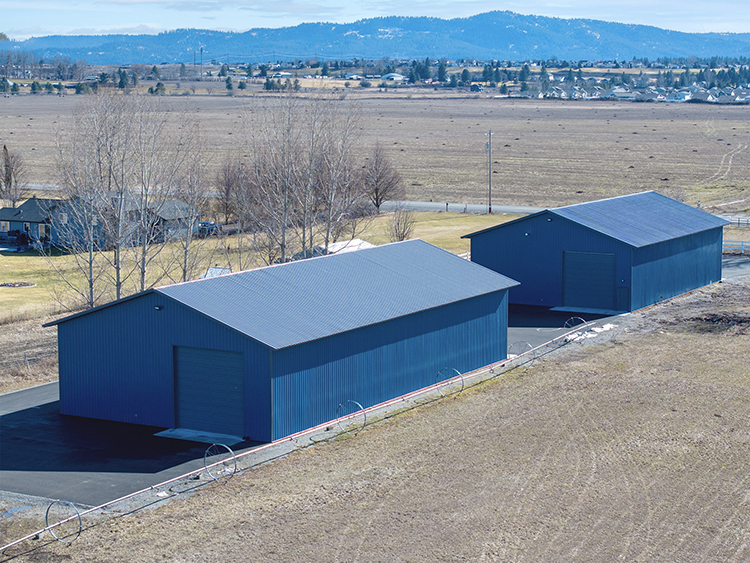
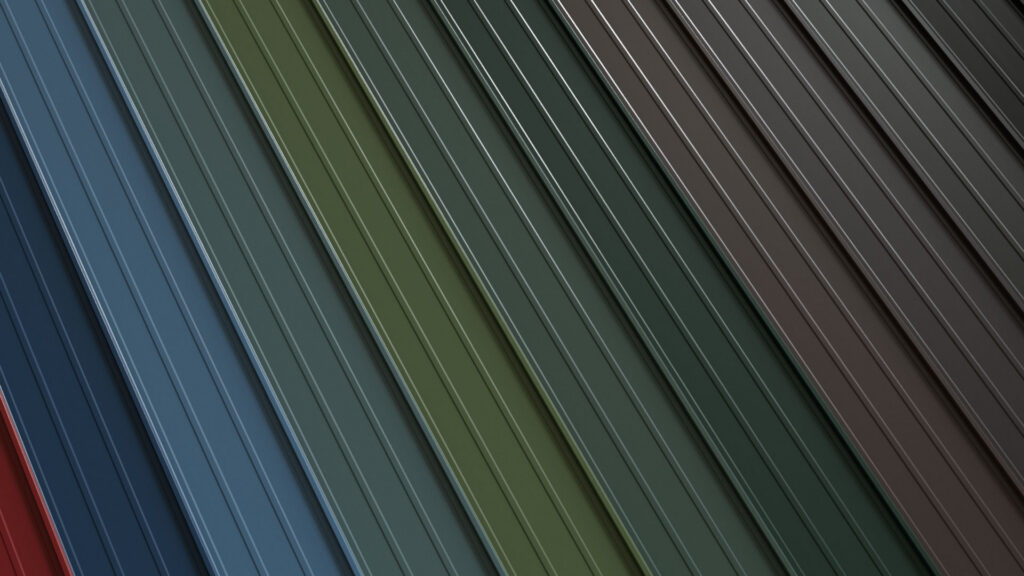
Farm buildings do not have to be barn red and galvanized silver anymore. Metal America’s agricultural panels are available in a wide range of Sherwin-Williams WeatherXL colors, from traditional agricultural shades like charcoal gray, forest green, and weathered red to more modern options like slate blue, matte black, and light stone.
Choosing the right color for a farm building goes beyond aesthetics. Lighter roof colors reflect more solar heat, which can be beneficial in equipment storage buildings where interior temperature matters. Darker colors absorb more heat, which is sometimes preferred in colder climates to help melt snow and ice from the roof surface.
Metal America can provide a color chart and physical samples to help you select the right finish for your project before you commit to an order.
Agricultural Metal Roofing in the Pacific Northwest Climate
Farm buildings in Idaho, Washington, Oregon, and Montana face a wide range of climate conditions. A pole barn in the Palouse deals with different challenges than a cattle barn in the Bitterroot Valley or an equipment shed near Bend, Oregon. Understanding those differences helps you make smarter panel selections.
Snow Load Performance
Snow load is the number one structural concern for farm building roofs in most of the Pacific Northwest. Metal panels shed snow faster than any other roofing material when installed on an appropriate slope, typically a minimum of 3:12 for exposed fastener panels. The smooth panel surface allows snow to slide rather than pack.
When calculating your roof’s snow load capacity, work with your structural engineer and factor in both the live load from accumulated snow and the panel’s contribution to the dead load of the roof system. Choosing a heavier gauge panel in high-snowfall areas is a straightforward way to build in additional safety margin.
Wind Resistance
Wind is a significant factor for wide, open farm structures. Metal roofing panels, when properly fastened to a solid purlin system, perform extremely well in high winds. Exposed fastener panels rely on the direct mechanical connection of screws through the panel face, while concealed fastener and standing seam panels use hidden clips that allow for thermal movement while maintaining secure attachment.
For farm buildings in known high-wind areas, work with your supplier to determine the appropriate fastener spacing and panel type for your specific exposure.
Condensation and Interior Moisture
Livestock barns, hay storage facilities, and irrigation equipment buildings generate significant interior moisture. When warm, humid air inside the building meets a cold metal roof surface, condensation can form on the underside of the panels. Left unmanaged, this condensation leads to dripping water, wet insulation, and accelerated corrosion of purlins and structural members.
Managing condensation starts with proper building design, including adequate ventilation at the ridge and eaves. In heated or heavily used ag buildings, adding a vapor retarder or insulated roofing system under the panels significantly reduces condensation risk. This is a topic worth discussing with your panel supplier and your structural contractor before you finalize your building plans.
Key Questions to Ask Before You Order Agricultural Roofing Panels
Buying metal roofing panels for a farm building is not the same as picking up materials at a big-box store. A quality panel supplier will want to understand your project before processing an order, and you should be prepared to provide specifics. Here are the key questions to answer before you call.
What is the roof pitch?
Exposed fastener panels require a minimum pitch to perform correctly. Most manufacturers recommend a minimum of 3:12 for ribbed panels like Tuff Rib and PBR, and some corrugated profiles can go slightly lower. Make sure your building’s roof pitch is within the panel manufacturer’s specifications before ordering.
What is the purlin spacing?
Purlin spacing affects which gauge and panel profile you need. Wider purlin spacing requires a heavier gauge panel to maintain structural performance. Provide your purlin spacing when you contact your supplier so they can confirm the appropriate panel selection for your building.
Do you need custom panel lengths?
Metal America roll forms panels to custom lengths at its Post Falls, Idaho facility. For agricultural buildings with non-standard roof dimensions, custom lengths eliminate waste and reduce the number of field cuts needed during installation. Provide your exact panel length requirements when ordering.
What trim and accessories do you need?
A complete agricultural roofing project requires more than just panels. Ridge cap, eave trim, rake trim, gable trim, and closure strips all play important roles in keeping water out and finishing the installation correctly. Work with your supplier to put together a full trim package before you start the project.
What are the local code requirements?
Agricultural building permits and code requirements vary by county across Idaho, Washington, Oregon, and Montana. Some rural counties have minimal requirements for agricultural structures, while others enforce specific building codes. Verify local requirements before finalizing your material specs.
Metal Roofing vs. Other Agricultural Roofing Options
Metal is the dominant choice for agricultural roofing, but it is worth understanding why competing materials fall short in farm building applications.
Metal vs. Asphalt Shingles
Asphalt shingles are rarely used on agricultural buildings because they do not hold up well on low-slope roofs, they are prone to impact damage from hail and debris, and they require frequent replacement. On farm buildings where a roof might not be closely maintained, asphalt shingles become a liability quickly.
Metal vs. Polycarbonate Panels
Polycarbonate and fiberglass panels are sometimes used on farm structures where natural light is desired, such as greenhouse-style buildings or portions of livestock barns. They work well as a supplement to metal panels but do not offer the same durability or longevity as a full metal panel system. UV degradation is a common long-term problem with polycarbonate roofing in high-sun environments.
Metal vs. Wood Shakes and Shingles
Wood is simply not a practical roofing material for agricultural buildings. It requires regular maintenance, is highly combustible, and does not hold up well in the wet winters and cold temperatures typical of the Pacific Northwest. Metal is the clear choice in any realistic comparison for farm building roofing.
Why Source Your Agricultural Roofing Panels from Metal America
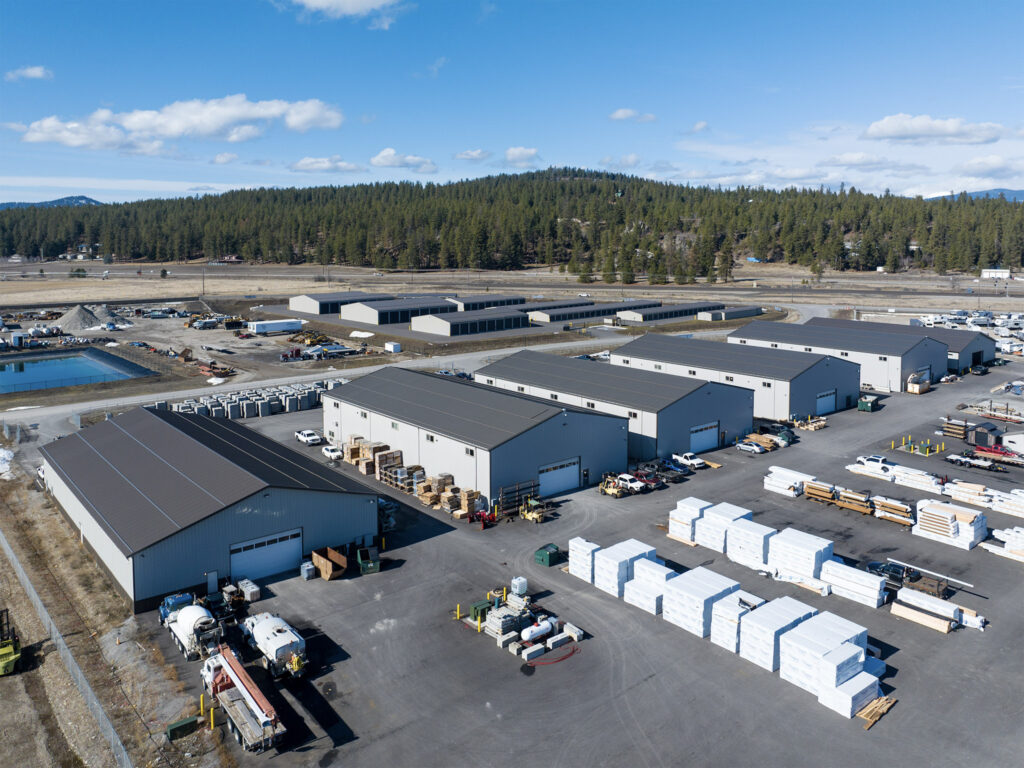
Metal America is a metal roofing and siding panel manufacturer based in Post Falls, Idaho, serving farm and rural property owners across Idaho, Washington, Oregon, and Montana. Panels are roll formed at the Post Falls facility, which means shorter lead times, custom panel lengths, and direct support from people who know the Pacific Northwest market.
For agricultural projects, that local manufacturing advantage matters. You are not waiting on panels shipped from a distant warehouse, and you are working with a supplier that understands the snow load realities of a Coeur d’Alene farm or the wind exposure of an eastern Oregon equipment building.
Metal America supplies both contractors and direct buyers. Whether you are a roofing contractor bidding an agricultural project or a farm owner managing your own build, you can work directly with the Metal America team to put together the right panel package for your building.
Get a Quote
Find the Best Panel for Your Next Project
Fill out the form below and our team will get back to you within 24 hours with pricing and availability.
E-mail
sales@metalamerica.com
Phone number
855-638-2587