
First Published: May 26, 2026 Last Update: May 26, 2026
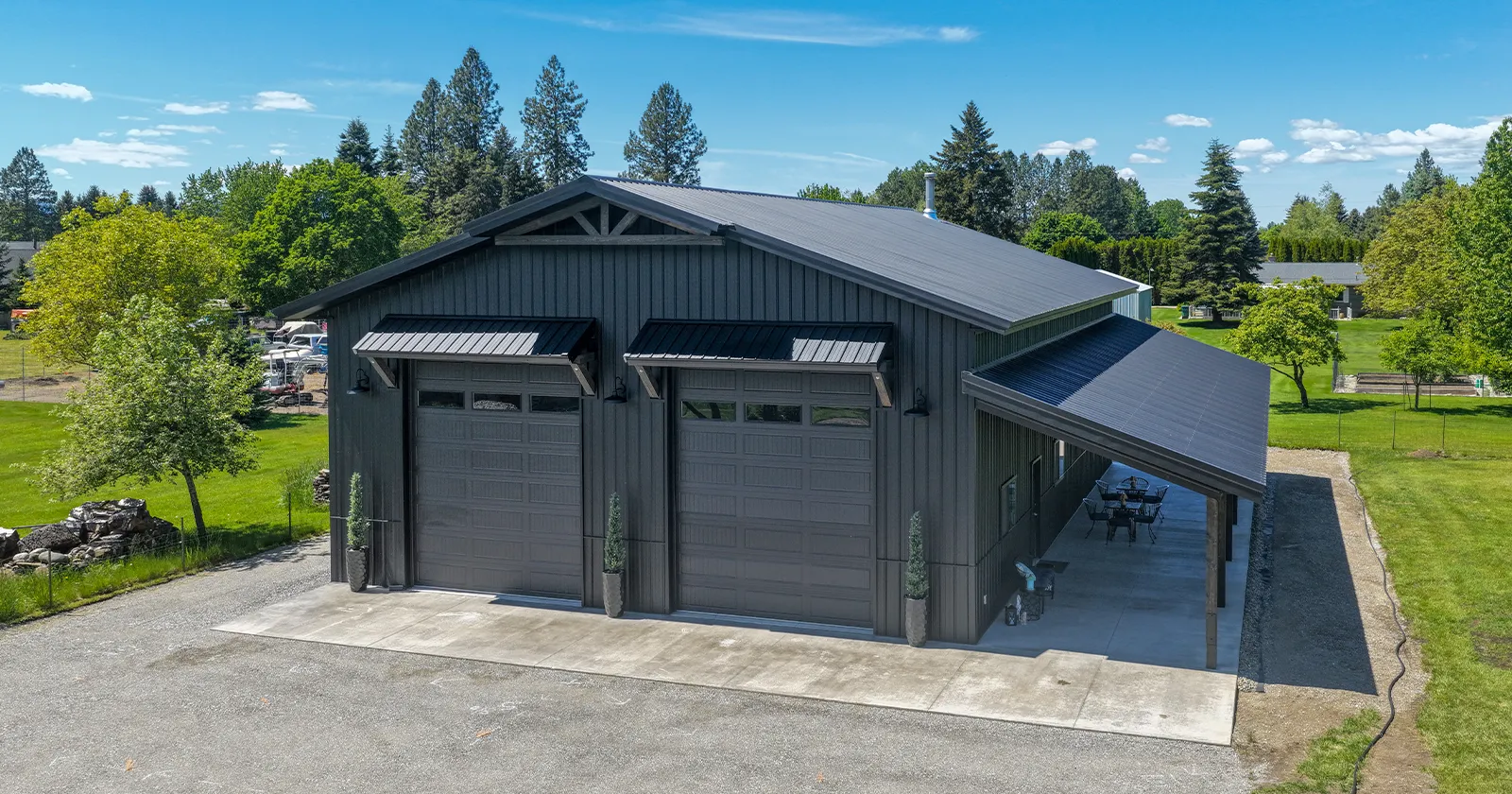
Choosing the best metal roofing for pole barns is not complicated once you understand what the key differences between panels actually are. Walk into any farm supply conversation in Idaho, Washington, Oregon, or Montana and you will hear names like Tuff Rib, PBR, and corrugated thrown around as if everyone already knows what they mean. But for a lot of buyers, the panel selection process is genuinely unclear, and making the wrong call can cost you money and headaches down the road.
This guide breaks down the three main exposed fastener panel options for pole barn roofing, explains what makes each one the right choice for different situations, and gives you the information you need to order confidently from a panel supplier.
One thing to be clear about upfront: this article is specifically about panel selection for pole barn roofing. It does not cover the full building construction process, cost per square foot comparisons, or standing seam systems for residential farm structures. Those topics are covered in other guides.
Why Exposed Fastener Panels Are the Standard for Pole Barn Roofing
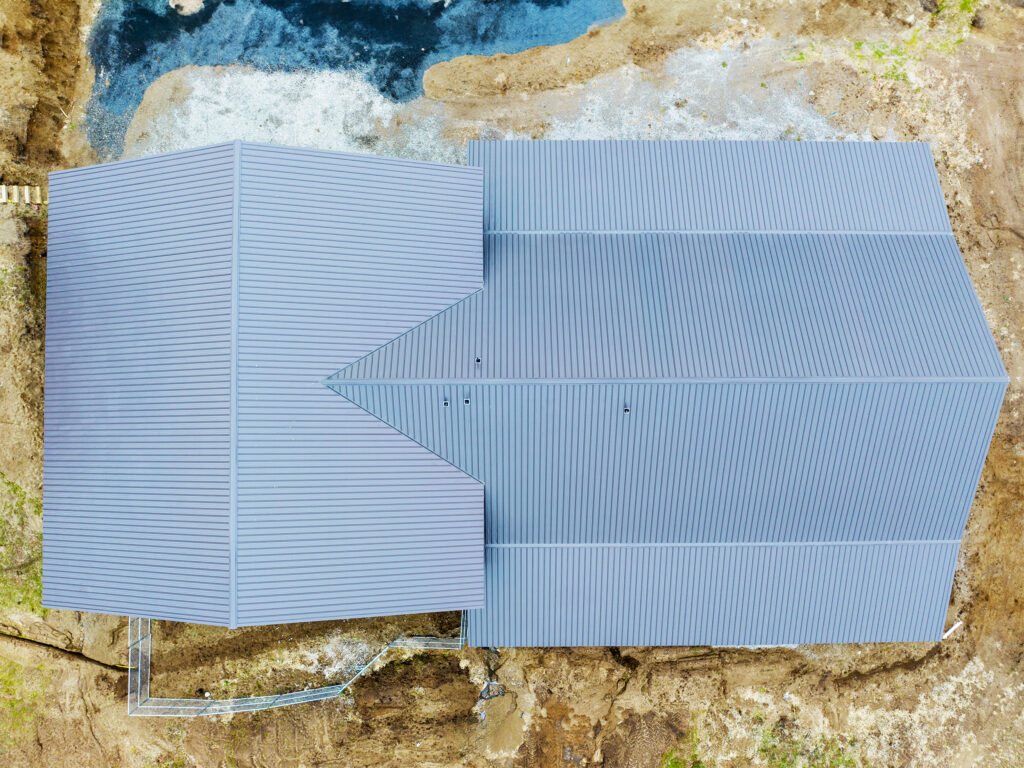
Exposed fastener metal roofing panels are the industry standard for pole barns and agricultural buildings, and they have been for decades. In an exposed fastener system, screws pass directly through the face of the panel and into the purlin below. The screw heads are visible on the finished roof surface, each one covered by a neoprene washer that seals the penetration against water intrusion.
This system is straightforward to install, cost-effective to purchase, widely available in custom lengths, and proven in the demanding conditions of Pacific Northwest farm country. For agricultural buildings where budget efficiency and installation speed matter, exposed fastener panels are the right tool for the job.
The main alternative is a concealed fastener or standing seam system, which hides all fasteners beneath the panel surface. Standing seam is an excellent choice for premium farm structures, barndominiums, and buildings where long-term water tightness and a cleaner aesthetic matter. But for the majority of working pole barns, exposed fastener panels hit the right balance of performance and value.
The Three Main Pole Barn Roofing Panels
Metal America manufactures three exposed fastener panel profiles that are well-suited to agricultural pole barn roofing. Here is a detailed look at each one.
Tuff Rib
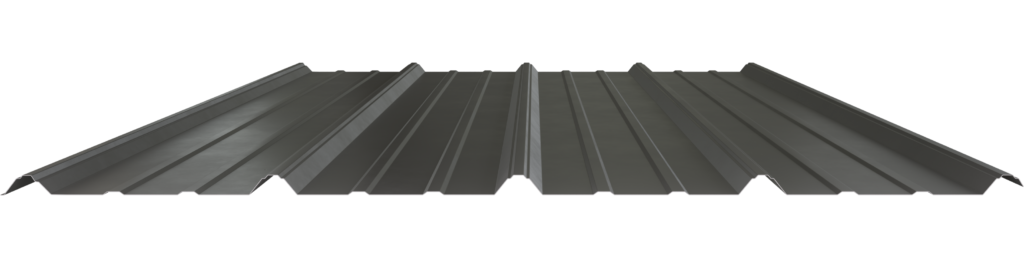
Tuff Rib is one of the most widely used metal roofing panels for pole barns in the Pacific Northwest, and for good reason. It is a ribbed panel with a minor rib profile that provides solid performance across a wide range of building types and sizes. If you are putting a roof on a mid-sized storage barn, hay building, or general-purpose farm structure, Tuff Rib is often the first panel to consider.
Tuff Rib is available in 26 and 29 gauge. For most pole barn applications in Idaho, Washington, Oregon, and Montana, 26 gauge is the recommended choice. It provides better resistance to the snow loads, wind, and temperature cycling the region is known for. The 29 gauge option works fine on smaller utility buildings in lower-elevation areas with minimal snow load.
The panel installs quickly, comes in custom lengths rolled at Metal America’s Post Falls facility, and is available in the full range of Sherwin-Williams WeatherXL SMP colors. This matters on farm buildings more than people expect. Color affects heat absorption, and WeatherXL’s 40-year fade and chalk warranties mean your building will look right for a long time without repainting.
PBR Panel
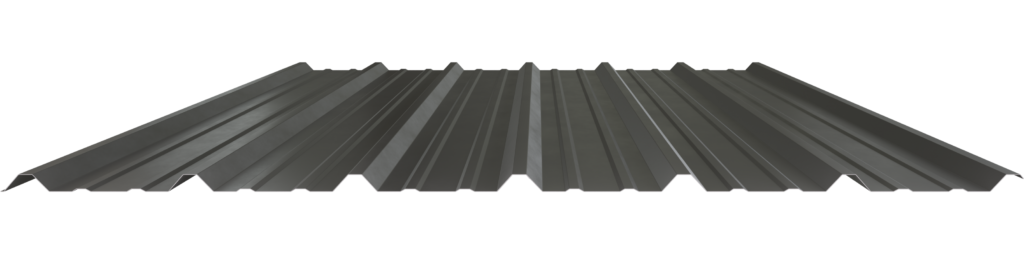
PBR stands for Purlin Bearing Rib, and the name tells you exactly what makes it different. The PBR panel has a deep structural rib profile that is specifically engineered to bear load directly over purlins. This deeper rib gives the PBR panel superior spanning capability and structural strength compared to a standard ribbed panel like Tuff Rib.
For larger pole barns, wide-span agricultural buildings, and structures in high snow load zones, PBR is frequently the right panel. It is available in 22, 24, and 26 gauge, which gives you more options when engineering load requirements drive the gauge selection. A 24 gauge PBR panel on a building in northern Idaho or western Montana, where snow accumulation can be significant, offers meaningful structural advantage over a lighter panel.
PBR is also common on commercial-scale agricultural buildings: large equipment storage facilities, grain handling structures, and multi-bay farm shops. The deeper rib profile handles the combination of panel span, dead load, and live load that these bigger buildings demand.
PBR installs similarly to other exposed fastener panels but requires attention to the purlin bearing rib placement during installation to realize its full structural benefit. Work with a contractor experienced in PBR installation if you are new to the system.
7/8 Inch Corrugated
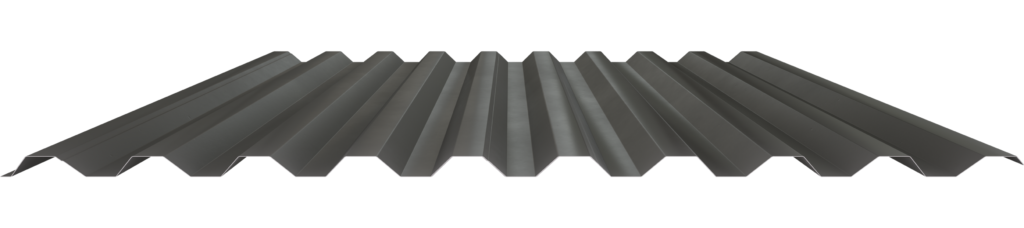
Corrugated metal roofing is one of the oldest and most recognizable profiles in agricultural construction. Metal America’s 7/8 inch corrugated panel features the classic wave profile that has covered barns, sheds, and farm outbuildings across the West for generations.
The 7/8 inch corrugated panel is a solid choice for utility buildings, replacement roofing on older structures designed for corrugated panels, and applications where the traditional corrugated look is preferred. It is available in 26 and 29 gauge and works well on both roofing and siding applications.
One thing to keep in mind with corrugated panels is purlin spacing. The wave profile of corrugated panels typically requires tighter purlin spacing than a deeper rib panel like PBR. Make sure your pole barn’s framing matches the panel manufacturer’s purlin spacing recommendations before ordering.
Corrugated panels also shine in applications where matching an existing agricultural building’s appearance matters, whether you are adding on to an existing structure or reroofing a historic farm building where the corrugated profile is part of the character of the place.
Panel Comparison at a Glance
| Panel | Gauge Options | Rib Depth | Purlin Spacing | Best Use |
| Tuff Rib | 26, 29 ga | Minor rib | Up to 5 ft | Smaller barns, sheds, reroofs |
| PBR Panel | 22, 24, 26 ga | Deep structural rib | Up to 5 ft | Larger pole barns, heavy load ag |
| 7/8″ Corrugated | 26, 29 ga | 7/8″ wave | Up to 4 ft | Utility buildings, traditional look |
Choosing the Right Gauge for Pole Barn Roofing

Gauge selection is the decision that follows panel profile selection, and it is directly tied to your building’s structural requirements. Here is a practical gauge guide for pole barn roofing in the Pacific Northwest.
| Gauge | Thickness | Recommended For | Pacific Northwest Note |
| 29 ga | Lightest | Small sheds, mild snow areas | Adequate for low-elevation utility buildings |
| 26 ga | Standard | Most Pacific NW pole barns | Best all-around choice for the region |
| 24 ga | Heavy | Wide spans, high snow zones | Recommended for mountain-area buildings |
| 22 ga | Heaviest | Large commercial ag structures | Spec-driven projects, wide-span PBR only |
When in doubt about gauge, consult your structural engineer or contact a knowledgeable panel supplier. Over-specifying gauge adds cost; under-specifying it adds risk. The goal is to match gauge to your building’s actual load requirements, not to guess in either direction.
Key Questions Before You Order Pole Barn Roofing Panels
What is the purlin spacing on your building?
This single question affects everything. Your purlin spacing determines which panels are appropriate and which gauge you need. If you have wider purlin spacing, you need a heavier gauge or a deeper rib profile to maintain structural performance. Provide exact purlin spacing to your panel supplier before you order.
What is the roof pitch?
Exposed fastener panels on agricultural buildings typically require a minimum roof pitch of 3:12 for proper water drainage. Some profiles can go slightly lower, but going below the manufacturer’s minimum is a setup for water infiltration problems. Confirm your pitch before selecting a panel.
Do you need custom lengths?
Metal America roll forms panels to custom lengths at its Post Falls, Idaho facility. Custom-length panels reduce field cutting, minimize waste, and speed up installation. For pole barns with non-standard rafter lengths, ordering custom lengths is almost always the right call.
What trim package do you need?
Panels alone do not make a complete roof. You also need ridge cap, eave trim, rake trim, gable trim, and appropriate closure strips. Build your trim package into the order from the start to avoid delays mid-project.
What color are you choosing?
Metal America’s panels are available in Sherwin-Williams WeatherXL colors. Lighter colors reflect more solar heat and can help manage interior temperatures in equipment storage buildings. Darker colors absorb heat, which can be an advantage in colder climates for snow management. Request a color chart or samples before finalizing your order.
Common Mistakes to Avoid When Ordering Pole Barn Roofing Panels
- Ordering by price alone without considering gauge: A 29 gauge panel that costs less per square foot might not be appropriate for your building’s span and snow load. Match gauge to structural requirements, not just budget.
- Forgetting to account for panel overlap in your quantity calculation: Exposed fastener panels overlap at the edges. Make sure your coverage calculation accounts for the overlap, not just the raw square footage of the roof.
- Not ordering trim at the same time as panels: Trim lead times can affect project schedules if not ordered together. Ask your supplier about combined lead times for panels and trim.
- Choosing a panel profile that does not match the existing building: If you are reroofing an existing pole barn, check what panel profile and purlin spacing the building was originally designed for before switching to a different profile.
- Skipping the color sample step: Colors look different on a small printed chart versus a full roof in sunlight. Request physical samples when possible before committing to a color on a large project.
Why Order From Metal America for Your Pole Barn Roofing Panels
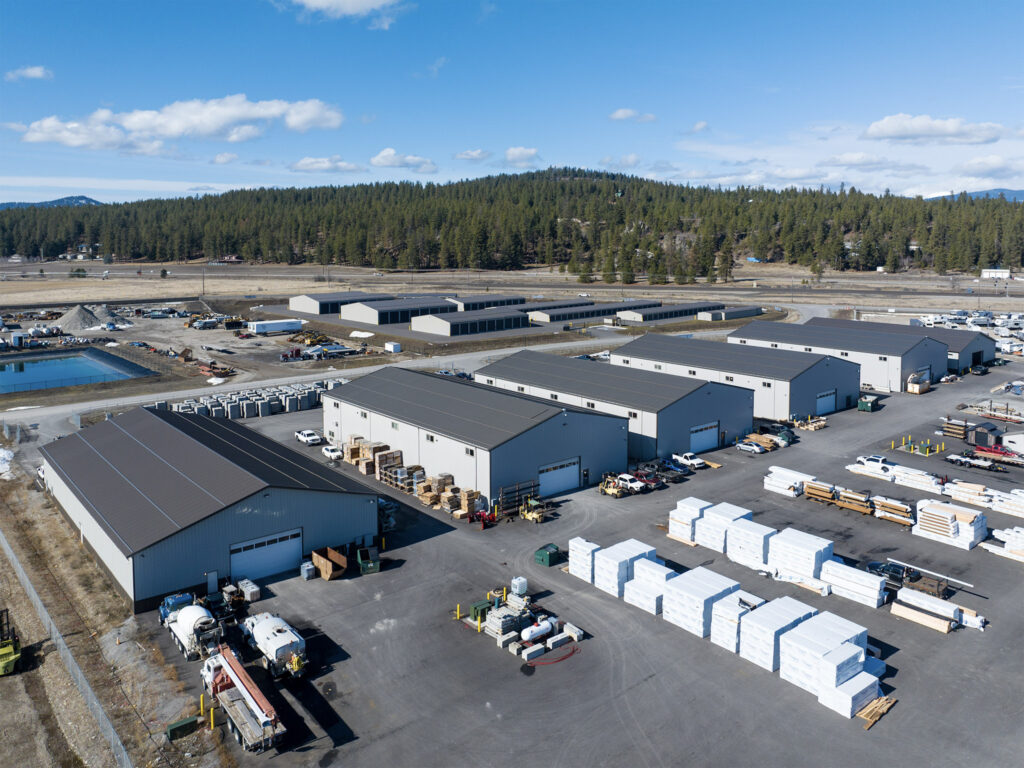
Metal America manufactures Tuff Rib, PBR, and corrugated panels at its Post Falls, Idaho facility, which means custom lengths, direct supplier relationships, and shorter lead times for buyers across Idaho, Washington, Oregon, and Montana.
Whether you are a roofing contractor putting together a material package for a client’s pole barn or a farm owner managing your own build, Metal America works with both. Contact the team with your project specs: panel profile, gauge, lengths, purlin spacing, and color selection, and they will help you put together the right order.
Get a Quote
Find the Best Panel for Your Next Project
Fill out the form below and our team will get back to you within 24 hours with pricing and availability.
E-mail
sales@metalamerica.com
Phone number
855-638-2587