
First Published: June 3, 2026 Last Update: September 3, 2026
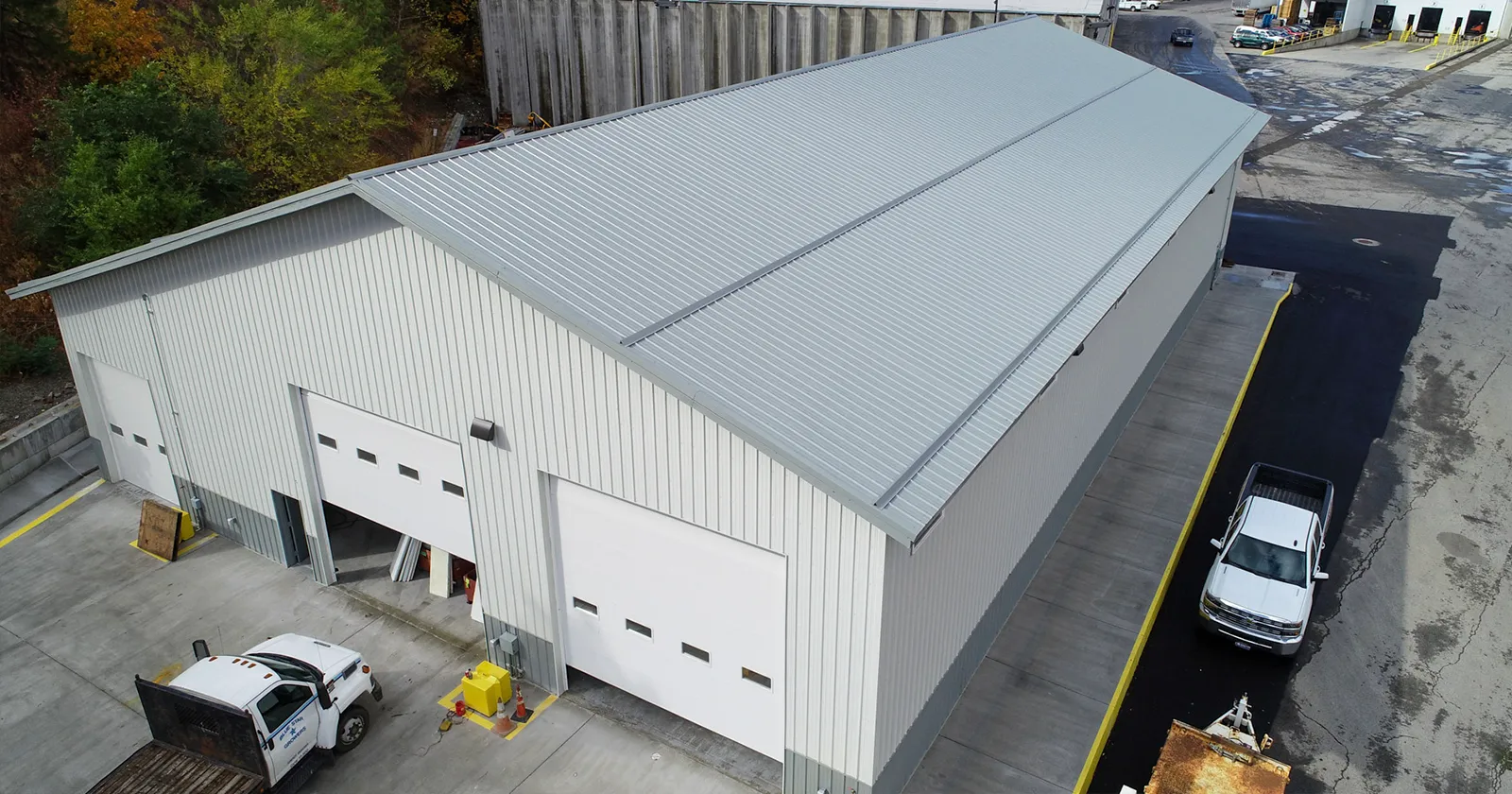
Commercial metal roofing is one of the most practical and durable options available for warehouses, industrial facilities, retail buildings, agricultural operations, and large mixed-use structures. Whether you are a general contractor sourcing panels for a big build, a facilities manager evaluating a reroof, or a roofing contractor expanding into commercial work, this guide covers what you need to know: panel types, system options, gauges, coatings, and how to find a commercial metal roofing supplier you can actually count on.
Why Commercial Buildings Use Metal Roofing
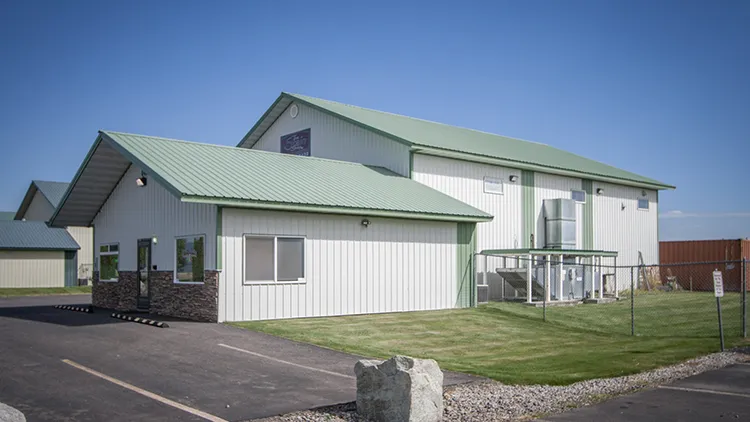
Metal roofing dominates the commercial and industrial building market for good reason. It outperforms most other roofing materials on the factors that matter most at scale: lifespan, maintenance costs, weather resistance, and structural performance.
Here is why commercial contractors and building owners keep coming back to metal:
- Longevity: A properly installed metal roofing system typically lasts 40 to 60 years, far longer than modified bitumen or TPO systems.
- Low maintenance: Unlike membrane roofing, metal panels do not degrade from UV exposure or require frequent recoating.
- Weather performance: Metal roofing handles snow loads, high winds, driving rain, and freeze-thaw cycles without the failure modes common to flat or low-slope membrane systems.
- Fire resistance: Metal is non-combustible, which matters for industrial occupancies and insurance ratings.
- Energy efficiency: Reflective paint systems like Sherwin-Williams WeatherXL SMP coatings reduce heat gain and can lower cooling costs in large buildings.
- Recyclability: Steel roofing panels are made from recycled content and are fully recyclable at end of life, supporting green building goals.
For large-footprint buildings, the economics of metal roofing become even more favorable over time. The higher upfront material cost is offset by dramatically reduced lifecycle costs and a roof that does not need to be replaced multiple times over the building’s service life.
Commercial Metal Roofing Panel Systems: What Are Your Options?
Not all metal roofing panels are the same. Commercial projects require matching the panel system to the building’s structural design, slope, span, and performance requirements. Here is a breakdown of the main panel systems used in commercial metal roofing.
Standing seam (concealed fastener)
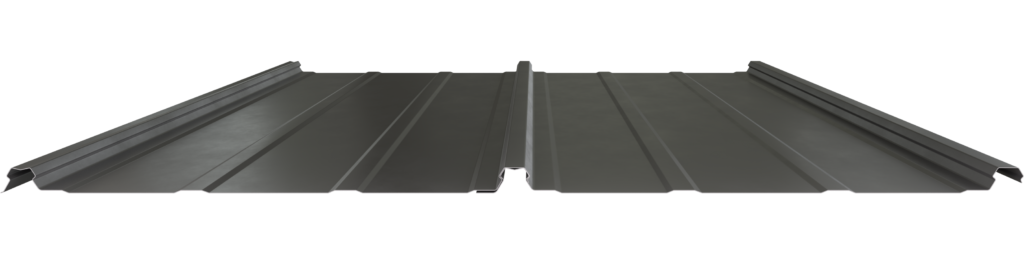
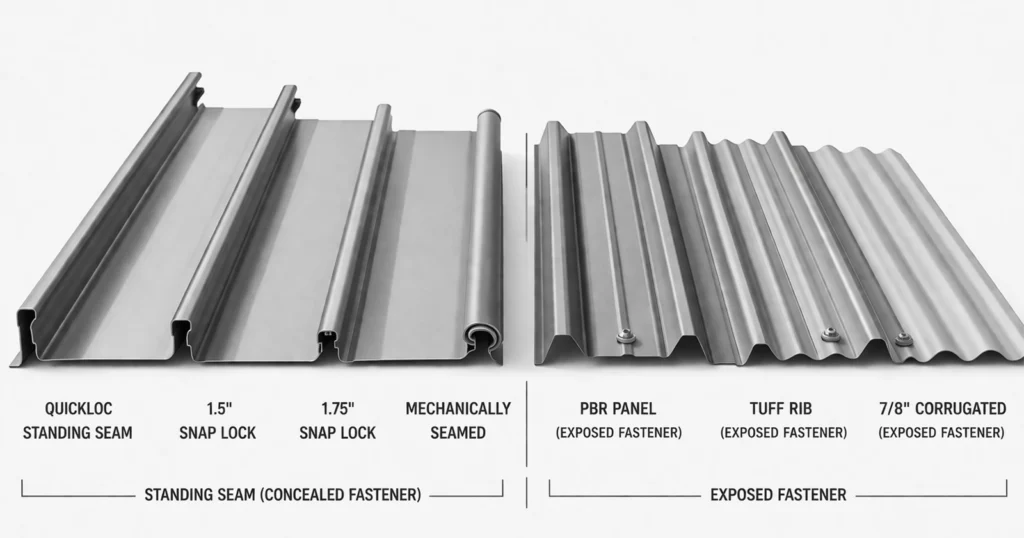
The premium choice. Fasteners are hidden and the panels float on clips, so the roof handles thermal movement and resists leaks. For low-slope commercial roofs, mechanically seamed panels give the best water and wind performance. See standing seam metal roofing for the full range.
Metal America offers several standing seam options suited to commercial work:
| Panel | Seam Height | Best Use |
| QuickLoc Standing Seam | 1.5″ | Residential, light commercial, steep slope |
| 1.5″ Snap Lock | 1.5″ | Commercial buildings, moderate slope, snap-together installation |
| 1.75″ Snap Lock | 1.75″ | Wider spans, commercial and agricultural, added strength |
| Mechanically Seamed | 1.5″ or 2″ | Low slope commercial and industrial, high-wind zones, wide-span roofs |
The mechanically seamed system is particularly important for commercial work on low-slope roofs (as low as 1:12 pitch in some configurations). Mechanical seaming locks the panels together with a powered seaming machine, creating a watertight joint that can handle standing water and extreme weather loading. This is covered in detail in our supporting article on mechanically seamed metal roofing for commercial and low-slope applications.
Exposed fastener (PBR, Tuff Rib)
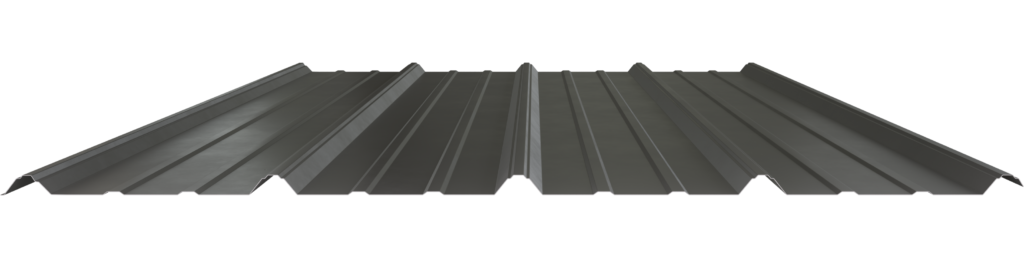
The budget-friendly choice. PBR panels are screwed through the face and install fast, which keeps labor down on large roofs. They’re a great fit for warehouses, shops, and agricultural buildings. See metal roofing for warehouses.
Metal America’s primary exposed fastener panels for commercial and agricultural projects include:
| Panel | Profile | Common Use |
| PBR Panel | 36″ coverage, structural rib profile | Warehouses, commercial buildings, pole barns |
| Tuff Rib | 36″ coverage, trapezoidal rib profile | Agricultural, light commercial, post-frame buildings |
| 7/8″ Corrugated | Traditional sinusoidal profile | Agricultural, siding accent, industrial cladding |
For warehouses and industrial buildings in particular, PBR panels are the most common choice. They are structural, meaning they can span across purlins without additional sheathing, and they install quickly on large-footprint roofs. This panel system is covered in more depth in our guide to metal roofing for warehouses and industrial buildings.
Choosing Between Standing Seam and Exposed Fastener for Commercial Projects
The decision usually comes down to slope, budget, and performance expectations:
| Factor | Standing Seam | Exposed Fastener |
| Roof slope | Works on low and steep slope | Best on 3:12 pitch and steeper |
| Fastener exposure | None (concealed fasteners) | Yes (through-fastened with neoprene washers) |
| Leak risk | Very low | Low on steep slope; increases on low slope over time |
| Material cost | Higher | Lower |
| Installation speed | Moderate | Faster on large roofs |
| Maintenance | Minimal | Periodic fastener inspection recommended |
| Best for | Commercial, industrial, low slope | Agricultural, light commercial, budget builds |
Low slope and gauge
Many commercial roofs are nearly flat. Mechanically seamed standing seam can go as low as a 1:12 pitch. Commercial roofs usually use heavier 22 or 24 gauge steel for strength and wide spans. Our gauge guide shows where each fits.
Cost
Exposed fastener systems cost less up front, while standing seam costs more and lasts longer with less risk. For ranges and what drives the price, see our metal roofing cost guide. Buying panels direct from the manufacturer keeps the price down (MCA).
For most commercial and industrial projects, standing seam is the right long-term call. For agricultural buildings, warehouses on tighter budgets, or projects where steep slope allows it, exposed fastener panels deliver excellent performance at a lower entry cost.
If you’d like to explore this topic in more depth check out our article: Standing Seam vs. Exposed Fastener.
Panel Gauges for Commercial Metal Roofing

Gauge refers to the thickness of the steel used in your panels. In commercial metal roofing, gauge selection affects structural performance, dent resistance, spanning capability, and cost. Thicker panels carry a higher number (lower gauge number = thicker steel, which is counterintuitive but consistent across the industry).
| Gauge | Thickness | Typical Commercial Use |
| 22 gauge | 0.0299″ | High-end commercial standing seam, long spans, architectural applications |
| 24 gauge | 0.0239″ | Most popular for commercial standing seam and premium exposed fastener work |
| 26 gauge | 0.0179″ | Standard exposed fastener commercial and agricultural roofing |
| 29 gauge | 0.0142″ | Budget agricultural and light commercial; not recommended for demanding commercial projects |
For most commercial standing seam applications, 24 gauge is the standard. It offers the right balance of strength, spanning ability, and cost for warehouses, retail buildings, and industrial facilities. 22 gauge steps up for long-span applications, high-wind regions, or premium commercial and architectural projects. 26 gauge works well for exposed fastener panel systems on agricultural and light commercial buildings where spans are shorter and the structure provides additional support.
Coatings and Finishes for Commercial Metal Panels
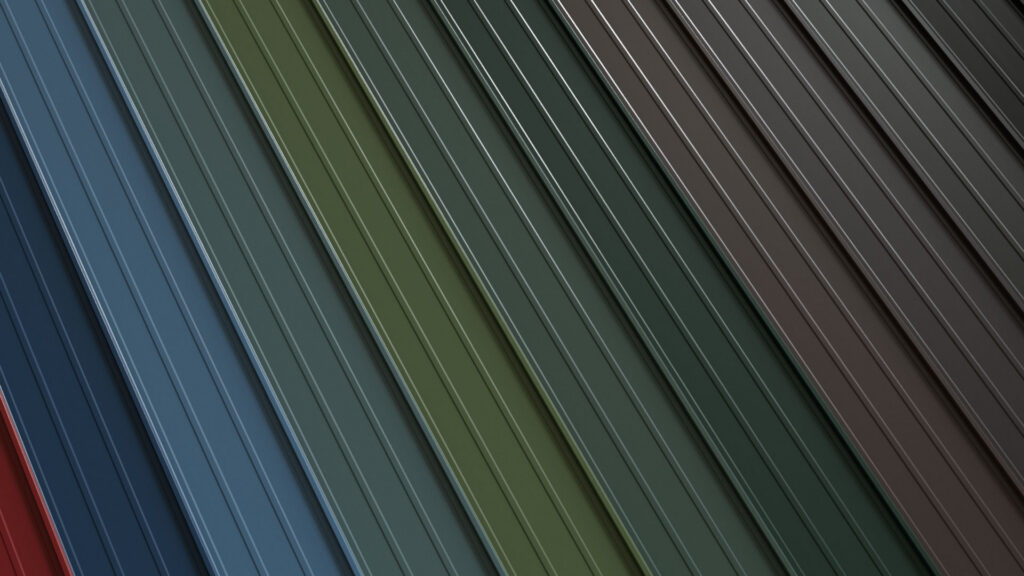
The coating on a metal roofing panel is what protects the steel from the elements and determines how long the finish lasts. For commercial applications, the right coating matters significantly, since a degraded finish can accelerate corrosion on a roof that is supposed to last 50 years.
Metal America uses Sherwin-Williams WeatherXL SMP (Silicone Modified Polyester) coatings on our panel products. Here is what that means for commercial buyers:
- SMP coatings provide excellent UV resistance and color retention in high-sun and high-moisture environments.
- WeatherXL is a commercial-grade coating system designed for the demanding conditions of the Pacific Northwest, including rain, freeze-thaw cycles, and high UV at elevation.
- The coating is applied over a Galvalume or G90 galvanized substrate, providing two layers of corrosion protection: the zinc or zinc-aluminum alloy layer and the paint system above it.
- Color warranty coverage is available on qualifying panel systems and color choices from the Sherwin-Williams palette.
For buildings in coastal environments, industrial zones, or areas with high chemical exposure, discussing specific coating and substrate options with your Metal America rep before ordering is a good idea. Not all panels and substrates are rated the same for every environment.
Commercial Metal Roofing Colors for Large Buildings
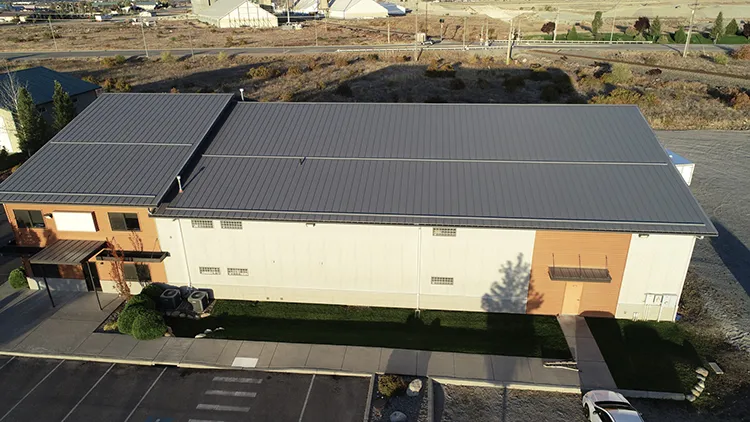
Color selection on commercial buildings is more than an aesthetic decision. The right color can reduce heat gain, support brand identity, and meet local code or HOA requirements.
Metal America offers the full Sherwin-Williams WeatherXL color palette, giving commercial contractors and building owners a wide range of options. A few things to keep in mind for large commercial roofs:
- Lighter colors reflect more solar energy and can contribute to energy efficiency on large warehouse or industrial roofs.
- Darker colors absorb heat but may be preferred in cold climates where snow shedding matters and roof heating is beneficial.
- Neutral and earth tones tend to age well visually on commercial and agricultural buildings.
- Matching roof and siding colors from the same panel system ensures consistent appearance and coating compatibility.
For commercial standing seam projects, color selection should be finalized before ordering since panels are roll-formed to order and color changes after production are not possible.
Trim and Accessories for Commercial Metal Roofing
A metal roofing system is only as watertight as its trim and flashing details. On commercial projects, getting trim right is critical because the scale of the building means any systemic flashing failure affects a large area.
Key trim components for commercial metal roofing include:
- Ridge cap: Covers the peak of the roof and should be sealed with foam closure strips to block wind-driven rain and pests.
- Eave trim: Directs water off the roof edge and into gutters or away from the building foundation.
- Rake trim: Seals the panel edges at the gable ends and provides a finished appearance.
- Valley flashing: Critical on complex roof geometries with intersecting slopes; must be properly lapped and sealed.
- Wall flashing and Z-bar: Seals the transition between the roof panel and a vertical wall surface.
- Endwall and sidewall flashing: Used where the roof meets the building walls in lean-to or attached building configurations.
- Closure strips: Foam or rubber closures fill the space between corrugated or ribbed panels and the trim at eaves and ridges.
Metal America supplies matching trim components in the same coatings and colors as our panel systems. Ordering trim as a package with your panels ensures color and coating compatibility.
Commercial Metal Roofing in the Pacific Northwest: What to Consider
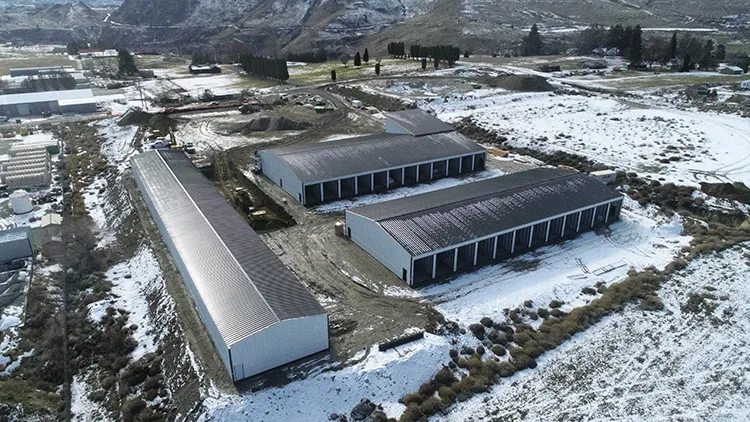
Metal America serves contractors and building owners throughout Idaho, Washington, Oregon, and Montana. Commercial metal roofing in the Pacific Northwest faces some specific performance demands that affect panel and system selection.
Snow Load
Northern Idaho, western Montana, and the mountain regions of Washington and Oregon see significant snowpack. Commercial roofs in these areas need to be designed for snow load, and the panel system needs to handle the structural stress of a heavy snow event.
Standing seam systems with concealed fasteners are particularly good in snow country because there are no exposed fastener penetrations that can leak as snow melts and refreezes around them. Steeper pitches shed snow more readily; low-slope roofs may require structural analysis to confirm adequate load capacity for the project location.
Wind
Eastern Washington and parts of Idaho and Montana can see sustained high winds, particularly in open valley corridors. Panel uplift resistance is a real consideration. Mechanically seamed standing seam systems offer the highest uplift resistance of any panel type. On exposed fastener systems, proper fastener pattern and spacing is critical to achieving code-required uplift ratings.
Rain and Moisture
Western Oregon and western Washington receive heavy annual rainfall. Low-slope roofs in these regions benefit most from standing seam systems, which eliminate the fastener penetrations that are the primary water entry point in exposed fastener systems over time.
Galvalume substrates offer better long-term corrosion resistance than standard galvanized in high-moisture environments, and are the preferred substrate for most Pacific Northwest commercial projects.
How to Source Commercial Metal Roofing Panels Through Metal America
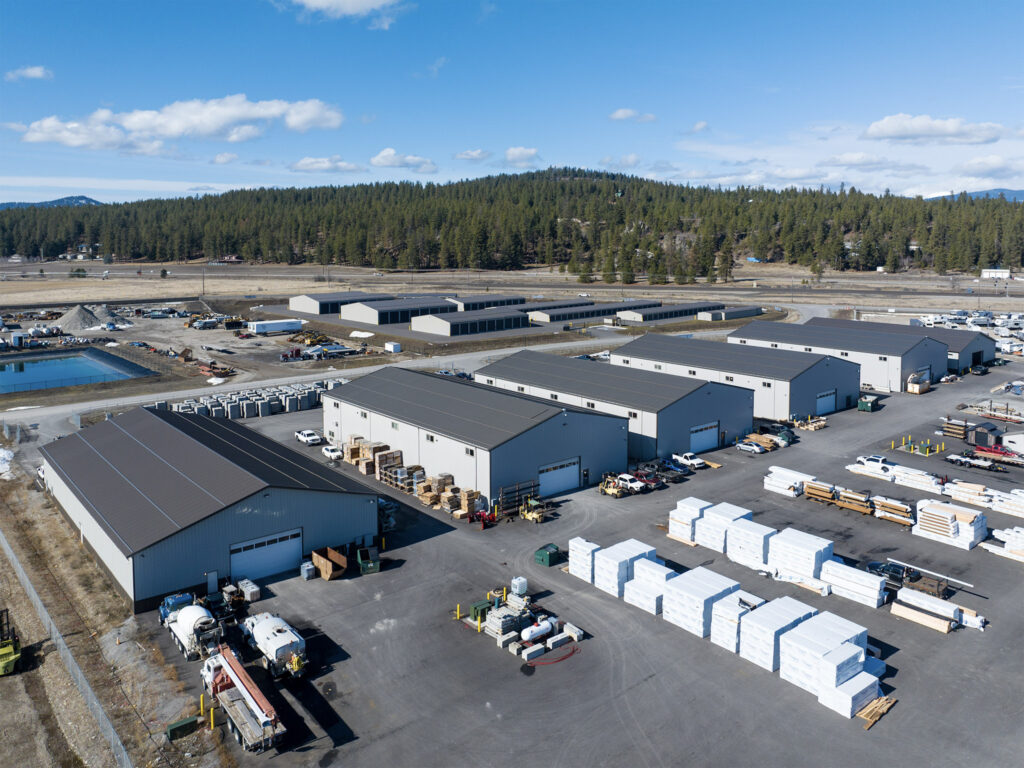
Metal America is a metal panel manufacturer and supplier based in Post Falls, Idaho, serving commercial contractors throughout the Pacific Northwest. Here is how the sourcing process typically works for commercial projects:
Step 1: Project Specs and Panel Selection
Before ordering, the contractor or project manager reviews the building plans and determines the required panel system, gauge, color, and trim package. For standing seam projects, panel width and seam height are confirmed against the structural design.
Step 2: Quote and Takeoff
Metal America works with contractors to develop accurate material takeoffs for commercial projects. Providing roof plan dimensions, slope, panel runs, and trim requirements allows our team to generate a complete quote covering panels, trim, and accessories. We also offer wholesale pricing for all our metal roofing panel orders.
Step 3: Order Placement and Lead Time
Commercial metal panels are roll-formed to order in custom lengths, which means lead times matter for project scheduling. Metal America manufactures in Post Falls, Idaho, which gives Pacific Northwest contractors a significant lead time advantage over suppliers shipping from outside the region. Planning your panel order 3 to 4 weeks ahead of the installation window is standard for most commercial projects, though lead times vary by panel type and current production schedule. Our supporting article on metal roofing panel lead times covers project planning in more detail.
Step 4: Delivery and On-Site Logistics
Commercial projects often involve large quantities of long panels. Coordinating delivery timing with the installation schedule is important. Metal America can discuss delivery logistics and coordinate with contractors on timing for large orders.
On-Site Roll Forming
For large commercial standing seam projects, on-site roll forming eliminates the need to transport long panels and reduces the risk of transit damage. Metal America offers portable roll forming services that allow panels to be formed directly at the job site in continuous lengths. This is particularly useful for very long panel runs on large commercial roofs.
Commercial Metal Roofing vs. Other Commercial Roofing Systems
Metal is not the only option for commercial roofing, and it is worth understanding how it compares to the alternatives that are commonly specified on commercial projects.
| System | Lifespan | Slope Range | Maintenance | Best For |
| Metal (standing seam) | 40-60+ years | Low to steep | Very low | Long-term value, low slope, all climates |
| Metal (exposed fastener) | 25-40 years | Steep preferred | Low (fastener checks) | Agricultural, light commercial, budget builds |
| TPO / EPDM (membrane) | 15-25 years | Flat / low slope | Moderate | Flat commercial roofs, budget short-term |
| Modified bitumen | 15-20 years | Flat / low slope | Moderate to high | Flat roofs, urban commercial |
| Built-up roofing (BUR) | 15-30 years | Flat only | High | Flat commercial, traditional construction |
For most commercial projects that can accommodate any slope, metal roofing wins on total lifecycle value. The higher upfront cost relative to membrane systems is typically recovered within 10 to 15 years through avoided re-roofing cycles and lower maintenance costs.
Finding the Right Commercial Metal Roofing Supplier
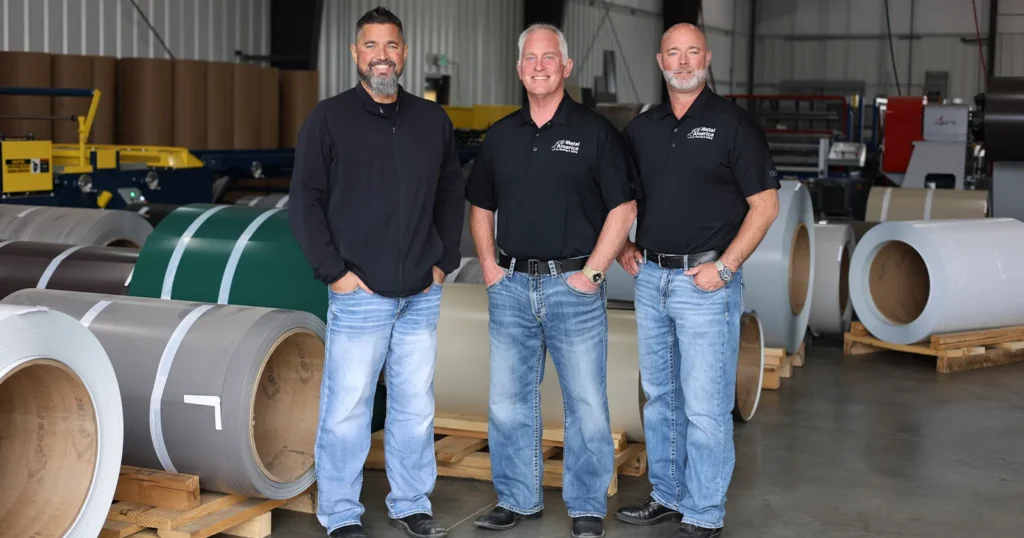
Not all metal panel suppliers are set up to handle the demands of commercial projects. When evaluating a supplier for commercial metal roofing work, there are a few things worth looking for:
- In-house manufacturing: Suppliers that roll-form their own panels have better control over lead times and quality than distributors who source from third parties.
- Custom panel lengths: Commercial projects often require non-standard panel lengths. Confirm the supplier can produce panels in the lengths your project needs.
- Complete trim packages: Getting panels and trim from the same source ensures coating and color consistency.
- Regional proximity: For Pacific Northwest projects, working with a local manufacturer like Metal America in Post Falls reduces lead times and shipping costs compared to sourcing from out-of-region suppliers.
- Technical support: Good suppliers can help with product selection, takeoffs, and installation questions. This matters more on commercial projects where mistakes are expensive.
- Contractor pricing: Commercial contractors should ask about contractor pricing structures, especially if you are purchasing across multiple projects.
Metal America works directly with roofing contractors, general contractors, commercial builders, and industrial facilities teams throughout Idaho, Washington, Oregon, and Montana. If you are sourcing panels for a commercial project in the Pacific Northwest, we can help with product selection, custom lengths, matching trim, and delivery logistics.
Frequently Asked Questions: Commercial Metal Roofing
What is the best metal roofing system for a commercial building?
For most commercial buildings, a standing seam system is the best long-term choice. It offers concealed fasteners (no penetrations to leak), excellent uplift resistance, and compatibility with both steep and low-slope applications. For budget-focused commercial or agricultural projects where the roof slope is adequate, exposed fastener panels like PBR are a solid and cost-effective option.
What gauge should I use for commercial metal roofing?
24 gauge is the standard for commercial standing seam work. 26 gauge is commonly used for exposed fastener systems on commercial and agricultural buildings. For long spans, heavy snow loads, or high-wind applications, stepping up to 22 gauge is worth considering.
How long does commercial metal roofing last?
A properly installed standing seam metal roofing system with a quality SMP coating typically lasts 40 to 60 years or more. Exposed fastener systems generally have a 25 to 40 year service life depending on gauge, coating, and maintenance. Both significantly outperform membrane roofing systems.
Can metal roofing be installed on a low-slope commercial roof?
Yes, with the right panel system. Mechanically seamed standing seam panels can be installed on slopes as low as 1:12 in some configurations, making them viable for low-slope commercial and industrial applications. Exposed fastener panels are generally not recommended on low slopes because fastener penetrations become a leak risk when water sits or flows slowly across the roof surface.
How much does commercial metal roofing cost?
Commercial metal roofing pricing varies based on panel type, gauge, color, coating, custom lengths, trim, and project volume. Standing seam systems cost more per square foot than exposed fastener systems. To get accurate pricing for your commercial project, contact Metal America with your project specs for a quote.
Does Metal America serve commercial contractors outside of Idaho?
Yes. Metal America serves commercial contractors and building owners throughout Idaho, Washington, Oregon, and Montana. We manufacture in Post Falls, Idaho, and ship throughout the Pacific Northwest region.
Ready to Source Commercial Metal Roofing Panels?
Metal America manufactures metal roofing and siding panels in Post Falls, Idaho, for commercial contractors and building projects across the Pacific Northwest. Whether you need standing seam, PBR, mechanically seamed systems, or a complete trim package, our team can help you find the right panels for your project and get them to your job site on your schedule.
Contact Metal America to discuss your commercial project, request a quote, or ask about contractor pricing.
Get a Quote
Find the Best Panel for Your Next Project
Fill out the form below and our team will get back to you within 24 hours with pricing and availability.
E-mail
sales@metalamerica.com
Phone number
855-638-2587