
First Published: August 19, 2026 Last Update: August 19, 2026
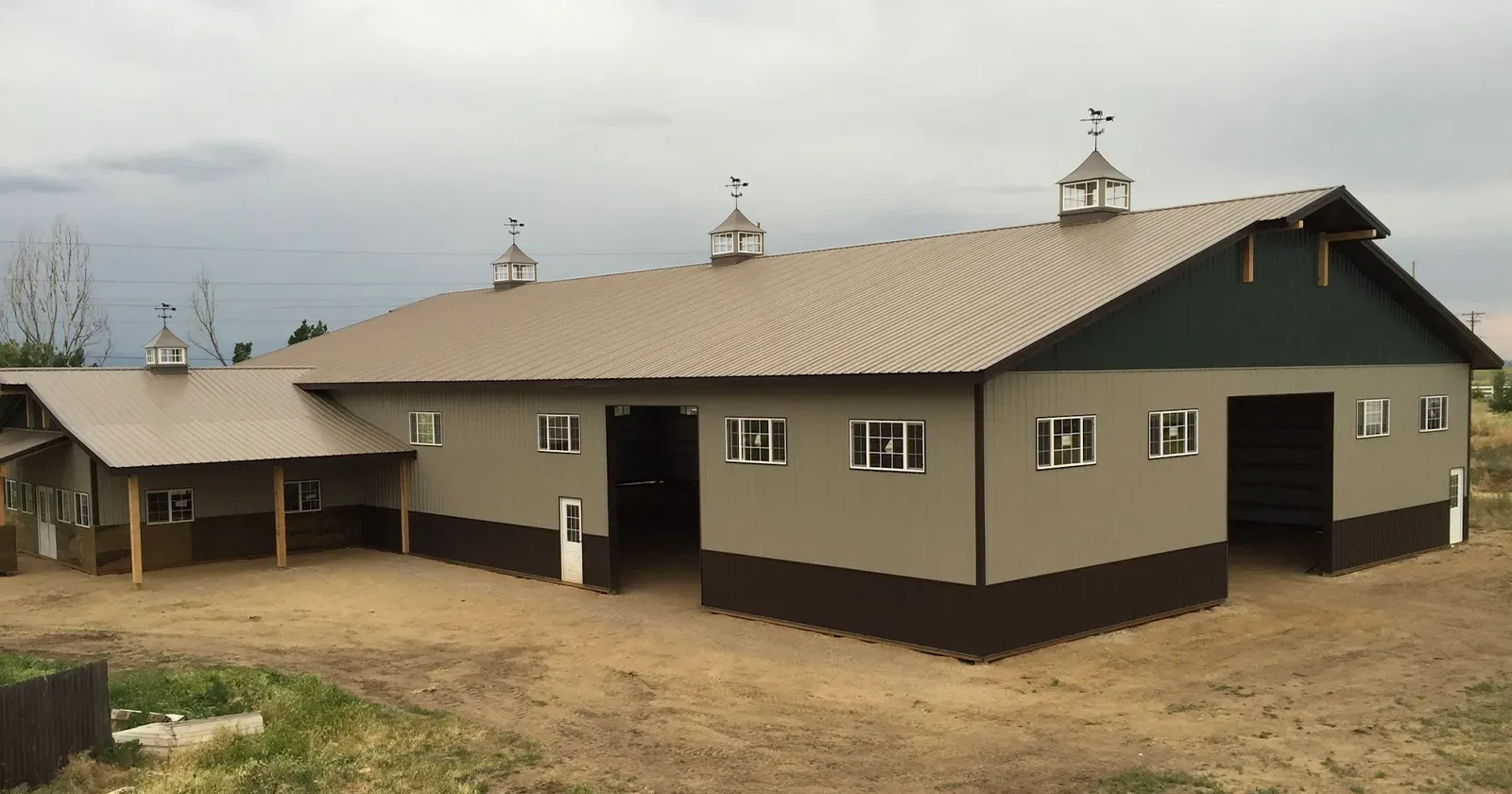
Every metal building comes together at the edges, and that’s where metal trim for metal buildings does its work. Trim covers the seams, corners, and openings that panels alone can’t close. It keeps water and pests out, protects the cut edges of your panels, and gives the whole building a clean, finished line. Here’s the plain-English rundown of the main trim pieces, what each one does, and where it goes.
What counts as metal trim for metal buildings?
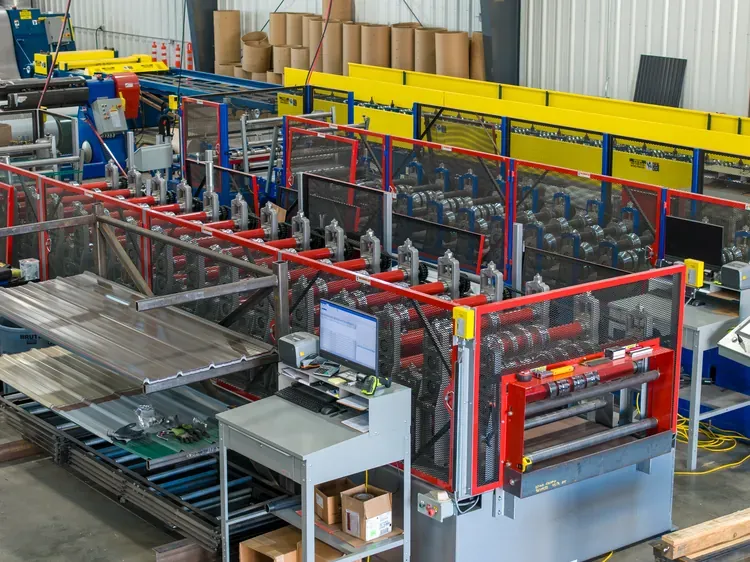
Trim is the flashing and closure that finishes a panel system. Panels handle the big flat runs of roof and wall, and trim handles everywhere they stop or turn: the ridge, the gable ends, the eaves, the corners, and around every window and door. We roll-form trim to match our panels right here in Post Falls, so the color and gauge line up with the roof and walls you’re already ordering. For a piece-by-piece tour, our guide to every metal trim piece on a roof and wall goes deep.
The main trim pieces and where they go
Most metal buildings use the same core set of trim. Here’s what each one does:
| Trim piece | Where it goes | What it does |
|---|---|---|
| Ridge cap | Peak of the roof | Caps the ridge where two slopes meet |
| Rake / gable trim | Sloped roof edges | Finishes the gable ends and seals the panel edge |
| Eave / drip trim | Bottom roof edge | Directs runoff off the fascia and into the gutter |
| Corner trim | Outside wall corners | Covers the seam where two walls meet |
| Base / skirt trim | Bottom of the walls | Closes the wall base against pests and weather |
| J-channel | Around openings | Frames windows, doors, and panel terminations |
The ridge cap is the piece people ask about most, since it sits at the highest, most weather-exposed line on the building. Our metal roofing ridge cap guide covers how to pick one, and the full metal roof trim and ridge cap guide shows how the pieces fit together.
Don’t forget soffit, fascia, and closures
The eave gets its own set of trim: fascia covers the ends of the rafters and soffit closes in the underside of the overhang. Done in metal, both shrug off the wet-dry cycles we get across the Pacific Northwest. See our metal soffit and fascia guide for the details. Trim only seals if it’s fastened right, too, with the correct screws and foam closure strips, which our metal roofing fasteners and screws guide walks through.
Match the trim to the panel and finish
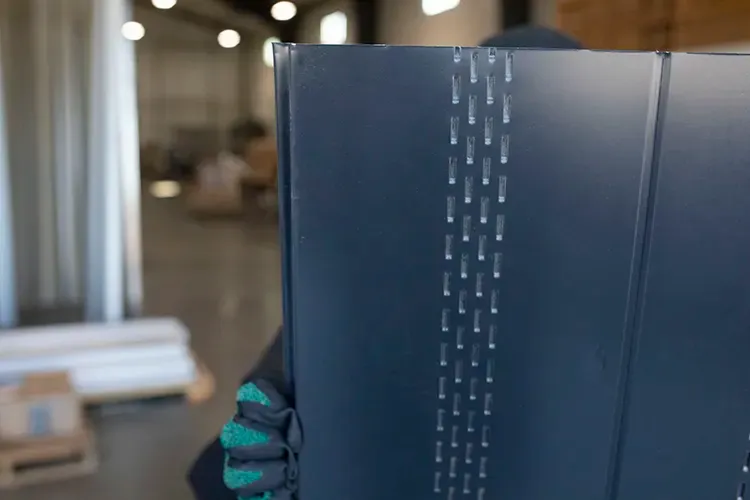
Trim comes in the same 44+ solid colors as our panels, so you can match it to the roof for a seamless look or contrast it to pick out the lines of the building. Order it in the same gauge family as your panels and it all reads as one system rather than a patchwork.
FAQ
What metal trim do I need for a metal building?
At a minimum, most buildings need ridge cap at the peak, rake trim on the gable edges, eave trim at the bottom of the roof, corner trim on the walls, and base trim along the wall bottoms. Openings get J-channel. The exact list depends on your roof style and how many doors and windows you have.
Should trim match or contrast the panels?
Both work. Matching trim gives a clean, monolithic look. Contrasting trim, like a dark ridge and corners against a lighter wall, frames the building and shows off its shape. It’s your call.
Can I order trim without buying panels?
Yes. If you already have panels and just need trim, or you’re patching an existing building, we can roll-form the pieces you need. Give us a call with your profile and color.
The bottom line
Metal trim for metal buildings is what turns a stack of panels into a weather-tight, finished structure. Get the ridge, rake, eave, corner, and base pieces right, match the gauge and color, and the building both lasts longer and looks sharper. Want help building a trim list for your project? Give us a call or request free samples.
Get a Quote
Find the Best Panel for Your Next Project
Fill out the form below and our team will get back to you within 24 hours with pricing and availability.
E-mail
sales@metalamerica.com
Phone number
855-638-2587