
First Published: April 22, 2026 Last Update: April 22, 2026
Metal shiplap siding is one of the most versatile panel profiles available. It transitions naturally from exterior building cladding to interior accent walls, works on everything from barns to modern homes, and delivers a clean horizontal line aesthetic that fits comfortably in industrial, farmhouse, and contemporary design styles.
If you have been researching metal siding panels and shiplap keeps coming up, this guide will give you a clear picture of what the profile is, how it performs on different building types, and where it makes the most sense to specify it over other panel options.
What Is Metal Shiplap Siding?
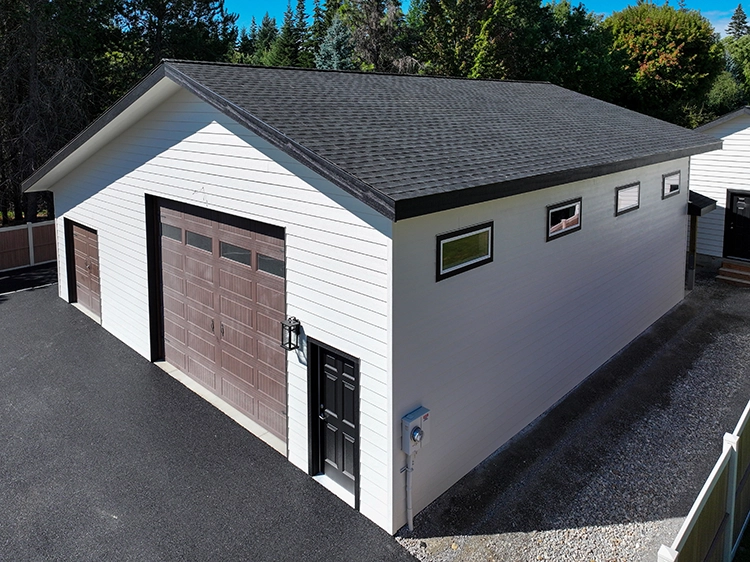
Shiplap is a traditional wood joinery profile where the edge of each board is rabbeted (cut with a step or notch) so that it overlaps slightly with the adjacent board. When installed, the overlapping edges create a tight joint with a distinctive shadow line along each horizontal seam. The result is a clean, linear pattern across the wall surface that is visually simple but architecturally distinctive.
Metal shiplap siding translates this profile into a roll-formed steel panel. The interlocking edge geometry is formed into the steel during manufacturing, so each panel seats cleanly against the next without gaps while creating that characteristic shadow line detail. You get the shiplap aesthetic without the moisture and maintenance issues that come with actual wood shiplap over time.
Metal America’s Shiplap panel is a purpose-built exterior and interior cladding panel designed for applications where that clean horizontal line pattern is the right visual choice.
Metal Shiplap vs. Wood Shiplap
Wood shiplap has had a massive design moment over the past decade, driven largely by its association with modern farmhouse interiors and exterior cladding on upscale residential projects. The look is appealing, warm, textured, and linear. But real wood shiplap comes with some practical limitations that metal eliminates entirely.
Wood shiplap used on exterior applications is exposed to every weather cycle your region throws at it. In the Pacific Northwest, that means sustained moisture exposure, freeze-thaw cycling, and the constant risk of the boards cupping, warping, cracking, or rotting if the installation is not perfectly sealed and maintained. Exterior wood shiplap requires regular painting or staining, and even well-maintained installations have a finite lifespan before replacement.
Metal shiplap does not absorb moisture, so it does not warp or rot. The factory-applied Sherwin-Williams WeatherXL SMP coating used on Metal America panels holds its color without repainting for decades. And unlike wood, metal shiplap is non-combustible, which matters on agricultural buildings and structures in fire-prone areas.
For interior applications, wood shiplap performs better than exterior because it’s not exposed to moisture cycles. But even indoors, metal shiplap is a strong option when you want consistent color, a modern industrial feel, or a material that will not shift or check over time as building humidity changes seasonally.
Where Metal Shiplap Siding Works Best
Exterior Building Siding
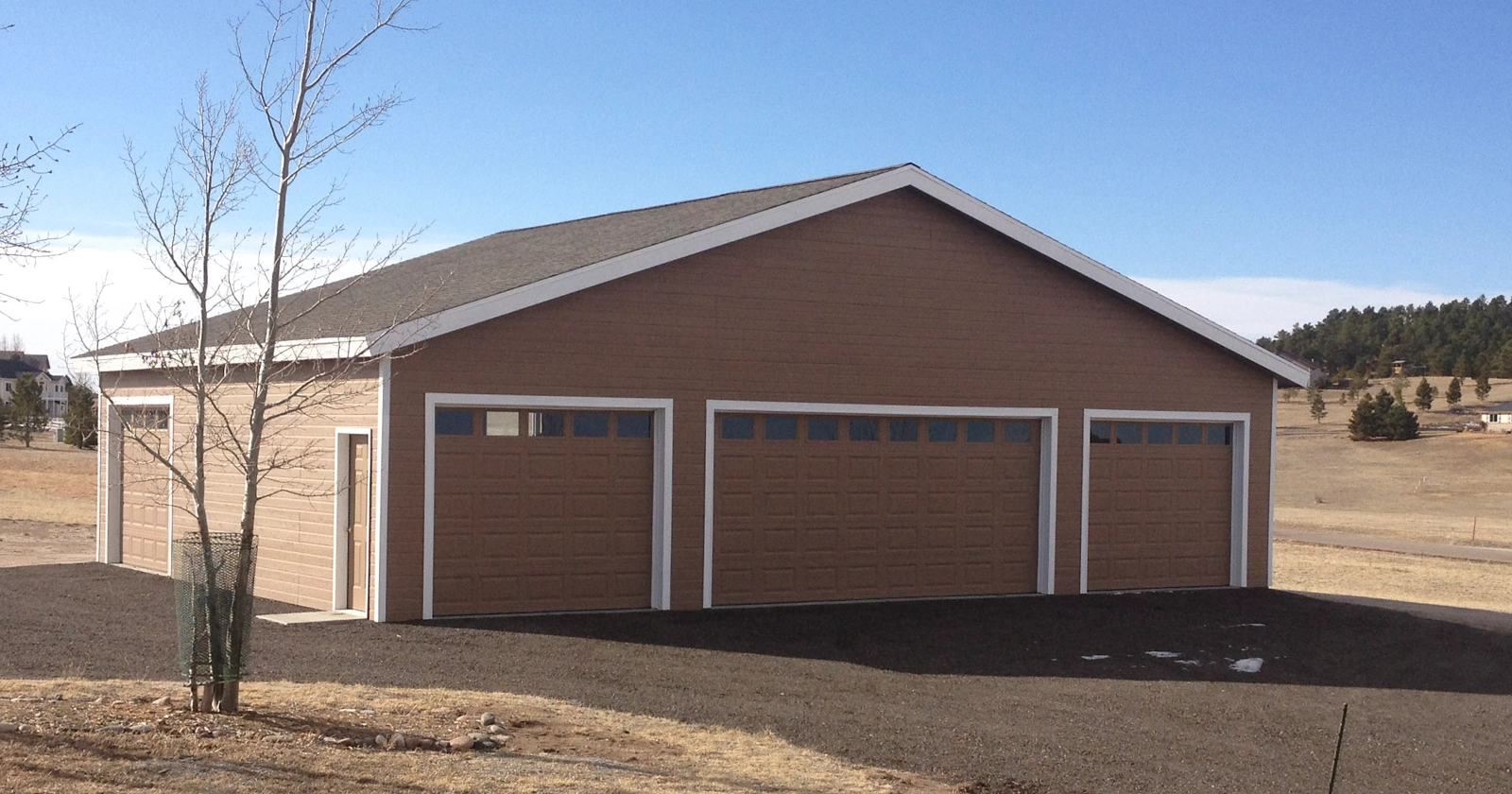
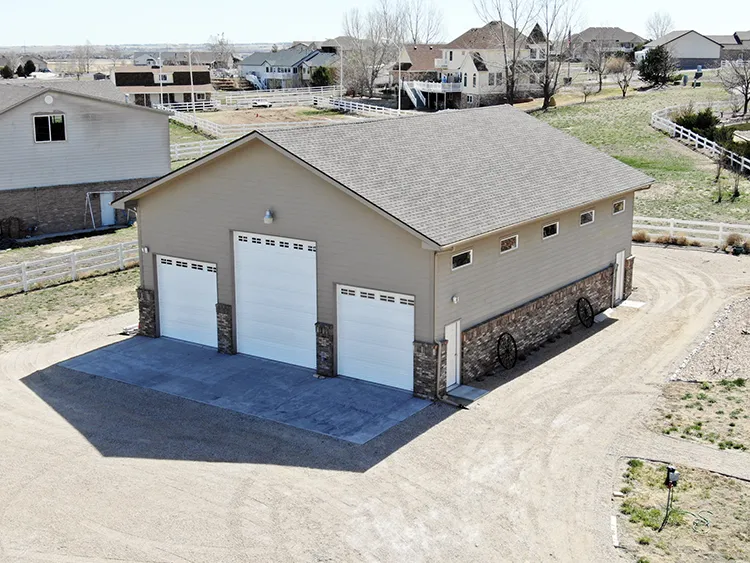
Metal shiplap is a strong exterior siding choice for buildings where horizontal line patterns suit the design direction. Modern and contemporary homes, industrial-style commercial buildings, and mixed-use structures that benefit from a cleaner, more refined exterior than ribbed ag panels provide are all good candidates.
On barndominiums and rural homes, shiplap siding is often used as a complement to board and batten. The two profiles work well together, with board and batten providing vertical line interest on primary wall sections and shiplap used on lower wainscot sections, gable accents, or secondary building facades.
Barn Exteriors and Agricultural Buildings
Metal shiplap is a popular choice for barn exteriors and agricultural buildings where the owner wants something that reads as more finished and deliberate than a standard corrugated or ribbed panel building. Horse barns, hobby farm structures, and agricultural buildings that double as event spaces or visible property features often use shiplap siding for this reason.
The horizontal profile also works particularly well on low-profile agricultural structures such as storage sheds, equipment barns, and outbuildings, where the linear pattern complements the long, wide building geometry.
Interior Accent Walls
One of the most distinctive applications for metal shiplap is interior accent walls. The industrial and modern farmhouse design movements have both embraced metal wall panels for interior use, and shiplap is one of the most versatile profiles for this application.
Interior shiplap accent walls work well in living spaces, dining rooms, entryways, commercial lobbies, restaurant interiors, retail spaces, and any setting where you want to introduce texture, material contrast, and visual interest without heavy construction. Metal shiplap panels are lightweight enough to install directly over drywall, and the factory finish eliminates any on-site painting.
Color plays a big role in interior applications. Lighter neutrals and whites give a clean, bright farmhouse feel. Darker charcoals and near-blacks read as modern and industrial. Natural wood-look specialty prints create warmth without introducing actual wood into the space.
Wainscot Applications
Shiplap is a natural fit for wainscot applications on both interior and exterior walls. Using the panel for the lower portion of a wall (typically from floor to a horizontal trim line at roughly 36 to 42 inches) creates a visual base layer that adds depth and material interest to the overall surface. This approach is common on barndominium interiors, commercial spaces, mudrooms, and entryways.
Soffit and Ceiling Panels
Metal shiplap panels also work for covered porch ceilings, soffit applications, and interior ceiling features. The horizontal profile creates a clean, architectural ceiling surface, and the factory-applied color holds up well in covered outdoor environments where painted wood would quickly deteriorate.
Metal Shiplap Design Ideas
Here are some of the most effective ways builders and designers are using metal shiplap siding on current projects:
Two-Tone Exterior Combinations
Pair shiplap siding in a light neutral (White, Polar White, or Light Stone) as the primary wall panel with a darker accent color on trim, fascia, and soffit. This approach is clean and graphic, works well on modern homes and barndominiums, and creates strong curb appeal without being busy.
Mixed Profile Exteriors
Combine shiplap and board and batten on the same building. Board and batten handles the primary vertical wall sections while shiplap is used on horizontal accent bands, lower wainscot sections, or gable end features. The contrast between horizontal and vertical profiles creates visual rhythm across the facade.
Interior Accent Wall with Contrast Color
On interior applications, using a dark shiplap panel like Charcoal, Midnight Bronze, or a deep navy against lighter wall colors creates a bold focal wall that works in living spaces, home offices, and commercial environments. The metal surface adds material texture that drywall alone cannot provide.
Natural Wood-Look Shiplap
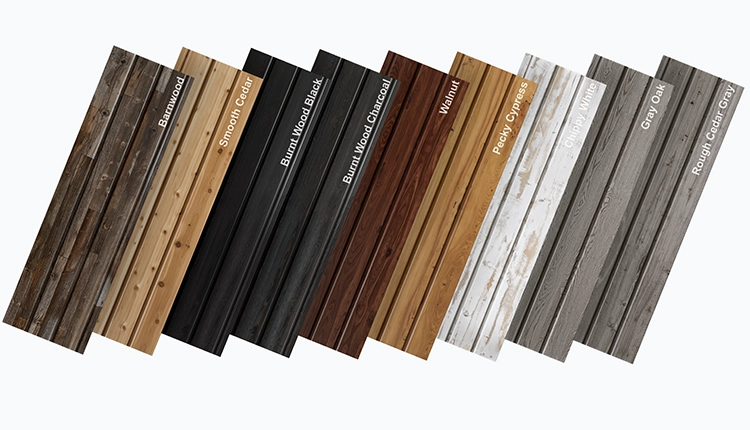
Metal America’s wood-look specialty print panels are available in the shiplap profile, offering barnwood, cedar, and charred wood aesthetics. This is one of the most popular combinations for barndominium and modern farmhouse interiors. You get the visual warmth of natural wood in a panel that will not warp, check, or fade over time.
Metal Shiplap Panel Specs

When specifying metal shiplap siding for your project, here are the key technical considerations:
- Gauge: 26 gauge is the standard recommendation for most exterior siding applications. For interior accent walls, 29 gauge is sometimes used to reduce weight and cost.
- Panel orientation: Shiplap panels run horizontally. This is fundamental to the profile and the interlocking joint geometry.
- Custom lengths: Metal America rolls shiplap panels to custom lengths, which means you specify the exact panel width for your wall sections and panels arrive ready to install with minimal field cutting.
- Finish: Sherwin-Williams WeatherXL SMP coating on all exterior panels. Full color palette available.
- Trim: Matching corner trim, window and door trim, and base trim are available to complete the installation cleanly.
Installation Considerations for Metal Shiplap Siding
Metal shiplap panels install horizontally, working from the bottom of the wall upward. Each panel interlocks with the one below it, and fasteners are driven through the top flange of the panel before the next panel covers them. This creates a clean face with no exposed fastener heads on the finished wall surface.
On exterior applications, panels are installed over framing or furring strips that provide a consistent substrate for fastening. On interior applications, panels can go directly over drywall or solid substrate, making them a practical retrofit option for accent wall projects.
As with all metal siding systems, proper trim and flashing at corners, windows, doors, and horizontal transitions is important for weather tightness and a clean finished appearance. Metal America supplies matching trim packages in the same color as your panels.
Metal America manufactures shiplap panels and a full range of metal siding profiles at our Post Falls, Idaho facility. Contact us for custom panel lengths, color samples, and project pricing. We serve contractors and builders across Idaho, Washington, Oregon, and Montana.
Get a Quote
Find the Best Panel for Your Next Project
Fill out the form below and our team will get back to you within 24 hours with pricing and availability.
E-mail
sales@metalamerica.com
Phone number
855-638-2587