
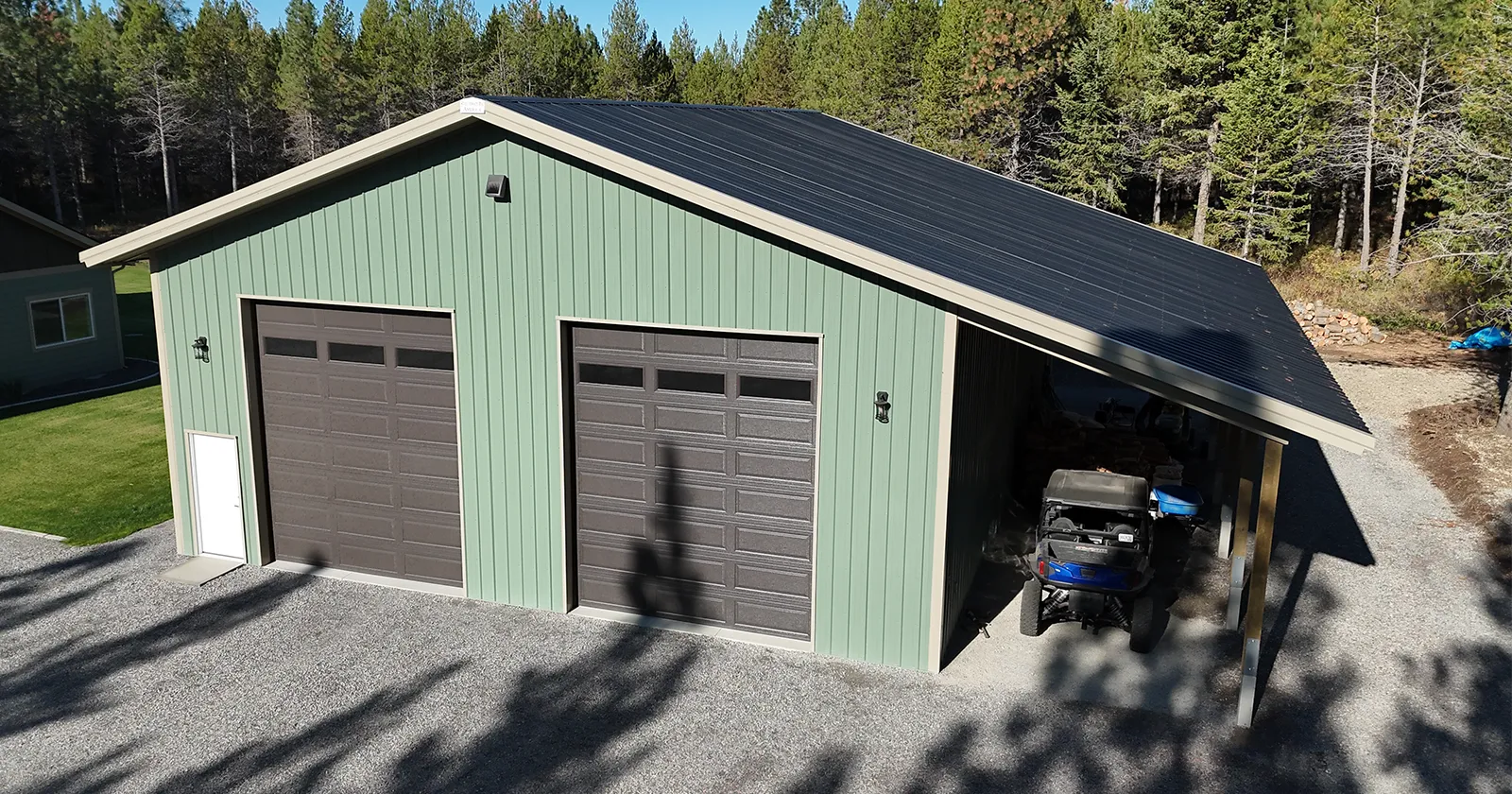
First Published: April 22, 2026 Last Update: July 24, 2026
How to choose the right metal roofing color is a question that comes up on almost every project, and the stakes are higher than most buyers initially realize. Unlike a paint color on an interior wall, a metal panel finish is locked in for decades. The 40-year warranty on Metal America’s WeatherXL SMP coating is a feature, not a warning, but it does mean that the color you choose today will be the color on your building well into the 2060s.
That’s not a reason to overthink it. It’s a reason to think through it once, properly, before you order. This guide walks through every factor that should inform your decision, from climate and building type to trim coordination, two-tone combinations, and the question of energy efficiency.
This is a decision guide. If you’re still in the browsing phase and want to see the full color palette first, start here. Come back here when you’re ready to narrow it down.
Step 1: Consider the Building Type and Its Context
The single most reliable starting point for a metal roofing color decision is the building itself and the setting it sits in. Color that reads as natural and appropriate in one context can look completely out of place in another.
Agricultural and Farm Buildings
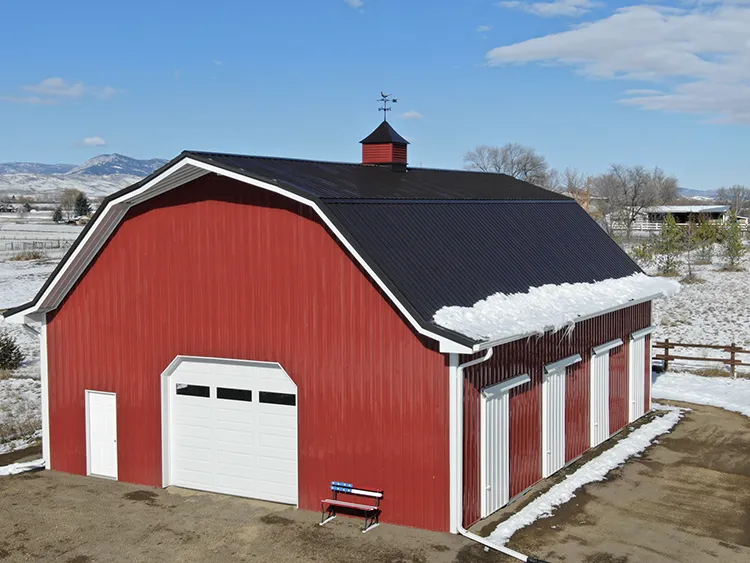
Traditional agricultural color conventions exist for a reason. Rural Red, Dark Brown, Ivy Green, and Colony Green have been the backbone of farm building color palettes for generations. These colors blend with natural landscapes, don’t show dirt and oxidation the way lighter colors can, and tend to age gracefully in high-exposure outdoor environments.
If your farm building is functional storage rather than a design project, leaning into the traditional agricultural palette is a straightforward and reliable choice. If the building is a contractor shop or hobby shop that needs to look sharp as well as functional, the dark gray and black tones from the modern palette are increasingly common in rural and semi-rural settings.
Barndominiums and Shop-Homes
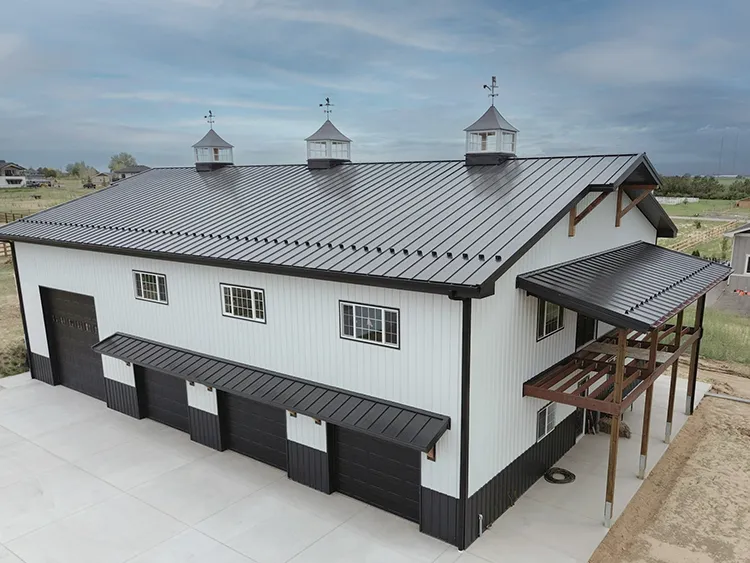
The barndominium market has developed a fairly well-defined aesthetic palette over the past decade, and it’s worth understanding because it’s what prospective buyers have come to expect. The most common barndominium color combinations involve a dark or neutral roof (Charcoal Gray, Matte Black, or Dark Brown) paired with either a warm neutral siding (Light Stone, Desert Sand) or a contrasting white (Polar White, Arctic White) or a wood-look finish (Barnwood, Smooth Cedar).
Black trim against lighter siding, or white trim against a darker siding, is the finishing detail that gives barndominiums their characteristic clean, modern-rustic look. When you’re choosing a barndominium color combination, think in terms of roof, siding, and trim as three distinct elements that need to work together.
Residential Homes
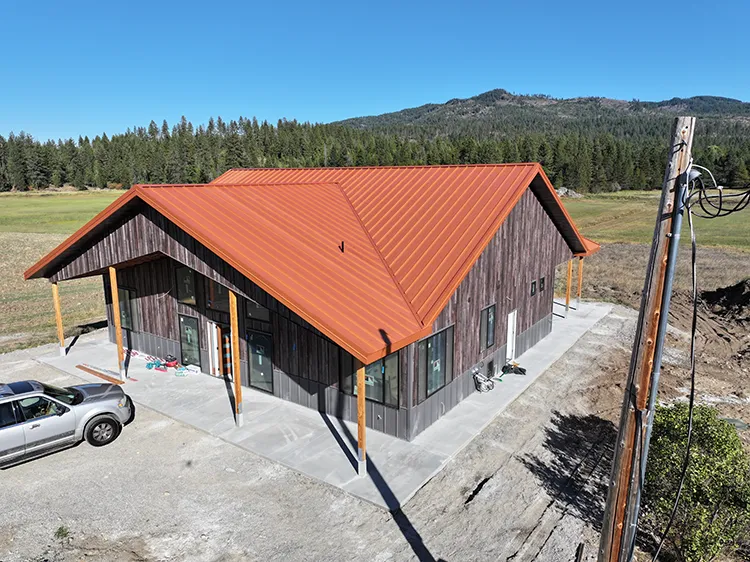
For residential applications, the neighborhood context matters. A home that is dramatically darker or lighter than everything around it can be a statement or a liability depending on the buyer’s priorities and the local real estate market. Generally, medium to dark neutral tones perform well across most residential contexts: Charcoal Gray and Ash Gray on the roof are among the most popular residential metal roofing colors because they complement nearly any siding color without dominating the design.
For custom homes where design is a primary consideration, the PVDF palette opens additional options, including Medium Bronze, Dark Bronze, Evergreen, and the more architecturally refined color families that are less common in the standard SMP lineup.
Commercial Buildings
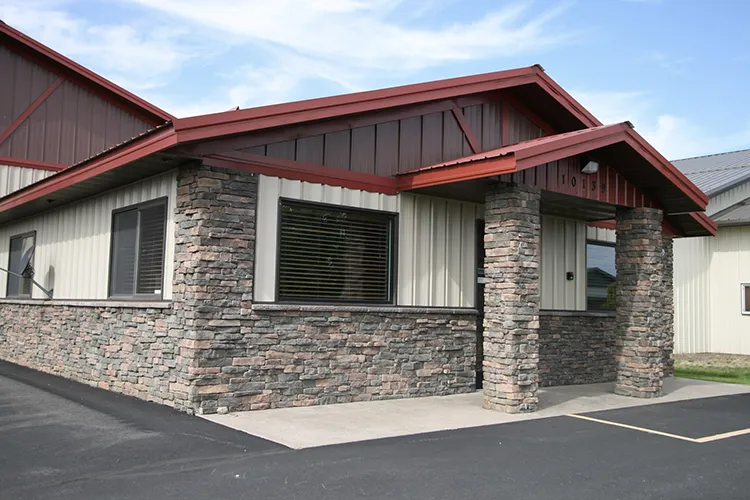
Commercial color decisions are often driven by brand identity, local code requirements, and the desire for a professional, clean appearance that holds up over time. Neutral gray families, white, and dark neutrals are the most common commercial metal roofing and siding choices. For commercial buildings where exterior appearance is a brand asset, the PVDF Kynar/Hylar palette is worth considering for its superior long-term color retention.
Contractor Shops and Industrial Buildings
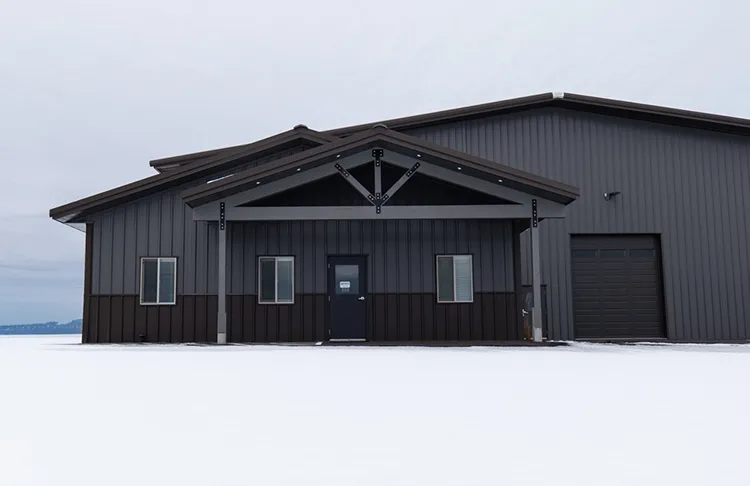
Practical durability and a professional appearance are the primary criteria for contractor shops and light industrial structures. Dark colors tend to hide surface contamination, oil, and grime better than light ones in working environments. Charcoal Gray, Dark Brown, and Matte Black are popular choices for exactly that reason, in addition to looking intentionally sharp rather than utilitarian.
Step 2: Factor in Your Climate
Metal roofing color has a measurable impact on thermal performance, and that impact is worth factoring into the decision, particularly in climates with extreme seasonal temperature swings.
Energy Efficiency and Roof Color
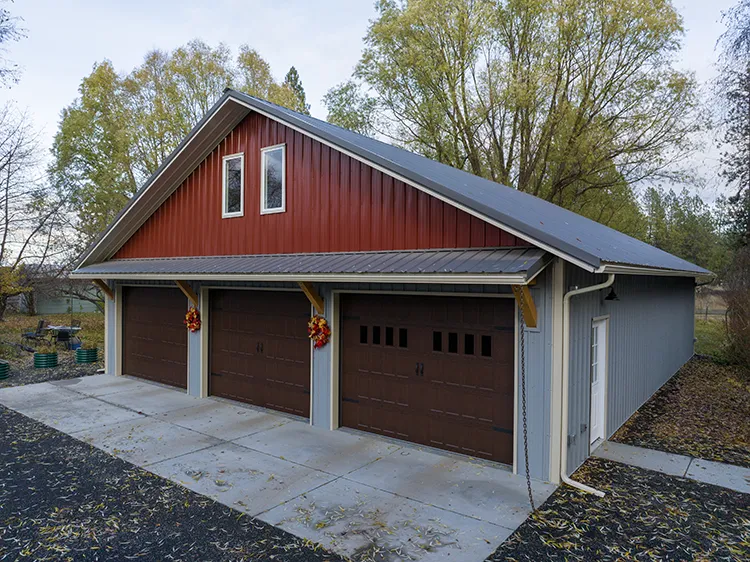
Lighter metal roofing colors reflect a higher percentage of solar radiation, which reduces heat gain through the roof in warm months. In hot climates, this can translate to meaningful reductions in cooling loads. The energy performance difference between a white metal roof and a dark charcoal roof on a well-insulated building is real, though the magnitude varies depending on the climate zone, insulation levels, and how the building is conditioned.
In the Pacific Northwest, where cooling loads are moderate compared to the Southeast or Southwest, the energy efficiency argument for light colors is less compelling than it would be further south. The region’s overcast winters and cool summers mean that thermal performance considerations often tip the other direction, with darker roofs potentially offering a marginal heating benefit in late autumn and winter by absorbing available solar radiation.
The practical takeaway for most Pacific Northwest buyers is that color choice based on thermal performance alone is unlikely to drive a dramatic outcome in this climate. Choose the color that suits the building’s design and context, and let insulation do the heavy lifting on energy performance.
UV Resistance and Fade Performance
In high-altitude environments or areas with strong UV exposure, the coating system matters more than the specific color. Metal America’s WeatherXL SMP coatings are engineered for long-term fade and chalk resistance. For projects in particularly high-UV environments, the PVDF Kynar/Hylar coating system offers superior long-term color retention at the premium tier.
Snow and Ice Load Considerations
In regions with heavy snowfall, darker roof colors can provide a modest advantage by absorbing solar radiation and contributing to faster snow melt. In areas where ice dams are a concern, a standing seam roof profile combined with appropriate ventilation and insulation is more impactful than color, but the marginal advantage of a darker roof in high-snow environments is a real consideration.
Step 3: Coordinate Roof, Siding, and Trim
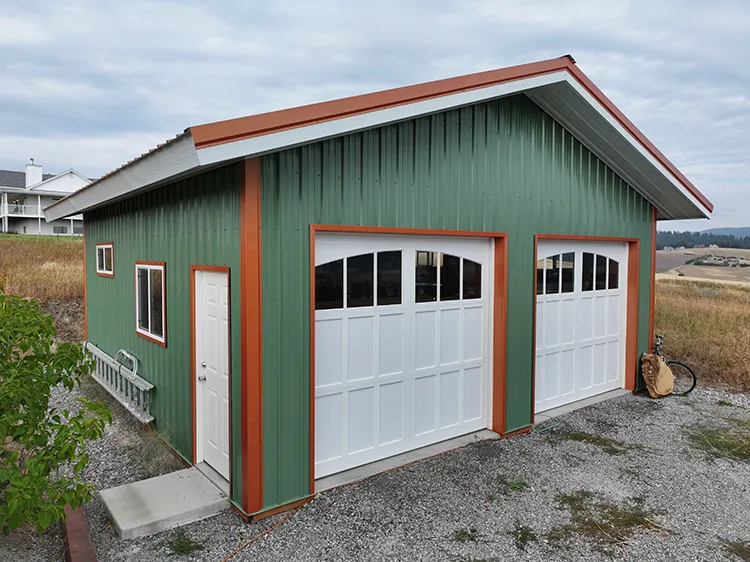
The most common color mistake on metal buildings is choosing a roof color and a siding color independently, without thinking through how they interact. A few principles make this process more reliable.
The Most Popular Metal Roof Color Combinations
Popularity data from Metal America’s sales patterns points to a consistent set of combinations that buyers return to because they work reliably across building types and settings:
- Charcoal Gray roof with Polar White or Arctic White siding: the most widely used combination in the barndominium and modern farmhouse market. Clean, high-contrast, and works with virtually any trim color.
- Matte Black roof with Polar White siding and black trim: a bolder, more contemporary version of the above. Common on design-forward barndominiums and modern custom homes.
- Dark Brown roof with Light Stone or Desert Sand siding: a warm, earth-toned combination that reads as traditional and natural. Popular on agricultural buildings and rural homes.
- Charcoal Gray roof with Charcoal Gray siding: a monochromatic, tonal approach that is increasingly popular on commercial buildings and contemporary residential. The lack of contrast between roof and wall creates a unified, architectural look.
- Rural Red roof with Polar White or Light Stone siding: the classic agricultural look that remains popular on barns, hobby shops, and rural commercial buildings.
- Ivy Green or Colony Green roof with Polar White or Light Stone siding: a traditional combination with strong Pacific Northwest character, popular on rural residential and agricultural buildings in the region.
Read more about metal roofing colors in our complete guide.
Two-Tone Metal Building Color Approaches
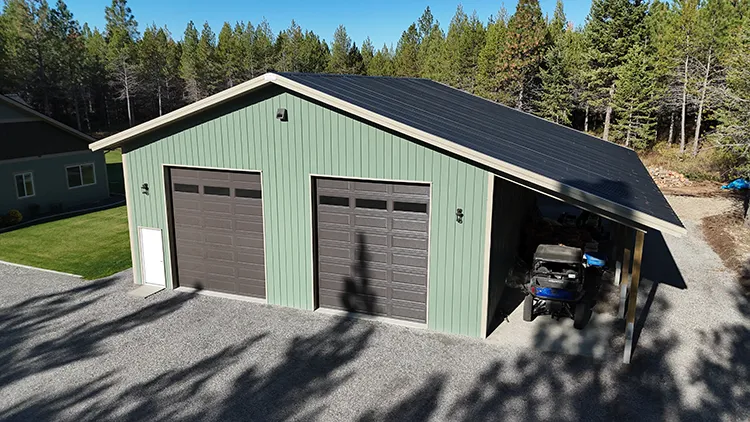
Two-tone combinations, where the roof and siding are different colors or where the siding itself uses two different colors or finishes, are one of the most effective ways to add visual interest to a metal building without complexity.
The most successful two-tone siding approaches use a clear logic: a darker color on the lower portion of a wall (wainscoting) with a lighter color above, or a solid color on the main wall plane with a wood-look or specialty finish as an accent on gable ends, entry surrounds, or garage door bays. These approaches add depth and layering to what would otherwise be a single-material surface.
Trim Color
Trim is often decided after the primary colors are chosen, but it deserves deliberate thought rather than being treated as an afterthought. White and black are the two trim colors that work across the widest range of base color combinations. White trim lightens and brightens a building with a darker primary palette. Black trim on a lighter-colored building creates sharp definition and a modern look. Brown or bronze trim works particularly well with earth-toned or agricultural color combinations.
Step 4: Think About What You’re Standing Next To
Metal buildings don’t exist in isolation. What surrounds the building affects what the color looks like and whether it reads as harmonious or discordant in its setting.
- Heavily forested settings: greens, dark browns, and warm grays blend naturally. Bright whites can look stark but work if the design intent is contrast.
- Open agricultural land: traditional agricultural colors, earth tones, and warm neutrals work well. The wide open sky background means colors read differently than in dense settings.
- Mountain and high-country settings: darker tones, warm grays, and natural wood-look finishes complement rocky, forested, and open alpine landscapes.
- Suburban and residential neighborhoods: mid-range neutrals and grays are the safest choices. Very dark or very light colors can stand out appropriately or inappropriately depending on the neighborhood context.
- Commercial corridors: clean neutrals, white, and architectural PVDF colors tend to read most professionally. Unusual or very saturated colors risk looking out of place.
Step 5: Use Physical Samples, Not Just a Screen
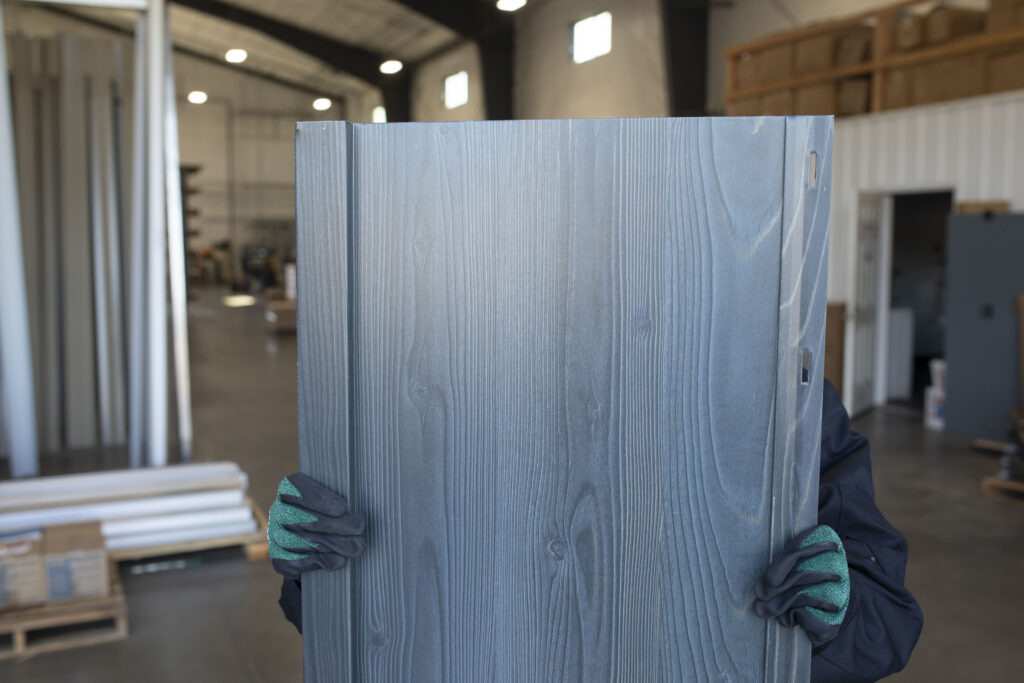
Color on a monitor is not color on a panel. The same color code looks different on different screens and under different lighting conditions, and physical metal panels have a reflectance and surface quality that no digital display fully reproduces.
Metal America offers free color samples at both the Post Falls, ID and Spokane Valley, WA locations. For specialty finishes, wood-look prints, crinkle textures, and any finish where surface texture is part of the visual effect, physical samples are not optional: they are the only reliable way to evaluate what the finish actually looks like. Request samples at metalamerica.com/metal-roof-colors or call 855-638-2587.
Evaluate samples in the actual light conditions of the project site where possible. A panel that looks one way under showroom fluorescent lighting reads differently in direct afternoon sun, in open shade, or under overcast Pacific Northwest skies.
A Quick Decision Framework
| Question | What it narrows down |
| What is the primary building type and use? | Sets the appropriate color register: agricultural, residential, commercial, or specialty. |
| What does the surrounding landscape or neighborhood look like? | Identifies whether warm, cool, light, or dark tones read most naturally in context. |
| Does climate-driven energy performance matter for this project? | If yes, lighter colors are generally preferred in hot climates; climate impact is moderate in the Pacific Northwest. |
| What finish system is appropriate: SMP or PVDF? | SMP (WeatherXL) for most residential and agricultural projects. PVDF for commercial, architectural, or high-UV environments. |
| Is a specialty finish appropriate (wood-look, Cor-Ten, crinkle)? | If yes, see the wood-look guide or Cor-Ten guide for that decision branch. |
| What are the roof, siding, and trim colors as a coordinated system? | Choose these three together, not independently, before finalizing any single element. |
Still Not Sure? Here’s What to Do Next
Browse the full color palette at metalamerica.com/metal-roof-colors, download the color chart PDF, and request free physical samples of your top candidates. If you want to talk through combinations specific to your project, the Metal America team is available at 855-638-2587 or online.
Get a Quote
Find the Best Panel for Your Next Project
Fill out the form below and our team will get back to you within 24 hours with pricing and availability.
E-mail
sales@metalamerica.com
Phone number
855-638-2587