
First Published: September 4, 2026 Last Update: September 4, 2026
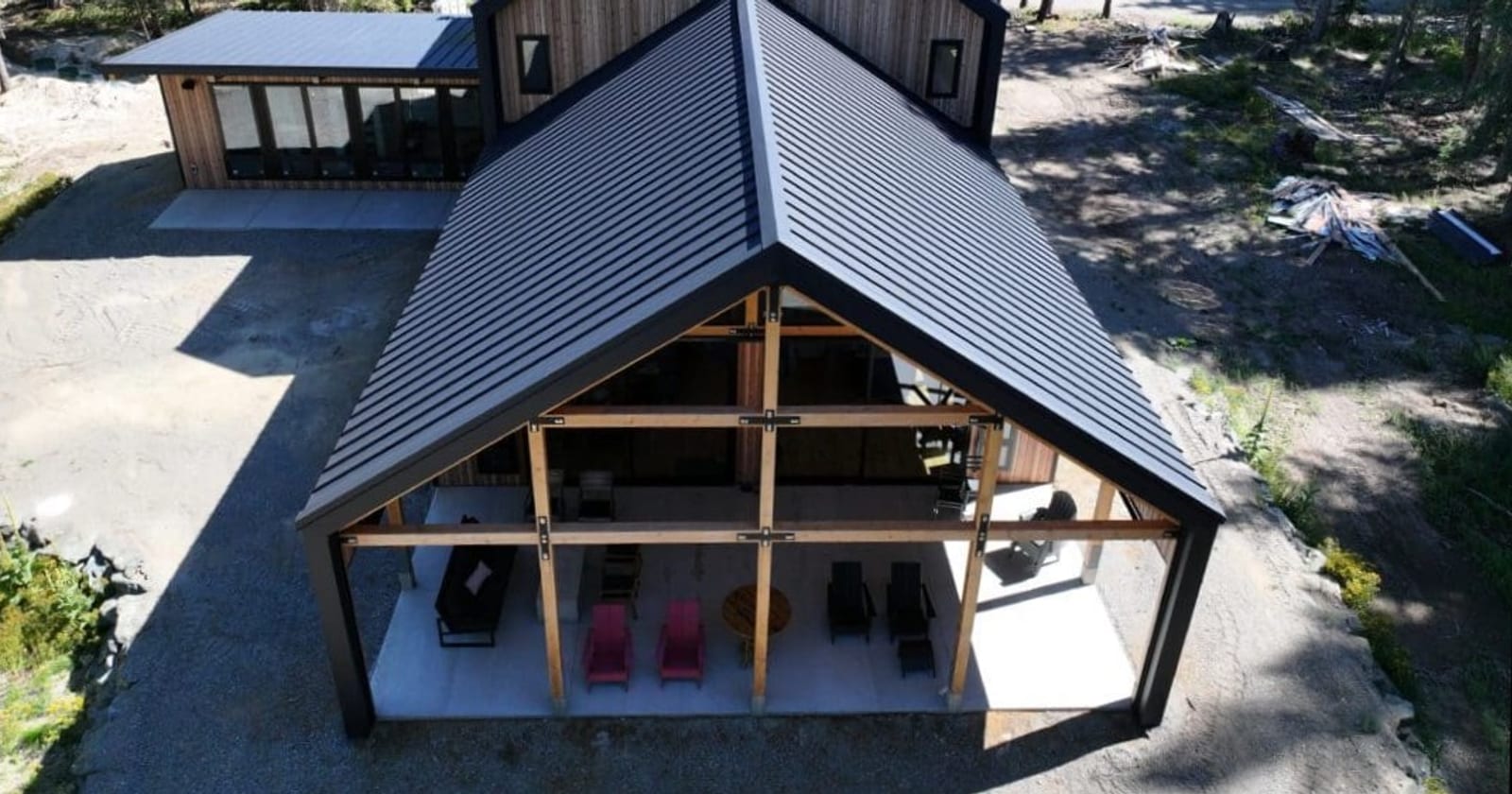
If you’re building a pergola or a patio cover and you want it to last, steel panels are one of the best coverings you can put overhead. They shed rain, throw shade, won’t rot or warp, and they’ll outlive almost anything wood or fabric you’d hang up there instead. The honest answer to “should I use steel?” is usually yes, as long as you match the profile and finish to the look you’re after.
Here’s a plain-English breakdown of how to choose steel panels for pergolas and patio covers: which profiles work, what gauge to order, how the finishes read, and the few details that keep an outdoor cover watertight and quiet.
Why steel panels work so well overhead
A patio cover takes a beating from sun, rain, and wind, and it does it year round. Steel handles all three without much complaint. It won’t rot the way a wood roof deck can, it won’t sag or tear like a fabric shade sail, and a good painted finish holds its color for decades. In the Pacific Northwest, where wet-dry cycles are hard on exposed wood, that durability matters even more.
Steel is also non combustible, which is worth thinking about if your patio sits near a grill, a fire pit, or a wildfire-prone lot. If fire resistance is driving your build, our guide to non combustible siding covers how steel compares to other materials.
The best panel profiles for a pergola or patio cover
Two families of panel work for an outdoor cover, and the choice comes down to look and budget.
Exposed fastener panels (the budget-friendly choice)
Corrugated and ribbed panels screw straight through the face into your framing. They’re the simplest and least expensive way to cover a pergola, they’re easy to cut to size, and the wavy or ribbed profile reads casual and classic. Our corrugated roof panels guide walks through slope, fasteners, and coverage width, and the Ag panel is another exposed fastener option that works well on a simple cover.
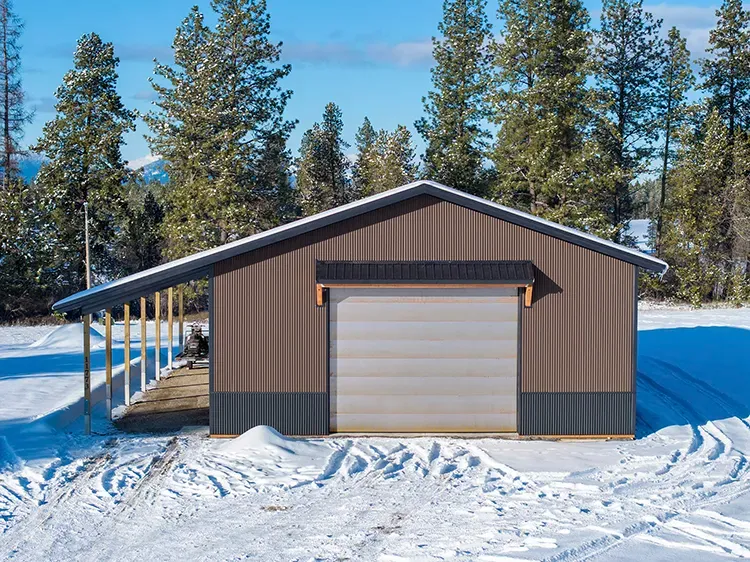
If you want to understand the tradeoffs before you order, our standing seam vs exposed fastener comparison lays them out side by side.
Standing seam panels (the clean, modern choice)
Standing seam hides its fasteners under raised, interlocking seams, so the finished cover reads sleek and modern with no screw heads showing. It costs more than exposed fastener, but on a pergola that’s part of your outdoor living space and sits in full view, plenty of people think it’s worth it. Our QuickLoc standing seam panel is a snap-together option that suits a smaller overhead run.
What gauge to order
Gauge is the thickness of the steel, and lower numbers mean thicker metal. For a pergola or patio cover, 26 gauge is the popular, sensible choice and handles PNW snow and wind fine on a normal span. If your cover carries real snow load or spans wide between beams, 24 gauge steps up the strength. Our panel gauge guide compares 22, 24, 26, and 29 gauge so you can match the metal to your build.
Finishes: solid colors and wood look
This is where a patio cover gets to show some personality. You can run a clean solid color to match your house trim, or you can go with a wood-look print that gives you the warmth of a timber ceiling without the upkeep. Our wood look metal panels come in finishes like Barnwood, Smooth Cedar, and Walnut, and overhead on a pergola they read like a real wood ceiling from below.
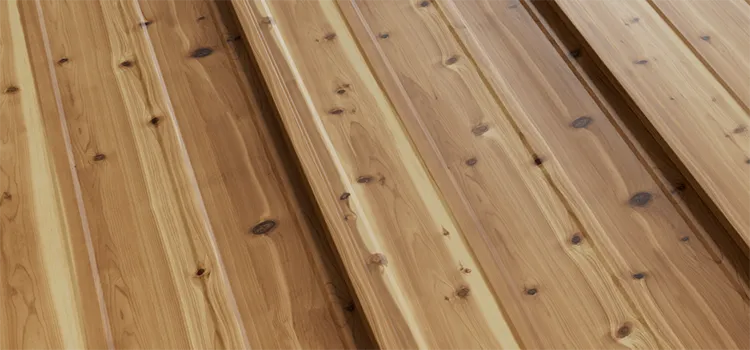
For the full range of solid colors and how the finish holds up outdoors, see our metal roofing colors guide.
Details that keep an outdoor cover working
A few things separate a patio cover that lasts from one that leaks or rattles:
-
Slope. Even a “flat” patio cover needs a little pitch to drain. Give it enough fall that water runs off instead of pooling.
-
Fasteners. On exposed fastener panels, use gasketed screws driven straight and snug, not overtightened. That’s what keeps the panel watertight at every screw.
-
Edges and trim. Clean trim at the edges finishes the look and closes off the ribs. Our metal trim guide covers the pieces you’ll want.
FAQ
Are steel panels for pergolas and patio covers loud in the rain?
Less than you’d think when they’re screwed down to solid framing. An open pergola with panels on top is louder than an insulated roof, but most people find the sound on a patio cover pleasant rather than annoying. Our guide on whether metal roofs are loud in the rain goes deeper.
Can I put a solid steel cover on an existing pergola?
Usually yes, as long as the posts and beams can carry the extra load and you can build in a little slope for drainage. If you’re closing in an open pergola, check that your framing is up to it before you order panels.
What’s the cheapest way to cover a patio with steel?
Corrugated or ribbed exposed fastener panels in 29 or 26 gauge are the most budget-friendly. You’re paying for a simple profile and face-driven screws, both of which keep cost down.
The bottom line
Steel panels for pergolas and patio covers give you a cover that sheds weather, resists fire, and holds its finish for decades. Go exposed fastener for budget and a casual look, standing seam for a clean modern line, and a wood-look print if you want the warmth of timber overhead without the maintenance. If you’re not sure which profile or finish fits your project, give us a call or request free samples, and we’ll help you match steel to your build.
Get a Quote
Find the Best Panel for Your Next Project
Fill out the form below and our team will get back to you within 24 hours with pricing and availability.
E-mail
sales@metalamerica.com
Phone number
855-638-2587