
First Published: August 4, 2026 Last Update: August 4, 2026
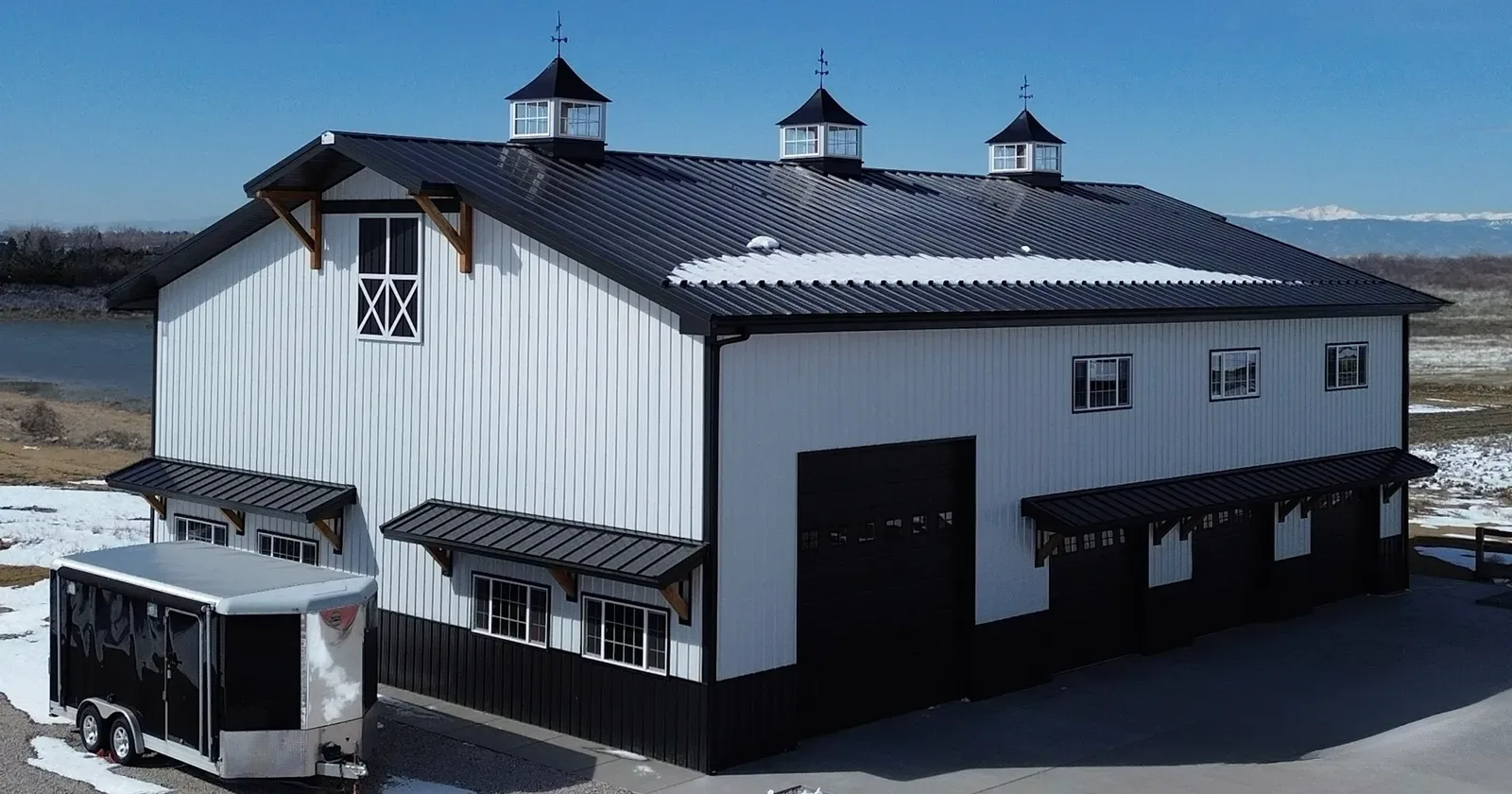
If your mental image of steel siding for houses is a corrugated barn wall, it’s out of date. The profiles and printed finishes available now cover board and batten, shiplap and lap siding looks, and plenty of them read as wood from the curb. What hasn’t changed is the reason people choose steel in the first place: it doesn’t rot, warp, feed insects, or need repainting every few years.
Here’s what to weigh before you commit a whole house to it.
Is steel a good fit for a house?
It’s a strong fit if you care about longevity and low maintenance, and if you’re building or residing in a climate that punishes organic materials. Around the Pacific Northwest that describes most properties. Wet winters and dry summers put wood siding through repeated swelling and shrinking, which is what opens joints and lifts paint.
It’s a weaker fit if you want a material you can cut and patch casually with a circular saw and a nail gun on a Saturday. Steel siding rewards planning: the panels get roll-formed to length, the trim has to be ordered with it, and changes after the fact cost more than they would with wood.
The other honest tradeoff is denting. Steel resists impact well for its weight, but a hard enough strike leaves a mark you can’t sand out. Heavier gauge helps.
The profiles that suit a house
| Profile | The look | Where it fits |
|---|---|---|
| Board & Batten | Vertical, with raised battens at regular intervals | Modern farmhouse and barndominium exteriors, full walls or gable accents |
| Shiplap | Clean horizontal or vertical lines with a shadow reveal | Contemporary homes, and a strong match for the wood look prints |
| Double Lap | Traditional lap siding profile | Homes where you want steel to read as conventional siding |
| Flush Wall / Soffit | Flat, minimal reveal | Modern designs, accent walls, entry surrounds, and eave undersides |
| 7/8″ Corrugated | Classic wavy profile | Farmhouse and industrial designs, often as a deliberate accent |
Most houses use more than one. A common approach is board and batten on the main walls with a contrasting shiplap or corrugated section on a gable or entry. Our guide to board and batten metal siding and our metal shiplap siding rundown go deeper on each.
Finishes: solid color or wood look
There are two directions to go.
Solid colors. More than 44 of them, which is plenty of room to match a roof, coordinate with stone or brick, or hit an HOA palette. Darker colors like charcoal and black have been dominant on modern farmhouse builds for a while now.
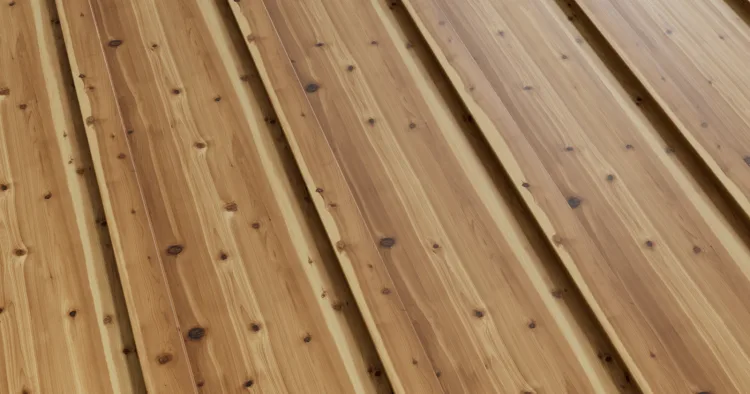
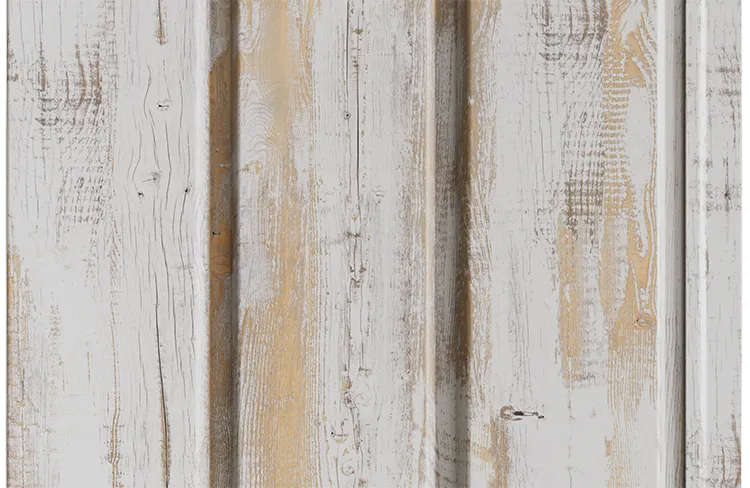
Wood look prints. This is where steel siding has changed most. Smooth Cedar, Barnwood, Burnt Wood Charcoal, Burnt Wood Black, Chippy White, Walnut, Rough Cedar Gray, Pecky Cypress, Primitive Pine Plank and Gray Wash Barnwood all give you a wood appearance on a steel substrate. You get the look without the sanding, staining and rot cycle. Our wood look metal panels guide covers how each print reads at full scale.
Gauge: what to order
Steel siding comes in 22, 24, 26 and 29 gauge, where the lower number is the thicker steel. For a house, 26 gauge is the most popular choice and handles residential walls well. Stepping up to 24 gauge buys you the best balance of strength and cost, and it’s worth considering on walls that take abuse: near a driveway, a stock area, or anywhere kids and equipment work.
29 gauge is thinner and shows oil canning and impact more readily on a large flat wall. It has its place, but for a primary residence most people are happier at 26 or 24.
What Pacific Northwest weather does to it
Three things worth naming for anyone building in Idaho, Washington, Oregon or Montana:
- Wet to dry cycling. This is what destroys wood siding here. Steel doesn’t absorb water, so the cycle doesn’t move it.
- Fire. Steel doesn’t ignite or carry flame, which matters in wildfire country. We’ve written about non combustible siding options and how they compare.
- Snow and ice. The wall isn’t the problem, but the base of the wall is. Get the base trim detail right so meltwater and snow pileup shed away from the foundation instead of sitting against the panel.
Common questions
Does steel siding fade?
Painted finishes weather over decades rather than years, and the paint warranty is the number to compare between suppliers. Ask what the finish system is and what the warranty covers, since chalk and fade are usually handled as separate terms.
Will it dent from hail?
It can, and heavier gauge resists it better. Profiles with more shape, like board and batten or corrugated, hide minor dings better than a flat wall panel does.
How does it compare to fiber cement?
Fiber cement is durable and doesn’t burn, but it’s heavy, it absorbs some water at cut edges, and painted versions need repainting eventually. Steel is lighter and skips the repainting cycle. Our three way comparison of metal, wood and fiber cement goes through it properly.
Bottom line
Steel siding for houses makes the most sense when you plan to keep the house, you don’t want a maintenance cycle, and you want a specific look you can hit with either a solid color or a wood print. Choose the profile first, then the finish, then land on 26 or 24 gauge depending on how much abuse the walls will take. And order your metal trim at the same time so the corners, base and openings match.
We roll-form siding panels in Post Falls, Idaho and Spokane Valley, Washington, and serve Idaho, Washington, Oregon and Montana. Request free samples if you’re deciding between a solid color and a wood look print, since both read differently in person than on a screen. For a broader look at residential options, see our complete guide to metal siding for homes and barndominiums. The Metal Construction Association publishes neutral technical material on metal wall systems if you want to go deeper.
Get a Quote
Find the Best Panel for Your Next Project
Fill out the form below and our team will get back to you within 24 hours with pricing and availability.
E-mail
sales@metalamerica.com
Phone number
855-638-2587