
First Published: August 6, 2026 Last Update: August 6, 2026
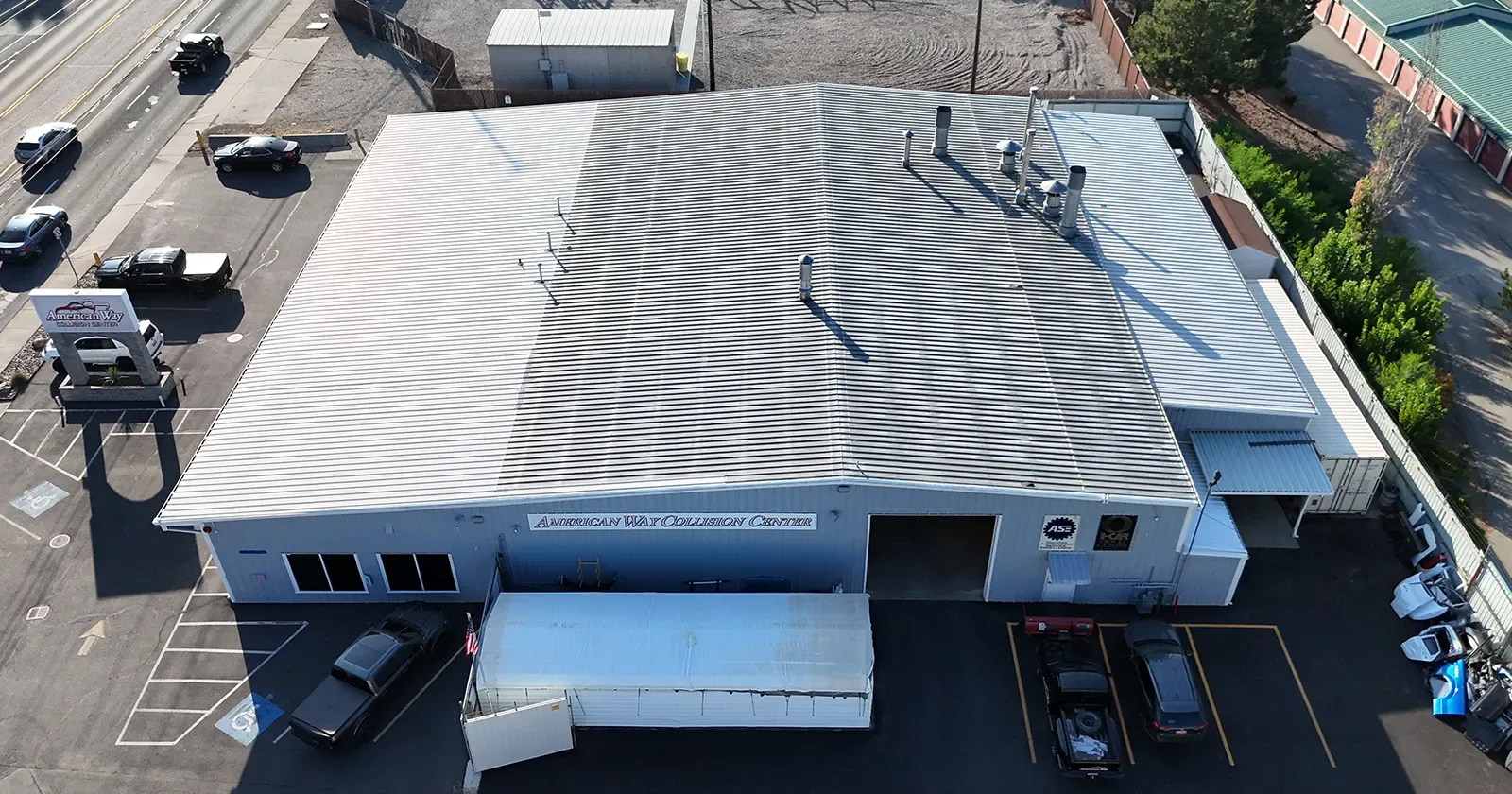
Steel roof panels come in two families: concealed fastener systems where the screws are hidden, and exposed fastener panels where the screws go through the face. Nearly every decision you’ll make about steel roof panels flows from that one split, so it’s the right place to start.
Here’s a plain-English rundown of the profiles, the gauges, and how to match a panel to your building without overbuying.
The two families of steel roof panels
Concealed fastener (standing seam)
The seams interlock and the clips or fastener flanges are covered by the next panel. Nothing penetrates the weather surface in the field of the roof. That’s the cleanest look and the fewest leak paths, and it lets the panel move as it heats and cools. It costs more and it’s less forgiving of a sloppy frame.
Our concealed fastener lineup runs QuickLoc, 1.5 inch Snap Lock, 1.75 inch Snap Lock, and Mechanically Seamed. There’s a fuller breakdown in our standing seam metal roofing guide.
Exposed fastener
Screws go through the panel face into the framing. It’s faster, cheaper, and it’s what’s on most shops, barns, and outbuildings in the country. The tradeoff is that the rubber washers under those screw heads are a maintenance item, and every screw is a potential leak path if it’s driven wrong.
The exposed fastener profiles are Tuff Rib, PBR Panel, 7/8 inch Corrugated, and 7.2 Panel.
Matching the profile to the building
| Building | Sensible pick | Why |
|---|---|---|
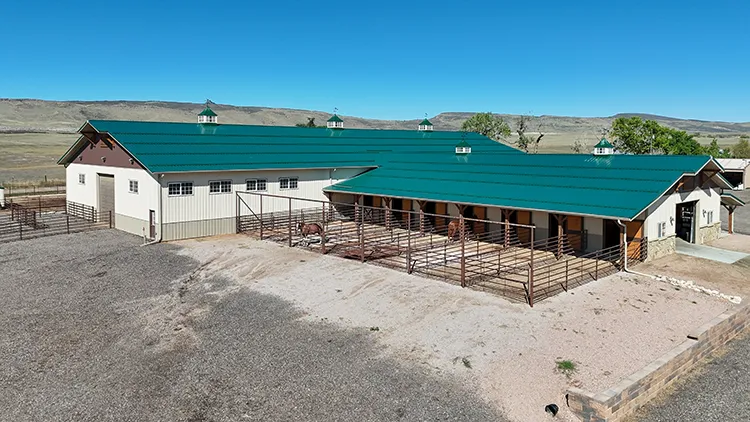
| House or barndominium | QuickLoc or Snap Lock | Clean lines, no exposed screws, best long term watertightness. |
| Shop or pole barn | Tuff Rib or PBR | Strong, fast to install, best cost per square foot. |
| Ag and equipment storage | Tuff Rib or 7/8 Corrugated | Proven, easy to source, easy to repair. |
| Commercial or low slope | Mechanically Seamed | The seam is folded closed, which handles shallow pitch better. |
| Modern or accent work | 7/8 Corrugated | The wavy shadow line reads either agricultural or contemporary. |
If you’re deciding between a ribbed panel and a corrugated one, our corrugated vs ribbed comparison lays out the shapes side by side.
Gauge: how thick your steel roof panels should be
Gauge runs backwards, so a lower number means thicker steel. We roll 22, 24, 26, and 29 gauge.
- 29 gauge. Light duty. Sheds, small outbuildings, budget jobs.
- 26 gauge. The most popular gauge we sell, and the default answer for most shops, barns, and houses.
- 24 gauge. The best balance of strength and cost. Standing seam, long panel runs, real snow load.
- 22 gauge. Heavy duty, for panels that take abuse.
Thicker steel resists oil canning and denting, and it holds a fastener better. It’s also the one spec you can’t change after the roof is on, so when you’re on the fence, go up a gauge. Our gauge comparison goes deeper on each.
Substrate and finish
Under the paint, most steel roof panels sit on a Galvalume substrate, an aluminum and zinc coating that holds up better than plain galvanized in wet climates. That matters across the Pacific Northwest, where panels go through wet and dry cycles all winter. There’s more in our Galvalume explainer.
On top of that we run a Sherwin-Williams WeatherXL SMP finish in more than 44 solid colors, backed by a 40 year paint warranty. Wood look prints and specialty finishes are available if you want the panel to read as something other than steel. Color affects heat gain too, and the Department of Energy’s cool roofs page is a fair neutral source on that.
What to get right when you order
- Order off coverage. Panels lap, so usable width is less than sheet width. Figure quantity from coverage or you’ll come up short.
- Cut to length. We cut panels to your run, so most roofs go eave to ridge in one piece. Fewer laps, fewer leaks.
- Buy trim with the panels. Ridge cap, rake, eave, and closures should come off the same paint run so the colors match.
- Check your slope first. Every profile has a minimum pitch, and exposed fastener panels need more of it than seamed ones.
- Fasteners are not generic. Match the screw and washer to the panel and the framing material.
FAQ
How long do steel roof panels last?
Far longer than asphalt shingles. The real variables are gauge, substrate, finish quality, and installation. Exposed fastener roofs need their screws checked periodically, since the washers age before the steel does.
Are steel roof panels loud in the rain?
Not on a finished building. A panel over solid decking and underlayment, with insulation and a ceiling below, is about as quiet as any other roof. The noise people remember comes from open frame barns with nothing underneath.
Can steel roof panels go over existing shingles?
Often yes, depending on the condition of what’s under there and your local code. It saves tear off cost but it hides problems, so it’s worth a look at the deck first.
What’s the cheapest steel roof panel?
An exposed fastener panel in a thinner gauge is the lowest first cost. Whether it’s the lowest cost over thirty years is a different question, and the answer depends on the building.
The bottom line
Pick concealed fastener steel roof panels for a house or anything you want to look sharp for decades. Pick exposed fastener for shops, barns, and ag buildings where speed and cost matter more than a hidden screw. Then choose 26 gauge as your default, step up to 24 for long runs or heavy snow, and order your trim in the same batch. Not sure which profile suits your building? Give us a call or compare the pole barn panel options, and we’ll send free samples.
Get a Quote
Find the Best Panel for Your Next Project
Fill out the form below and our team will get back to you within 24 hours with pricing and availability.
E-mail
sales@metalamerica.com
Phone number
855-638-2587