
First Published: November 20, 2026 Last Update: November 20, 2026
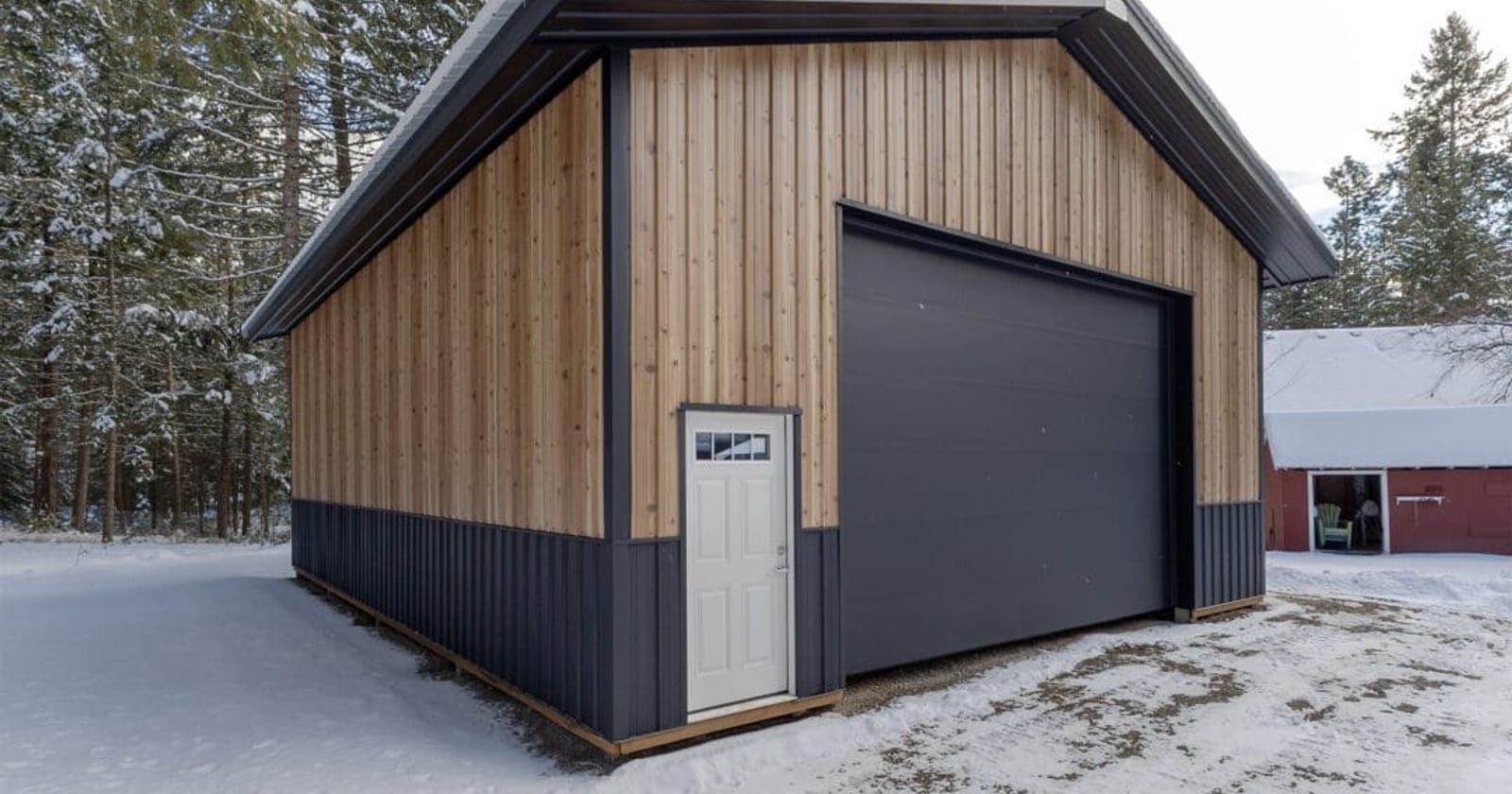
Digitally printed steel siding is steel panel with a high-resolution photo of real wood printed onto the painted coil before it’s formed into siding. If you’ve seen a wall of our Smooth Cedar or Barnwood and had to walk up and tap it to believe it’s steel, that’s the print doing its job. Here’s a plain-English look at how the wood grain gets onto the steel, and why the newer digital process looks so much better than the wood-look metal of a few years ago.
What digitally printed steel siding is
Most painted steel gets one solid color. Digitally printed steel siding gets a solid base color first, then a full-color image of wood laid over it by a large-format inkjet printer, the same basic idea as a photo printer, just built to run a coil of steel instead of a sheet of paper. A clear protective coat goes on over the image, and the coil heads to a roll-former to become panels.
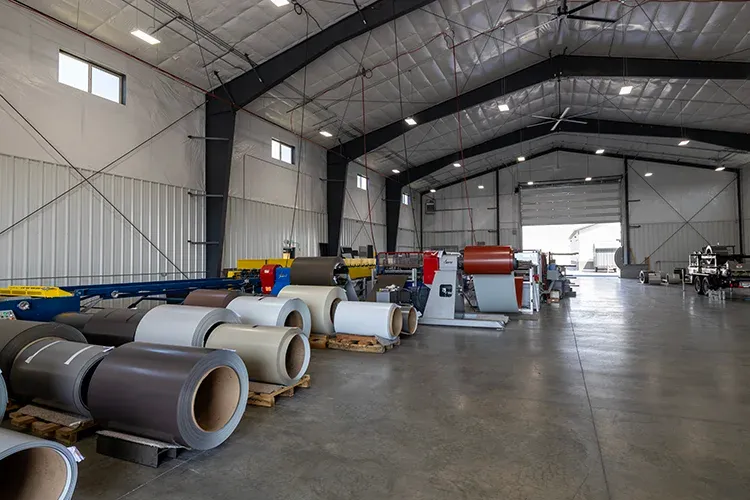
We buy our wood-look coil pre-printed and roll-form it here in Post Falls, Idaho, into board and batten metal siding, metal shiplap siding, and our other wall profiles.
How digitally printed steel siding is made, step by step
1. It starts with real wood
The grain isn’t drawn by an artist or pulled from a stock photo. Real boards are scanned on high-resolution 3D scanners, which capture the grain, knots, checks, and color shifts of the actual wood.
2. The scan becomes a design
A design team cleans up the scan and builds it into a printable pattern. They can adjust color, add or remove knots, and lay out plank widths. That’s how one species can become several finishes, like a fresh-milled cedar and a weathered gray cedar. We’ve also got access to a couple of scans that aren’t widely available yet, so ask about them when you request samples.
3. The coil is coated and painted
Underneath the image, it’s the same layered build you’d expect from quality painted steel: a steel base, a galvanized or Galvalume coating, pretreatment, primer, and a base color coat.
4. The image is printed on
The painted coil runs through an inline inkjet printer at up to 400 dpi. Because it’s digital, the pattern can run up to 32 feet before it repeats.
5. A clear coat seals it
A solvent-free clear coat goes over the print and is cured with an electron beam instead of an oven. That clear layer is what protects the image from sun, rain, and handling.
6. We roll-form it into panels
The finished coil comes to us, and we roll-form it to your lengths. Our wood-look finishes run on 26 gauge steel and carry a 20-year limited warranty.
Digital printing vs the older way
Before digital printing, most wood-look metal was made with rotogravure, where the pattern is engraved into a metal roller and transferred to the steel one color at a time. The National Coil Coating Association covers the basics of coil-coated prints if you want the background. Here’s how the two compare:
| Digitally printed | Rotogravure printed | |
|---|---|---|
| Image source | High-resolution scans of real wood | Pattern engraved into a roller |
| Pattern repeat | Up to 32 feet | Roughly every 29 to 31 inches, set by the roller |
| Color detail | Full color, set in the digital file | Built up in separate passes |
| Changing the design | Edit the file | Engrave a new roller |
That repeat length is the big one. When a knot shows up every 30 inches down a 40-foot wall, your eye catches it, and the wall reads as printed. Stretch the repeat out to 32 feet and most walls never show the same board twice. We dig into that more in our guide to realistic wood grain metal siding.
What it means for your building
You get the look of real wood without the upkeep that comes with it. There’s no staining, sealing, or rot, and steel won’t feed a fire the way cedar can, which matters across Idaho, Washington, Oregon, and Montana in wildfire season. If you’re weighing the two materials head to head, our steel siding vs wood siding comparison lays it out.
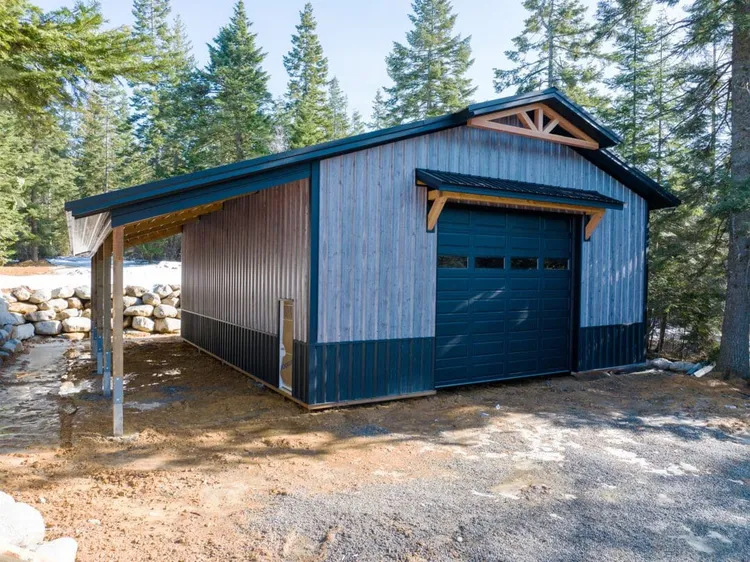
Our current wood-look lineup includes Smooth Cedar, Barnwood, Burnt Wood Charcoal, Burnt Wood Black, Chippy White, Walnut, Rough Cedar Gray, Pecky Cypress, Primitive Pine Plank, and Gray Wash Barnwood. You can see them side by side in our wood look metal panels guide.
FAQ
Is the wood grain on digitally printed steel siding just a sticker or film?
No. The image is printed into the coating system on the coil and sealed under a cured clear coat. It’s part of the finish, not something stuck on top.
Is digitally printed steel siding printed on both sides?
Siding panels carry the print on the side that faces out. On our fence panels, which get seen from both sides, we do offer a wood-look finish on both faces. See our metal fence that looks like wood guide for details.
Can I see it before I order?
Yes, and you should. Free samples are the best way to judge color, and our Post Falls location is open to the public if you want to see the finishes in person.
The bottom line
Digitally printed steel siding takes a scan of real wood, prints it onto painted coil, and seals it under a tough clear coat. The result looks like wood from the street and holds up like steel. If you’re planning a home, shop, or barndominium, request free samples or give us a call at 855-638-2587 and we’ll help you pick a finish.
Get a Quote
Find the Best Panel for Your Next Project
Fill out the form below and our team will get back to you within 24 hours with pricing and availability.
E-mail
sales@metalamerica.com
Phone number
855-638-2587