
First Published: October 30, 2026 Last Update: October 30, 2026
Standing seam pros and cons come down to one trade: you pay more up front for a roof with no exposed fasteners, a cleaner look, and less upkeep over its life. For a home or barndominium, that’s usually worth it. For a shop or barn, it often isn’t.
No sales pitch, just the honest list on both sides so you can decide whether standing seam belongs on your building.
What standing seam is
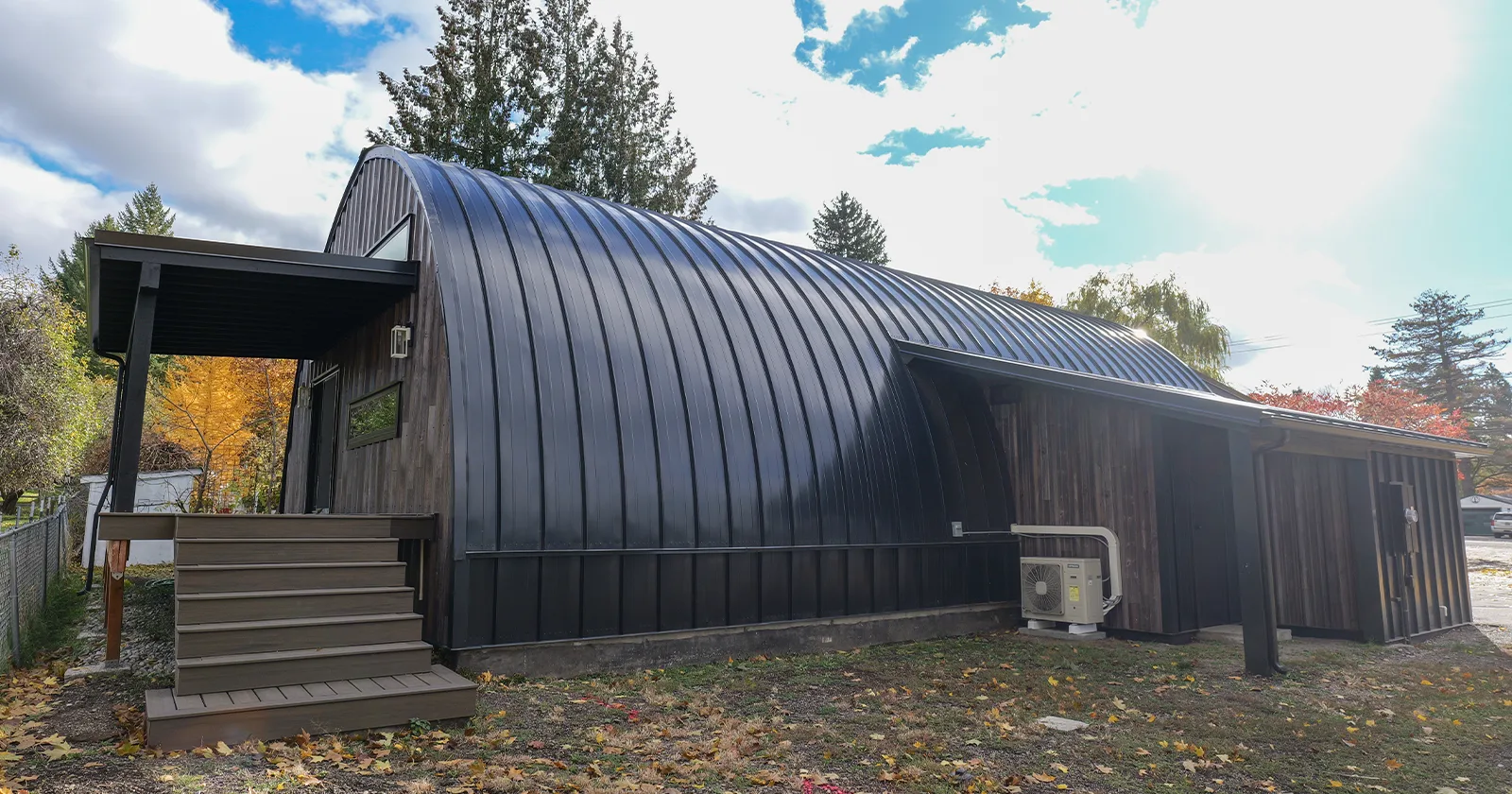
Standing seam panels run from eave to ridge and lock together at raised seams. They’re held down by clips or a fastening flange hidden under the seam, so nothing goes through the face of the roof. Our standing seam panels include QuickLoc, 1.5″ Snap Lock, 1.75″ Snap Lock, and Mechanically Seamed. For the full system rundown, see our standing seam metal roofing guide.
Standing seam pros
No exposed fasteners
This is the big one. An exposed-fastener roof has screws through the face, each with a rubber washer that ages in the sun. Standing seam hides its fasteners, so there are far fewer places for water to find a way in over the years.
Room to move
Steel grows and shrinks with temperature. Hidden clips and slotted fastening let standing seam panels move without working fasteners loose, which matters with Pacific Northwest swings from hot summer afternoons to freezing nights.
A clean, modern look
Crisp vertical lines and no rows of screw heads. It’s the look most people picture on a modern farmhouse or barndominium.
Less maintenance over time
With no washers to check or screws to re-tighten, upkeep is mostly keeping the roof clear of debris and checking the trim and penetrations.
Standing seam cons
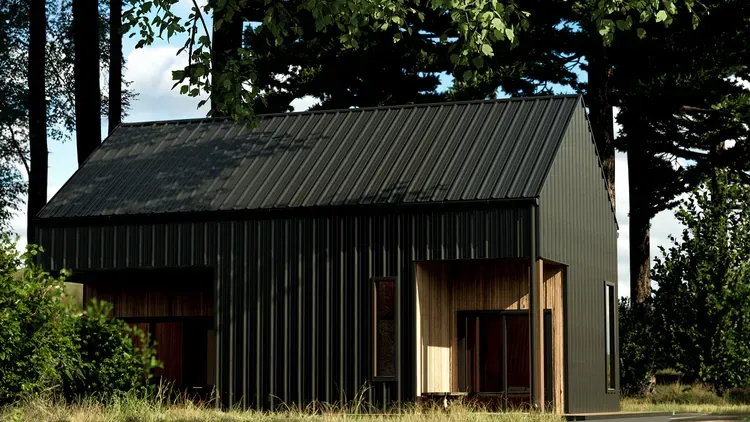
Higher cost
Standing seam costs more than an exposed-fastener panel. The panels are narrower, the install is slower, and the trim details take more care. Our PBR panel vs standing seam comparison shows where that money goes.
Oil canning
The wide, flat pans can show a gentle waviness called oil canning. It’s cosmetic, not structural, and good panel design, the right gauge, and a flat deck all help. Our article on oil canning on a metal roof explains what drives it.
Harder to repair
You can’t just back out a few screws and swap a damaged panel. Because panels lock to their neighbors, a repair can mean unlocking more than one.
Installation skill matters more
The details that matter most get covered up first, so a sloppy install is harder to spot and harder to fix. Our walkthrough of standing seam metal roof installation covers what has to be right.
Slope limits vary by profile
Each standing seam profile has its own minimum slope, and some suit low-slope roofs better than others. Check our guide to the minimum slope for a metal roof before you pick a panel.
Standing seam pros and cons at a glance
|
Pros |
Cons |
|---|---|
|
No exposed fasteners |
Higher upfront cost |
|
Panels can move with temperature |
Flat pans can show oil canning |
|
Clean, modern look |
Repairs are more involved |
|
Less maintenance over time |
Depends more on installer skill |
When standing seam is worth it
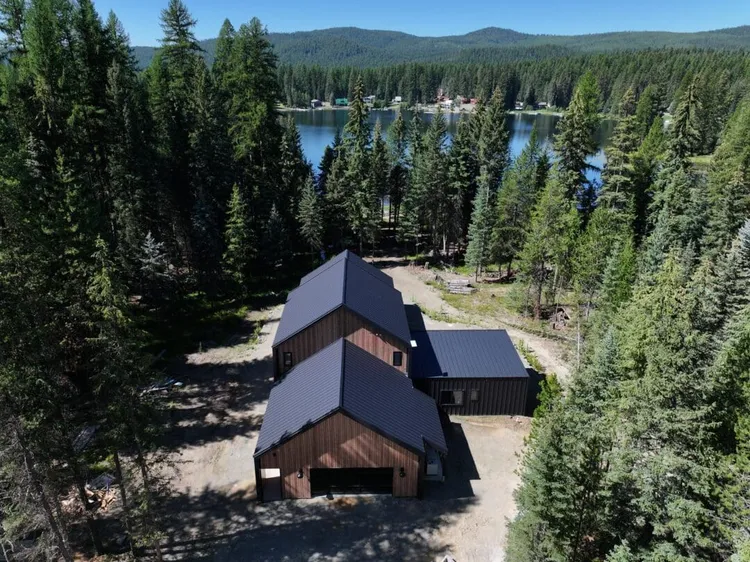
Standing seam earns its price on homes, barndominiums, and any roof people see every day, and on buildings where you want the least upkeep possible. On a pole barn, ag building, or budget shop, an exposed-fastener panel like Tuff Rib or PBR usually makes more sense. If you’re still weighing it, our guide to what type of metal roof is best matches panels to building types. For industry background on metal roof systems, the Metal Construction Association is a solid resource.
FAQ
Is a standing seam roof worth the extra cost?
For a home you plan to keep, usually yes. You’re paying for fewer leak points and less upkeep. For an outbuilding, the savings from an exposed-fastener panel often win.
Do standing seam roofs leak?
Far less often at the panels themselves. When they do leak, it’s usually at trim, valleys, or penetrations, which is why the install details matter.
What gauge should standing seam be?
26 gauge is our most popular, and 24 gauge is the best balance of strength and cost if you want a stiffer, flatter panel.
The bottom line
The standing seam pros and cons boil down to cost versus upkeep. If you want a clean roof with hidden fasteners and less maintenance, it’s hard to beat. If budget rules and the building is a shop or barn, an exposed-fastener panel is the honest pick. Give us a call or request free samples and we’ll help you weigh it for your project.
Get a Quote
Find the Best Panel for Your Next Project
Fill out the form below and our team will get back to you within 24 hours with pricing and availability.
E-mail
sales@metalamerica.com
Phone number
855-638-2587