
First Published: October 29, 2026 Last Update: October 29, 2026
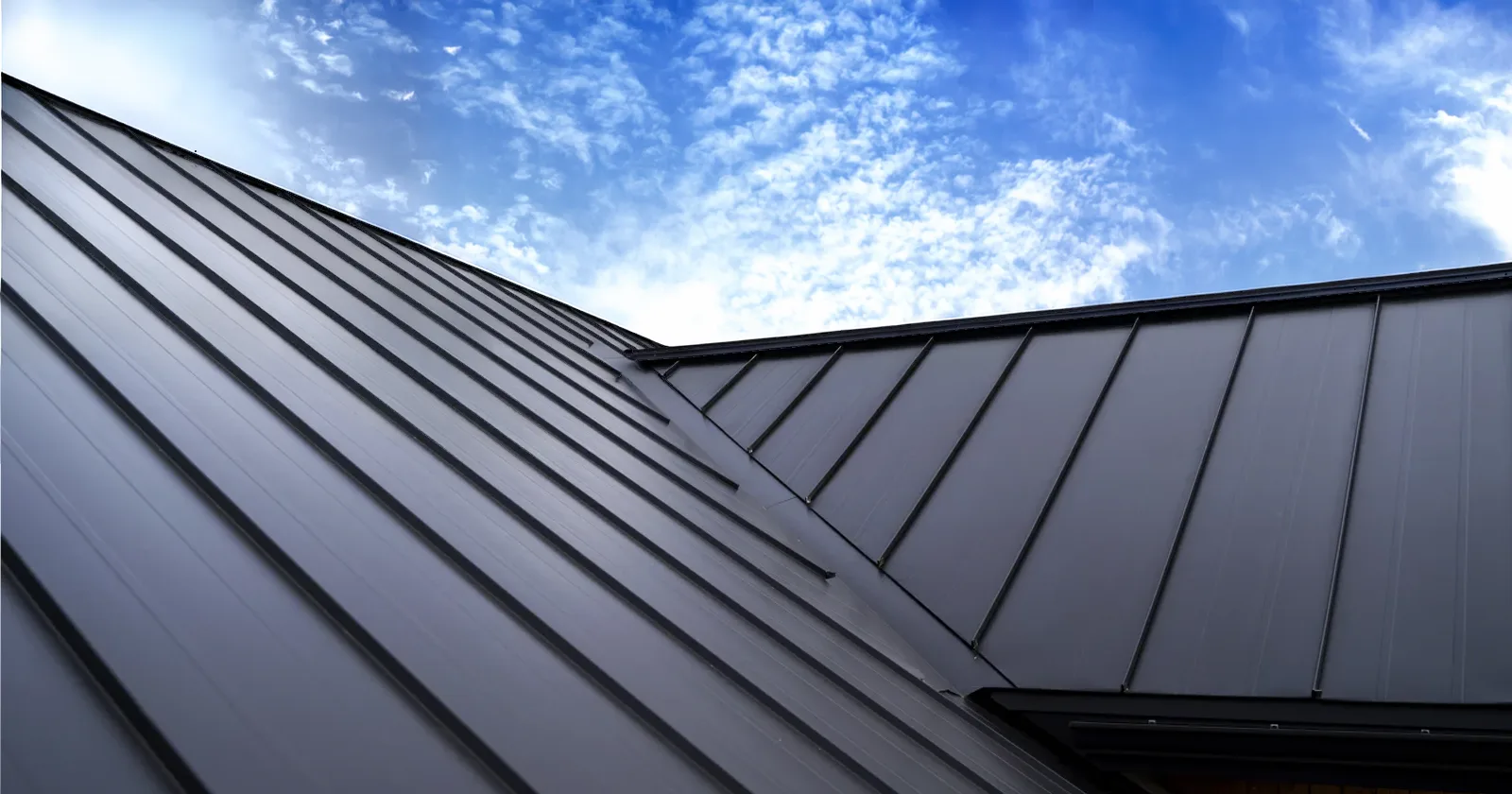
A metal roof valley is the inside corner where two roof planes meet, and it carries more water than any other spot on the roof. Every drop that lands on both slopes funnels into that one line. Get the valley right and it’ll shed rain and snowmelt for decades. Get it wrong and it’s the first place a metal roof leaks.
Here’s how one is built, what each layer does, and the mistakes worth avoiding, especially under Pacific Northwest snow.
What a metal roof valley is
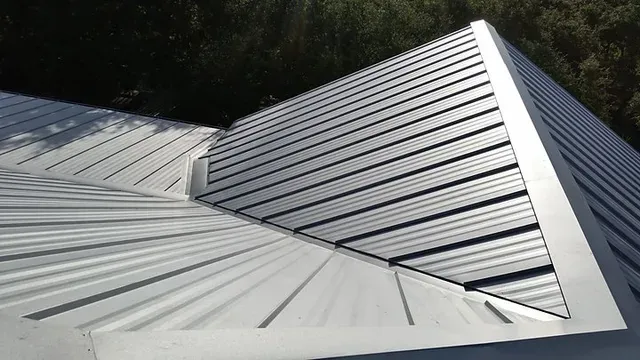
Any roof with more than one plane has valleys: an L-shaped house, a dormer, or a barndominium with a garage wing. On a shingle roof, the shingles can weave through the valley. Steel panels can’t bend that way, so a metal roof uses an open valley. A formed piece of valley trim runs down the inside corner, and the panels on each side stop short of its center and lap over it.
The layers of a metal roof valley
1. Ice and water membrane
This is the backup layer. A self-adhered, high-temperature membrane goes down the full length of the valley before any metal. If water ever gets past the trim, the membrane stops it at the deck. Our guide to ice and water shield under a metal roof covers where else it belongs.
2. Underlayment
Standard metal roofing underlayment covers the rest of the deck and laps onto the membrane so water always runs over a seam, not into it.
3. Valley trim
The valley trim, sometimes called a valley pan or W-valley, is the metal channel the water rides down. Many have a raised center rib that keeps a heavy flow off one slope from washing across and up under the panels on the other side. It’s fastened along its outer edges, never through the middle where the water runs. We bend valley trim from the same painted coil as your panels, so it matches the roof.
4. Panels and closures
The panels are cut to follow the valley line and held back from the center so water has a clear channel. On exposed-fastener panels, closures and sealant fill the ribs where they meet the trim. On standing seam, the panel ends are typically hemmed and hooked over a cleat or Z-closure so the panels can still move with temperature. Details vary by profile, so follow the valley detail for your specific panel.
Why metal roof valleys matter more in snow country
Valleys are where snow and ice pile up. Snow slides off two slopes into the same corner, and melt from a warm attic can refreeze there. That’s why the membrane runs the full length of the valley and why valleys deserve extra attention in a heavy-snow climate. If sliding snow is a worry over walkways or doors, our piece on snow guards for metal roofs covers when they help.
Common metal roof valley mistakes
-
Screws through the valley center. Every fastener in the water path is a future leak.
-
Panels cut too close to the center. Debris and ice catch on the cut edges, and water backs up under them.
-
Skipping the membrane. The trim is the first line of defense, not the only one.
-
Open panel ends. Unclosed ribs at the valley let wind-driven rain and snow in.
-
Mismatched trim. A valley bent from different coil than the panels can stand out and age differently.
When you’re checking a finished roof, our guide to evaluating metal roof installation quality walks through what to look for at valleys and other edges. For industry guidance on metal roof details, the Metal Construction Association is a good place to start.
FAQ
What’s the difference between an open and a closed valley?
A closed valley weaves or overlaps the roofing across the corner, which works with shingles. Metal roofs use an open valley, where the trim stays exposed and the panels stop on each side.
Can I order valley trim with my panels?
Yes. We roll the panels and bend the trim, valley trim included, in matching colors. Tell us how many valleys you have and how long they are when you request a quote.
How do I measure a valley?
Measure along the valley itself, not the flat run. A valley cuts diagonally across both slopes, so it’s longer than the rafter it sits beside. Our guide to figuring metal roofing covers trim takeoffs.
The bottom line
A metal roof valley is the hardest working line on your roof. Run membrane the full length, use proper valley trim fastened only at its edges, keep the panels back from the center, and close off the panel ends. If you’re still choosing panels, start with what type of metal roof is best for your building, then give us a call and we’ll quote the valley trim to match.
Get a Quote
Find the Best Panel for Your Next Project
Fill out the form below and our team will get back to you within 24 hours with pricing and availability.
E-mail
sales@metalamerica.com
Phone number
855-638-2587