
First Published: October 22, 2026 Last Update: October 22, 2026
If you’re weighing home siding options, the honest answer is that there isn’t one best material. There’s a best material for your climate, your budget, and how much upkeep you’re willing to take on. Vinyl is cheap up front, wood looks great until it needs paint again, fiber cement is tough but heavy, and steel holds its factory finish for decades and won’t burn.
Here’s a plain-English breakdown of the main home siding options, how each one holds up in a Pacific Northwest climate, and how to pick between them. No sales pitch, just the information you need.
The main home siding options at a glance
|
Material |
Upkeep |
Fire |
Cold and moisture |
Look |
|---|---|---|---|---|
|
Vinyl |
Low. Wash it now and then. |
Combustible. Can melt and warp near heat. |
Can turn brittle and crack in hard cold. |
Lap and shake styles in a wide range of colors. |
|
Wood |
High. Paint or stain on a regular cycle. |
Combustible. |
Can rot, cup, and draw insects if water gets in. |
Real grain, the look a lot of people are chasing. |
|
Engineered wood |
Moderate. Comes primed or prefinished and needs repainting. |
Combustible. |
Better than solid wood, but cut edges have to stay sealed. |
Wood-like lap and panel styles. |
|
Fiber cement |
Moderate. Needs repainting over time. |
Close to non combustible. |
Holds up well once it’s sealed and painted. |
Lap, shingle, and panel styles. Heavy to install. |
|
Steel |
Low. Factory paint, an occasional wash. |
Non combustible. |
Doesn’t rot, swell, or feed insects. |
Board & Batten, Shiplap, Double Lap, Flush Wall, solid colors and wood-look prints. |
|
Brick, stone, stucco |
Low to moderate. |
Non combustible. |
Stucco can crack through freeze and thaw if it isn’t detailed well. |
Masonry look. Heavy, and the wall has to be built to carry it. |
If you’re mainly deciding between the three most common materials for a house, our head-to-head on metal siding vs wood siding vs fiber cement goes deeper on those three.
Vinyl siding
Vinyl is the budget pick, and it’s popular for a reason: it goes up fast and it never needs paint. The tradeoffs show up over time. It can get brittle in a hard freeze and crack when something hits it, and it softens and warps near heat, whether that’s a grill on the deck or a wildfire. Once the color fades, you can’t easily bring it back.
Wood siding
Nothing looks quite like real cedar, and plenty of people choose wood for that alone. The cost is maintenance. Wood needs paint or stain on a regular schedule, and in the Northwest’s long wet seasons any spot where water sits will start to rot. It’s also combustible, which matters more every year in the Inland Northwest.
Engineered wood siding
Engineered wood, like LP SmartSide, binds wood strands or fibers with resins and treatments that help it resist moisture and insects. It’s lighter and easier to cut than fiber cement and looks a lot like painted wood. It still needs repainting, and the cut ends and edges have to stay sealed or water will find its way in.
Fiber cement siding
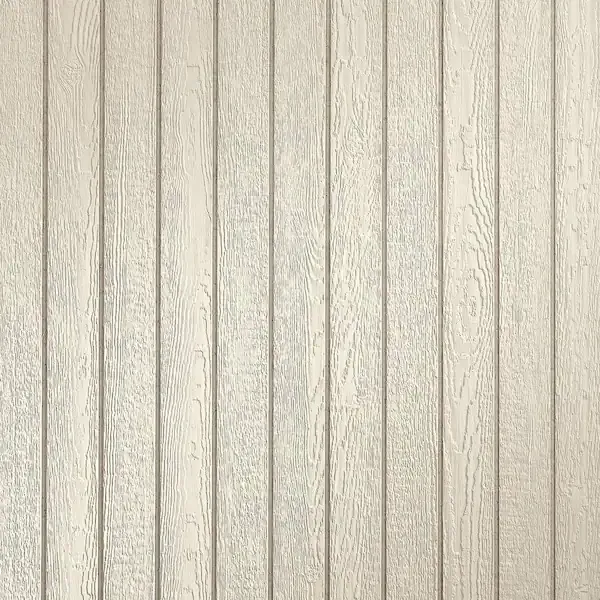
Fiber cement is a mix of cement, sand, and cellulose fiber. It’s tough, it holds paint well, and it sits close to non combustible. It’s also heavy, it takes special tools and dust control to cut, and it needs repainting over its life. It’s a solid choice if you want a painted lap look and you’re fine with that upkeep.
Steel siding
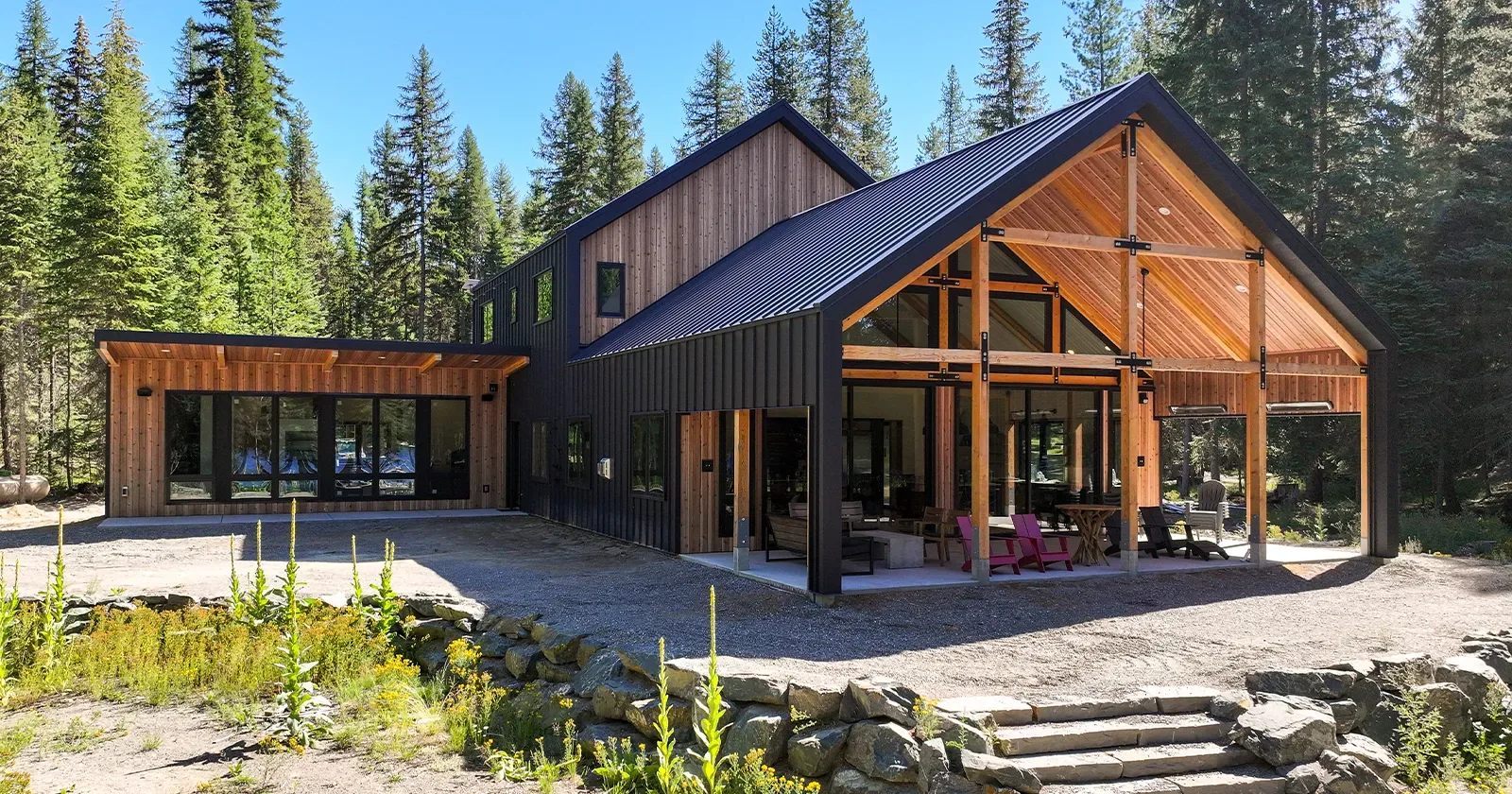
Steel siding has come a long way from the corrugated barn wall. Metal America panels roll-form into profiles made for houses: Board & Batten for the farmhouse look, Shiplap and Double Lap for a traditional lap line, and Flush Wall for a clean modern face. You can choose from 44+ solid colors or wood-look prints like Smooth Cedar, Barnwood, and Rough Cedar Gray. Our wood look metal panels guide shows the full range.
Steel doesn’t rot, swell, crack in the cold, or give insects anything to eat. It’s non combustible, and our 26 and 29 gauge stock colors carry Sherwin-Williams WeatherXL SMP paint with a 40-year paint warranty. The tradeoffs: it can dent from a hard hit, and the upfront cost is higher than vinyl. Our guide to steel siding for houses covers profiles and finishes in more detail, and if you’re weighing aluminum instead, here’s how aluminum siding compares.
Brick, stone, and stucco
Masonry and stucco are non combustible and last a long time. They’re also heavy, slow to install, and usually used as an accent or on part of a wall. Stucco needs careful detailing in a freeze and thaw climate or it’ll crack. Plenty of homes pair a stone wainscot with a lighter material above it.
How to choose between home siding options
Start with your climate
In the Pacific Northwest the big three are moisture, cold, and fire. West of the Cascades, long wet seasons punish anything that can rot. East of the Cascades and across north Idaho, hard freezes and wildfire season both matter. If you’re in wildfire country, put fire resistance near the top of your list. Ready.gov’s wildfire guidance and our breakdown of non combustible siding are good places to start.
Be honest about upkeep
Wood, engineered wood, and fiber cement all need paint on a cycle. Vinyl and steel don’t. If you’d rather spend weekends on something other than a ladder, that narrows the field fast.
Compare cost over the life of the wall
The cheapest siding to buy isn’t always the cheapest to own. Add up repainting, repairs, and how long each material lasts before you compare quotes.
Pick the look, then the material
Most looks are available in more than one material now. If you want board and batten, for example, you can get it in wood, fiber cement, or steel. Our guide to board and batten metal siding shows how the steel version is built.
FAQ
What is the lowest maintenance siding option?
Steel and vinyl need the least work. Neither needs paint. Steel also won’t crack in the cold or melt near heat, which is why it tends to hold up better over the long run.
What siding is best for a cold, snowy climate?
Look for a material that won’t absorb water or get brittle in a freeze. Steel and well-sealed fiber cement both handle cold well. Vinyl can crack, and wood needs to stay sealed.
Does metal siding make a house look like a barn?
Not anymore. Profiles like Shiplap and Board & Batten, plus wood-look prints, read as residential siding from the street.
Can you mix siding materials on one house?
Yes, and it’s common. A stone or steel wainscot under a lap or board and batten wall is a popular combination.
Bottom line
The right choice among home siding options comes down to climate, upkeep, and the look you want. If you want low maintenance, real fire resistance, and a finish that holds its color, steel is worth a close look. Request free color samples to see the finishes in person, or give us a call and we’ll help you price your project.
Get a Quote
Find the Best Panel for Your Next Project
Fill out the form below and our team will get back to you within 24 hours with pricing and availability.
E-mail
sales@metalamerica.com
Phone number
855-638-2587